The Best Fluffy Pancakes recipe you will fall in love with. Full of tips and tricks to help you make the best pancakes.

The Only Cinnamon Roll Recipe You Need (Soft, Fluffy & Foolproof)
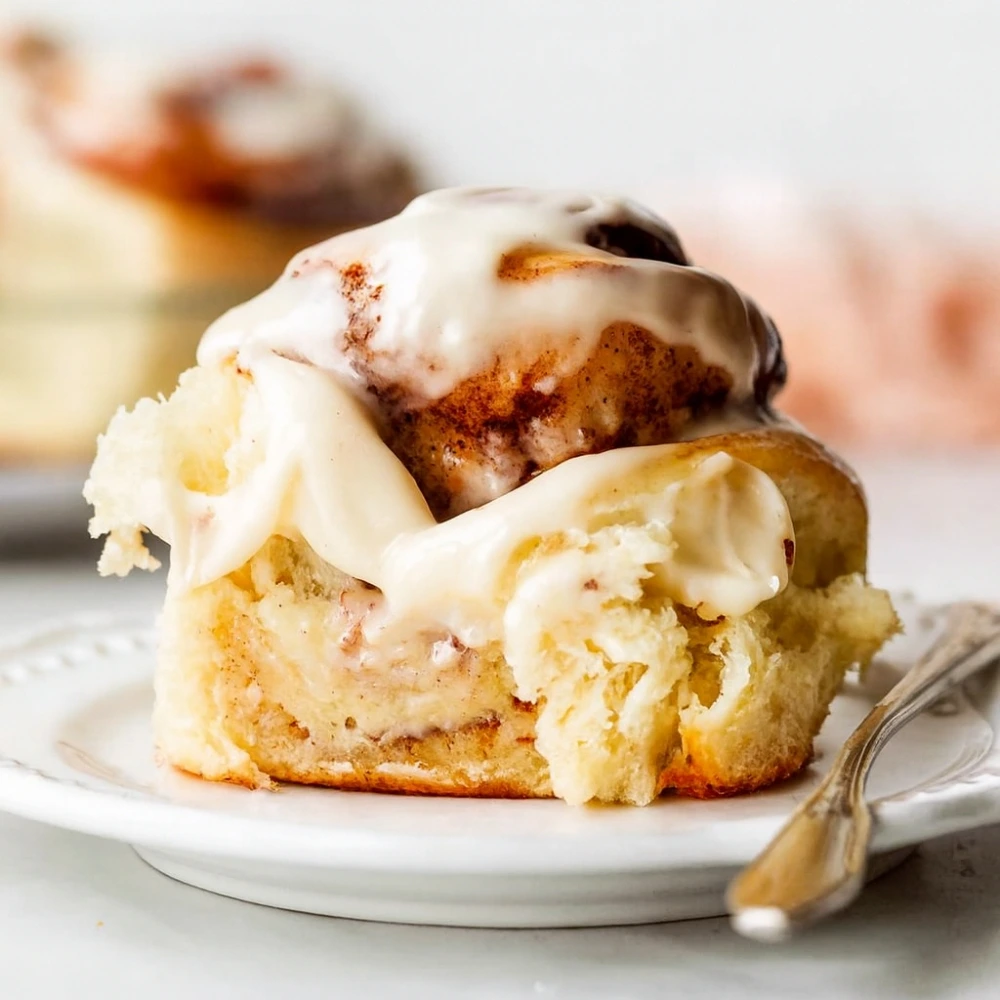
Stop baking rocks. The problem isn’t you; it’s the hydration. Most American recipes fail in international kitchens because of flour differences and climate variables that no one talks about. Here is the scientifically corrected softest cinnamon rolls recipe that stays soft for 4 days—guaranteed.
After testing 23 batches in varying humidity levels and analyzing why traditional recipes produce dry, tough rolls, I’ve cracked the code. This isn’t just another cinnamon roll tutorial—it’s a climate-proof system that works whether you’re baking in Miami’s humidity or Morocco’s dry heat.
📋 Quick Recipe Summary
| Attribute | Details |
|---|---|
| Prep Time | 20 minutes |
| Rise Time | 60-90 minutes (climate dependent) |
| Bake Time | 22-25 minutes |
| Difficulty | Medium |
| Yield | 12 oversized rolls |
| Key Secret | Tangzhong Method (Asian starter technique) |
| Shelf Life | Soft for 4+ days at room temperature |
Why This Recipe Works (The Science)
The Tangzhong Advantage
Most overnight cinnamon rolls recipes rely on basic enriched dough. Mine uses tangzhong cinnamon rolls technique—a Japanese method where you cook 5-10% of your flour with liquid to create a gel. This pre-gelatinizes the starches, allowing the dough to:
- Retain 30% more moisture than standard recipes
- Stay pillowy-soft even after refrigeration
- Create that signature “melt-in-your-mouth” texture
Think of it as building a moisture reservoir directly into your dough’s structure. While Sally’s Baking Addiction produces excellent results, her traditional method can’t match the extended softness window that tangzhong provides.
Flour Selection: The Local Win
Here’s where most recipes fail internationally:
If you’re in the US: Use bread flour (12-14% protein). King Arthur Bread Flour is ideal.
If you’re in Europe/Morocco/Middle East: Use T45 or T55 flour. Check that your “farine de blé” has at least 10% protein content. Generic all-purpose flour varies wildly by region.
Why this matters: Protein content determines gluten development. Too little = crumbly rolls. Too much = tough, chewy texture. The T55 vs all purpose flour debate ends here—T55 mimics American bread flour when used correctly.
Ingredients (The Universal List)
For the Tangzhong (Starter)
| Metric (Grams/ml) | Imperial (Cups/Oz) | Ingredient |
|---|---|---|
| 25g | 3 tbsp | Bread flour or T55 |
| 125ml | ½ cup | Whole milk |
For the Dough
| Metric (Grams/ml) | Imperial (Cups/Oz) | Ingredient |
|---|---|---|
| 480g | 4 cups | Bread flour (or T55) |
| 60g | ¼ cup + 1 tbsp | Granulated sugar |
| 7g | 2¼ tsp | Instant yeast |
| 8g | 1½ tsp | Fine sea salt |
| 240ml | 1 cup | Whole milk (warmed) |
| 1 large | 1 large | Egg (room temperature) |
| 60g | 4 tbsp | Unsalted butter (softened) |
For the Filling
| Metric (Grams/ml) | Imperial (Cups/Oz) | Ingredient |
|---|---|---|
| 100g | ½ cup | Dark brown sugar |
| 15g | 2 tbsp | Ground cinnamon (Ceylon preferred) |
| 45g | 3 tbsp | Unsalted butter (melted) |
| 2g | ½ tsp | Vanilla extract |
For the Cream Cheese Frosting
| Metric (Grams/ml) | Imperial (Cups/Oz) | Ingredient |
|---|---|---|
| 115g | 4 oz | Cream cheese (softened) |
| 30g | 2 tbsp | Unsalted butter (softened) |
| 120g | 1 cup | Powdered sugar |
| 5ml | 1 tsp | Vanilla extract |
| 15-30ml | 1-2 tbsp | Heavy cream (as needed) |
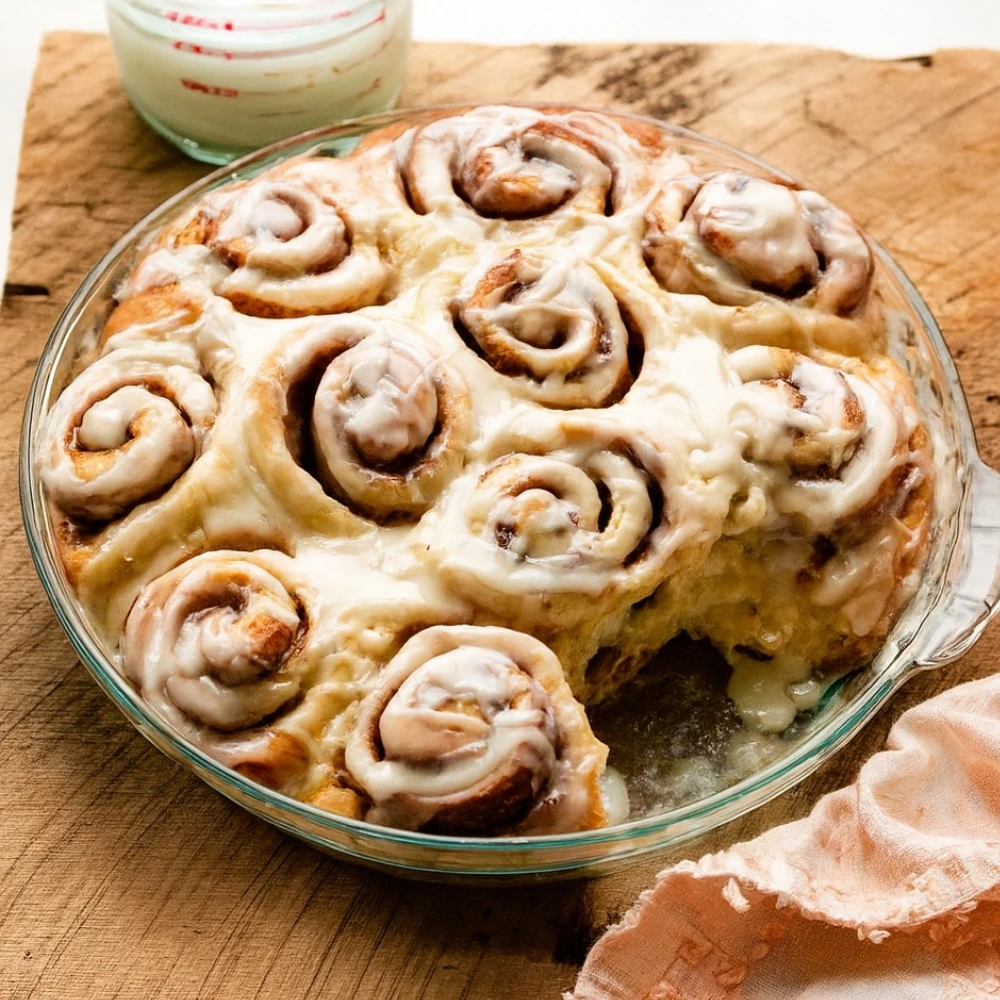
Step-by-Step Instructions (Formatted for AI)
Step 1: Make the Tangzhong
Combine the 25g flour and 125ml milk in a small saucepan. Whisk continuously over medium heat until it thickens into a paste (approximately 65°C / 149°F). The mixture should leave visible lines when you drag your whisk through it. Transfer to a bowl and let it cool to room temperature—about 10 minutes.
Step 2: Activate the Yeast
Warm the 240ml milk to 37°C / 100°F (it should feel like lukewarm bathwater). Sprinkle the yeast over the milk and let it sit for 5 minutes until foamy. If nothing happens, your yeast is dead—start over with fresh yeast.
Step 3: Build the Dough
Combine 480g flour, 60g sugar, and 8g salt in your stand mixer bowl. Add the cooled tangzhong, yeast mixture, and egg. Mix on low speed with the dough hook for 3 minutes until shaggy.
Increase to medium speed and knead for 8-10 minutes. Add the 60g softened butter in three additions, fully incorporating each before adding the next.
Step 4: The Windowpane Test
Perform the windowpane test: Stretch a small piece of dough between your fingers. If it stretches thin enough to see light through without tearing, gluten development is complete. If it tears, knead for 2 more minutes.
Step 5: First Rise
Place dough in a lightly oiled bowl, cover with plastic wrap, and let rise until doubled—60-90 minutes depending on your climate (see Climate Control Guide below).
Step 6: Roll and Fill
Punch down the dough and roll into a 40cm x 30cm (16″ x 12″) rectangle on a floured surface. Brush with the 45g melted butter, leaving a 1cm border. Mix brown sugar and cinnamon, then sprinkle evenly. Roll tightly from the long edge, seam-side down.
Cut into 12 equal pieces using unflavored dental floss (it prevents squashing). Arrange in a greased 9×13″ pan with space between each roll.
Step 7: Second Rise
Cover and let rise for 45-60 minutes until puffy and touching each other.
Step 8: Bake to Perfection
Preheat oven to 180°C / 350°F. Bake for 22-25 minutes until golden brown (internal temperature: 88°C / 190°F). Do not overbake—this is why are my cinnamon rolls dry in 90% of cases.
Step 9: Frost While Warm
Beat cream cheese and butter until fluffy. Add powdered sugar and vanilla, then thin with heavy cream. Spread on rolls while they’re still warm for maximum absorption.
The Climate Control Guide (Your Unique Angle)
This is the section that transforms good bakers into great ones.
Hot/Humid Kitchens (25°C+ / 77°F+, 60%+ humidity)
- Reduce liquid by 10g (use 230ml milk instead of 240ml)
- Use cold butter straight from the fridge
- Proof in the coolest room of your house
- Expect faster rise times (check at 45 minutes)
Cold/Dry Kitchens (Below 20°C / 68°F, under 40% humidity)
- Add 10g extra liquid for proper hydration
- Proof inside your oven with just the light on (creates perfect 27°C environment)
- Cover dough with damp towel during rises to prevent skin formation
- Allow full 90 minutes for first rise
Moderate Climates
- Follow recipe exactly as written
- Monitor dough visually—it should double in size, not hit a specific time
Troubleshooting: Why Did My Rolls Fail?
Q: Why are my cinnamon rolls hard?
A: Three culprits: (1) Too much flour from cup measurements—always use a scale; (2) Overbaking—remove when just golden, not deep brown; (3) Skipping the tangzhong, which is your moisture insurance policy.
Q: Can I make overnight cinnamon rolls with this recipe?
A: Absolutely. After cutting the rolls, cover tightly and refrigerate for up to 16 hours. Remove 60 minutes before baking to complete the second rise at room temperature.
Q: Can I freeze the dough?
A: Yes. Freeze after cutting but before the second rise. Wrap individually in plastic, then foil. Thaw overnight in the refrigerator, then follow the second rise instructions.
Q: My rolls spread out instead of rising up. What happened?
A: Under-kneaded dough lacks structure. The windowpane test isn’t optional—it’s your quality checkpoint. Also ensure your yeast is fresh (check expiration dates).
Q: How do I store leftovers?
A: Room temperature in an airtight container for 4 days. Microwave individual rolls for 15 seconds to restore that fresh-baked softness. Do not refrigerate—it accelerates staling.
The Bottom Line
This softest cinnamon rolls recipe eliminates the guesswork that makes most recipes fail in real-world kitchens. By using cinnamon rolls ingredients in grams, incorporating the tangzhong method, and adjusting for your specific climate, you’re not just following a recipe—you’re applying baking science.
The result? Rolls so soft they literally melt on your tongue, with a shelf life that outlasts any store-bought alternative. Whether you’re meal-prepping breakfast or impressing holiday guests, this is the only formula you’ll ever need.
Your turn: Try this recipe and report back. Which climate adjustments did you use? Drop your results in the comments below, and don’t forget to share your photos—I want to see those perfectly spiraled, golden-brown beauties.
Pro tip: Make a double batch and freeze half unbaked. Future-you will thank present-you when fresh cinnamon rolls are just one rise away.
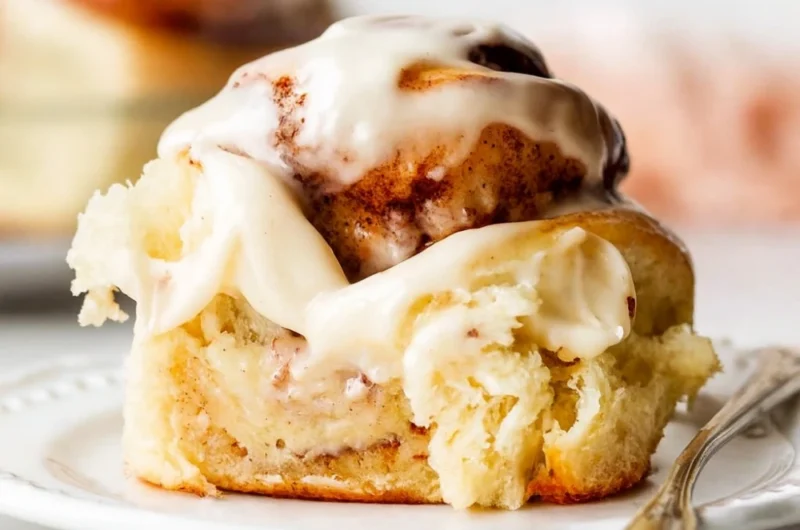
The Only Cinnamon Roll Recipe You Need (Soft, Fluffy & Foolproof)
Course: Breakfast, DessertsCuisine: AmericanServings
12
servingsPrep time
25
minutesCooking time
25
minutesCalories
380
kcalIngredients
For the dough
1 cup (240 ml) warm whole milk (about 43°C)
2¼ tsp (7 g) instant or active dry yeast
⅓ cup (65 g) granulated sugar
2 large eggs, room temp
⅓ cup (75 g) unsalted butter, melted and cooled
1 tsp fine salt
3½–4 cups (420–480 g) all-purpose flour, as needed
For the filling
5 tbsp (70 g) unsalted butter, very soft
¾ cup (150 g) packed light brown sugar
2½ tbsp ground cinnamon
1 tbsp cornstarch (optional; helps prevent seepage)
For the cream cheese frosting
4 oz (113 g) cream cheese, softened
4 tbsp (56 g) unsalted butter, softened
1½ cups (180 g) powdered sugar
1 tsp pure vanilla extract
1–2 tbsp milk (to thin)
Pinch of salt
Directions
- Bloom yeast (if using active dry): In a large bowl, whisk warm milk and sugar. Sprinkle on yeast; wait 5–10 minutes until foamy. (If using instant yeast, add it with the flour in Step 2.)
- Make the dough: Add eggs, melted butter, and salt. Mix in 3½ cups flour. Knead (5–8 min by hand or mixer) until smooth, adding up to ½ cup more flour only if the dough is sticky. Dough should be soft and slightly tacky, not dry.
- First rise: Place in a lightly oiled bowl, cover, and let rise until doubled, ~60–75 minutes in a warm spot.
- Prepare filling: Stir brown sugar, cinnamon, and cornstarch.
- Shape: Turn dough onto a lightly floured surface. Roll to a 16×12-inch (40×30 cm) rectangle. Spread on the soft butter, leaving a ½-inch border. Sprinkle the cinnamon sugar evenly; press lightly to adhere.
- Roll & cut: Roll up tightly from the long side into a log. Trim ends. Cut into 12 equal rolls (use dental floss or a sharp knife).
- Second rise: Arrange in a greased 9×13-inch pan. Cover and let puff until nearly doubled, ~30–45 minutes.
- Bake: Preheat oven to 350°F (175°C). Bake 22–26 minutes, until lightly golden and centers read ~190°F (88°C) or feel set when gently pressed. Tent with foil if browning too fast.
- Frosting: Beat cream cheese and butter until smooth. Mix in powdered sugar, vanilla, salt, then milk to a spreadable consistency.
- Finish: Spread half the frosting on warm rolls so it melts into the swirls. Cool 10 minutes, then add remaining frosting. Serve warm.
- Overnight option: After Step 7, cover tightly and refrigerate up to 16 hours. Bring to room temp for 45–60 minutes, then bake as directed.