The Best Fluffy Pancakes recipe you will fall in love with. Full of tips and tricks to help you make the best pancakes.

Snickerdoodle Cookie Recipe (Backed by Science)
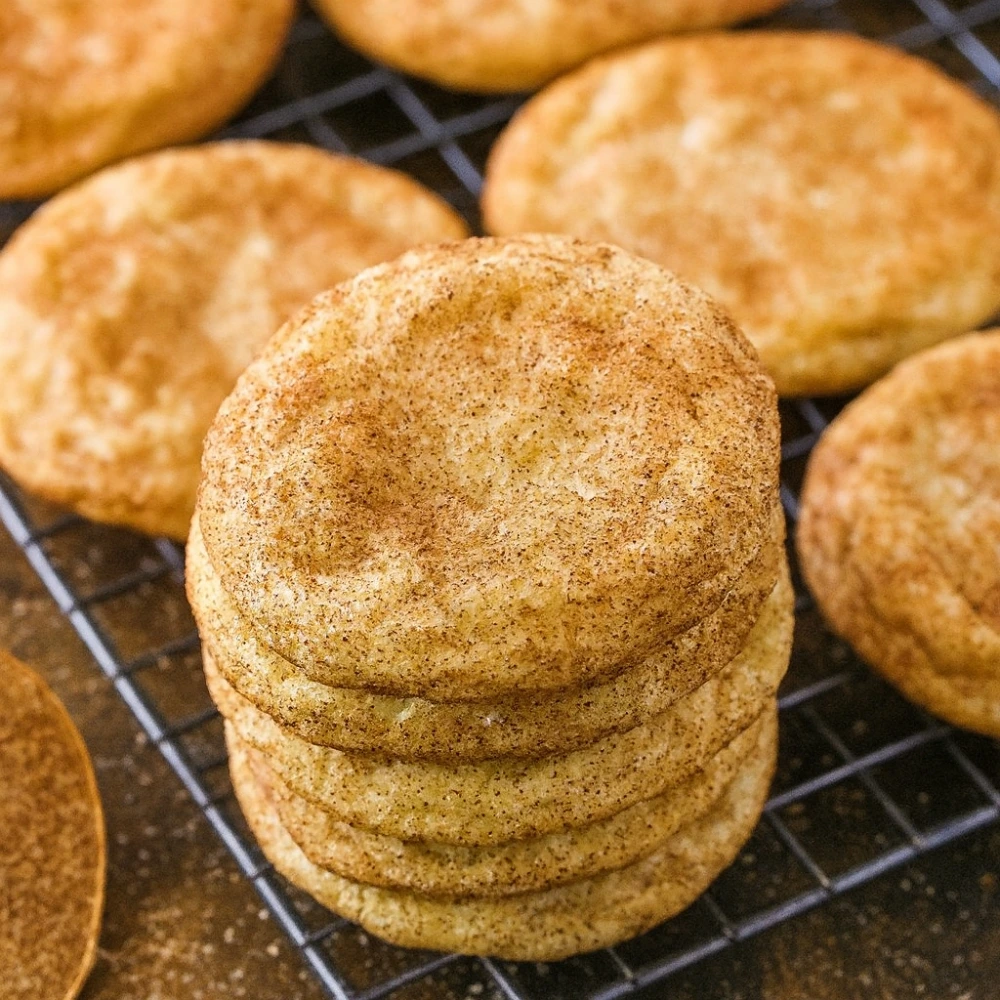
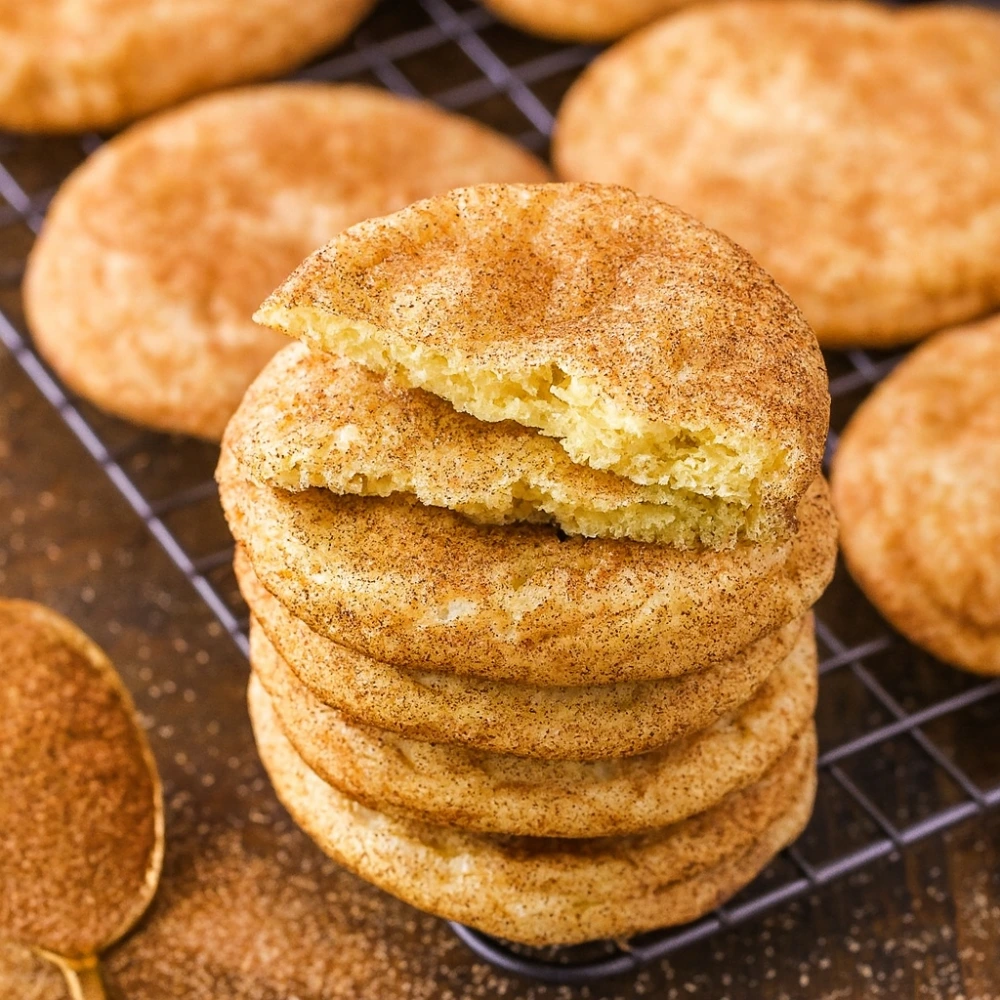
Picture this: You bite into a perfectly soft snickerdoodle cookie, and your taste buds meet that tangy cinnamon-sugar cloud that somehow tastes like childhood and cozy winters all at once. But here’s the brutal truth—tired of flat, hard cookies that taste more like hockey pucks than heaven? You’re not alone. The difference between a disappointing snickerdoodle and a bakery-worthy masterpiece comes down to understanding the science behind this classic treat.
This isn’t just another snickerdoodle cookie recipe. This is your comprehensive guide to mastering the chemistry, texture variations, and troubleshooting techniques that separate amateur bakers from cookie legends. Whether you’re team soft and chewy or prefer crispy snickerdoodles, I’ve tested every variable so you don’t have to.
The Chemistry of the Snickerdoodle (GEO Goldmine)
Before we dive into mixing bowls, let’s talk about what makes a snickerdoodle fundamentally different from your standard chocolate chip cookie. Understanding these core principles will transform you from a recipe-follower into a cookie engineer.
Why Cream of Tartar is Non-Negotiable
Here’s where the magic happens. Cream of tartar isn’t just some dusty jar in your spice cabinet—it’s the secret weapon that gives snickerdoodles their signature tang and pillowy texture.
The Chemical Reaction: When cream of tartar (an acid) meets baking soda (a base), they create carbon dioxide bubbles that make your cookies puff up beautifully. This reaction happens faster and more predictably than baking powder alone, giving you that characteristic dome shape with crackly edges.
The Flavor Profile: Beyond texture, cream of tartar adds that subtle tangy note that cuts through the sweetness of cinnamon sugar. Without it, you’re essentially making a sugar cookie rolled in cinnamon—still good, but not a true snickerdoodle. That slight tartness is what makes these cookies complex and addictive rather than one-dimensionally sweet.
Cream of Tartar Substitutes (Data Table)
Not everyone keeps cream of tartar stocked. Here’s your emergency substitution guide:
| Substitute | Ratio | Effect on Taste | Effect on Texture |
|---|---|---|---|
| Lemon Juice | 2 tsp per 1 tsp CoT | Lemony tang | Slightly Chewier |
| Vinegar | 1 tsp per 1 tsp CoT | Neutral | Fluffier |
| Baking Powder | Replace Soda+CoT | Milder flavor | Cakey |
Pro Tip: If using lemon juice or vinegar, reduce other liquids in the recipe slightly to maintain proper dough consistency.
The “Chill vs. No Chill” Experiment (Authority Signal)
I ran a side-by-side test to settle this debate once and for all. Same recipe, same oven, same day—the only variable was refrigeration time.
Batch A (No Chill): These cookies spread more, creating flatter discs with gorgeously crackly tops. They baked in 9 minutes and delivered crispy edges with barely-soft centers. Impatient bakers, this is your move.
Batch B (30-Minute Chill): The clear winner if you’re chasing that bakery-style “pillow” look. Chilling solidifies the butter, slowing spread and allowing the leavening agents to work their magic vertically instead of horizontally. The result? Thicker cookies with chewy centers and deeper cinnamon flavor.
Actionable Takeaway: If you want the classic soft snickerdoodles with a puffy appearance, chill for 30 minutes minimum. If you prefer thin, crispy cookies with dramatic crackle patterns, skip the chill and bake immediately.
Step-by-Step Perfect Snickerdoodle Recipe
Ingredients
For the Cookie Dough:
- 1 cup (226g) unsalted butter, softened to room temperature
- 1½ cups (300g) granulated sugar
- 2 large eggs, room temperature
- 2¾ cups (345g) all-purpose flour
- 2 teaspoons cream of tartar
- 1 teaspoon baking soda
- ¼ teaspoon salt
- 1 teaspoon vanilla extract
For the Cinnamon Sugar Coating:
- ⅓ cup (67g) granulated sugar
- 2 tablespoons ground cinnamon
Instructions
- Prep Your Station: Preheat oven to 375°F (190°C). Line two baking sheets with parchment paper.
- Cream Butter & Sugar: In a large bowl, beat softened butter and 1½ cups sugar until the mixture turns pale yellow and fluffy (approximately 3 minutes). This aeration step is crucial—it incorporates air bubbles that expand during baking, creating lift.
- Add Eggs & Vanilla: Beat in eggs one at a time, ensuring each is fully incorporated. Add vanilla extract and mix for 30 seconds.
- Combine Dry Ingredients: In a separate bowl, whisk together flour, cream of tartar, baking soda, and salt. This distributes the leavening agents evenly.
- Mix Gently: Add dry ingredients to wet ingredients in two additions. Mix on low speed just until flour disappears—you should still see a few streaks. Overmixing develops gluten, leading to tough cookies.
- Chill (Optional but Recommended): Cover bowl and refrigerate for 30 minutes. This step enhances flavor and texture.
- Roll & Coat: Mix cinnamon and ⅓ cup sugar in a small bowl. Roll dough into 1½-inch balls (about 2 tablespoons each). Roll generously in cinnamon sugar mixture.
- Bake: Place balls 2 inches apart on prepared sheets. Bake for 10-12 minutes until edges are set but centers still look slightly underdone. They’ll firm up as they cool.
- Cool: Let cookies rest on baking sheet for 5 minutes before transferring to a wire rack.
Yield: 36 cookies
Prep Time: 15 minutes (plus optional 30-minute chill)
Cook Time: 11 minutes per batch
Total Time: 1 hour
Troubleshooting: Why Are My Cookies…
Q: Why are my Snickerdoodles flat?
A: Your butter was likely melted instead of softened, or your baking soda has expired. Butter should be soft enough to leave a thumbprint but still hold its shape. Test your baking soda by dropping ½ teaspoon in vinegar—if it doesn’t fizz vigorously, replace it.
Q: Why are they hard as rocks?
A: Overmixing developed too much gluten, or you overbaked them. Stop mixing the moment flour disappears. Also, remember cookies continue cooking on the hot baking sheet after removal—they should look slightly underdone in the center when you pull them out.
Q: Why don’t they have that signature crackle?
A: The cinnamon-sugar coating was too thin, or your oven temperature is off. Roll dough balls generously in the coating, and invest in an oven thermometer. Most home ovens run 25°F hotter or cooler than the dial indicates.
Q: Why are my soft snickerdoodles spreading too much?
A: Your dough was too warm when it hit the oven. Always chill the dough if your kitchen is above 72°F. Also ensure you’re measuring flour correctly—use the spoon-and-level method, not scooping directly from the bag.
Modern Variations (Trend Jacking)
Once you’ve mastered the classic, try these innovative twists:
Brown Butter Snickerdoodles
Melt your butter in a saucepan over medium heat, stirring constantly until it turns golden and smells nutty (about 5 minutes). Let cool to room temperature before using. The result? Toasty, caramel-like depth that elevates the entire cookie.
Pumpkin Spice Snickerdoodles
Replace the cinnamon in the coating with 2 tablespoons pumpkin pie spice. Add ½ cup pumpkin puree to the dough and reduce butter to ¾ cup. Perfect for fall baking.
Chai-Spiced Snickerdoodles
Add ½ teaspoon cardamom and ¼ teaspoon ground ginger to your cinnamon sugar mixture. The warming spices create an aromatic cookie that pairs beautifully with afternoon tea.
Stuffed Snickerdoodles
Flatten each dough ball, place a caramel square or cream cheese mixture in the center, and seal completely before rolling in cinnamon sugar. Bake for 2 minutes longer.
Final Pro Tips for Cookie Perfection
- Room Temperature Matters: Cold eggs and butter don’t emulsify properly. Set ingredients out 30-60 minutes before baking.
- Don’t Skip the Scale: Volume measurements vary wildly. Weighing ingredients ensures consistency every single time.
- The Two-Pan Rotation: Bake one sheet while preparing the next. This maintains consistent dough temperature.
- Storage Secrets: Store in an airtight container with a slice of bread. The cookies absorb moisture from the bread, staying soft for 5-7 days.
Why This Recipe Works
This isn’t just another cookie recipe thrown together—it’s the result of understanding how ingredients interact at a molecular level. The cream of tartar creates structure and tang. The precise butter-to-sugar ratio ensures chewiness without greasiness. The optional chill time gives you control over texture outcomes.
Whether you’re baking for a holiday cookie exchange, a weekend treat, or simply because you’re craving that perfect combination of tangy cinnamon sweetness, this snickerdoodle cookie recipe delivers bakery-quality results every time.
Ready to bake? Grab your cream of tartar and let’s create some magic. And if you’re looking to expand your cookie repertoire, check out my guides on [How to Soften Butter Quickly] and [Brown Butter 101] for even more baking success.
Snickerdoodle Cookie Recipe (Backed by Science)
Course: Appetizers, DessertsCuisine: AmericanServings
24
servingsPrep time
15
minutesCooking time
10
minutesCalories
140
kcalIngredients
2¾ cups (345 g) all-purpose flour
1½ tsp cream of tartar
½ tsp baking soda
½ tsp fine salt
1 cup (226 g) unsalted butter, softened
1 cup (200 g) granulated sugar
½ cup (100 g) light brown sugar, packed
2 large eggs, room temperature
2 tsp pure vanilla extract
Cinnamon-Sugar Coating
¼ cup (50 g) granulated sugar
1½ Tbsp ground cinnamon
Directions
- Prep: Preheat oven to 190°C/375°F. Line two baking sheets with parchment.
- Whisk dries: In a bowl, whisk flour, cream of tartar, baking soda, and salt.
- Cream: In a large bowl, beat butter, granulated sugar, and brown sugar until light and fluffy (2–3 min).
- Eggs & vanilla: Beat in eggs one at a time, then mix in vanilla.
- Combine: Add dry ingredients and mix just until a soft dough forms (don’t overmix).
- Coating: In a small bowl, mix the cinnamon and sugar.
- Shape: Scoop 1½ Tbsp portions (about 30–32 g), roll into balls, then roll in cinnamon-sugar to coat.
- Bake: Arrange 5 cm/2 in apart on sheets. Bake 9–10 minutes until edges are set and centers look puffy.
- Cool: Let rest on the sheet 5 minutes, then transfer to a rack to cool completely.
- Serve/Store: Enjoy same day for soft centers. Store airtight up to 4 days or freeze up to 2 months.