The Best Fluffy Pancakes recipe you will fall in love with. Full of tips and tricks to help you make the best pancakes.

Better Than Starbucks: Gingerbread Loaf Recipe
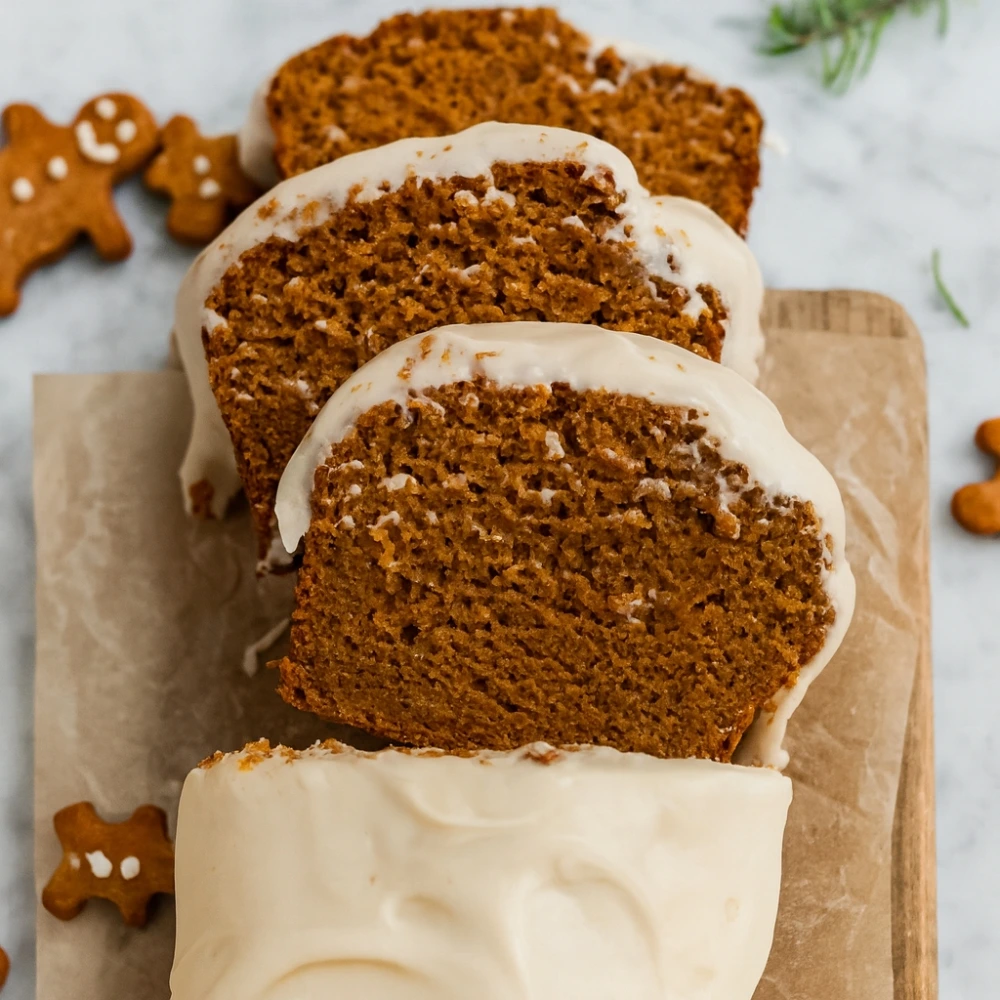
If you’ve ever ordered Starbucks’ gingerbread loaf and thought, “I wish I could make this at home,” you’re in the right place. This gingerbread loaf recipe delivers that perfect balance of spicy warmth and tender crumb—but better. And here’s the secret: it’s not complicated. You’re about to learn exactly why this recipe works, the science behind each ingredient, and how to avoid the most common mistakes that lead to dry, dense quick breads.
Why This Gingerbread Loaf Recipe Works
Before we dive into the instructions, let’s talk about what makes this moist gingerbread bread different from those disappointing, hockey-puck versions you might have tried before.
The Science Behind the Moisture:
- Hot water activation: We use hot water to melt the molasses, which creates steam during baking. This steam keeps the crumb tender and prevents that dreaded dry texture.
- Buttermilk acidity: The acid in buttermilk reacts with baking soda to create lift while simultaneously tenderizing the gluten structure. This is why your loaf stays soft for days.
- Oil over butter: While butter adds flavor, oil keeps baked goods moister longer because it stays liquid at room temperature. For this Starbucks copycat gingerbread, we’re using vegetable or canola oil.
- Unsulphured molasses: Use unsulphured molasses, not blackstrap. Blackstrap is too bitter and will overpower the warm spices.
Key Techniques That Matter:
- Don’t overmix the batter—stir just until combined
- Use room temperature ingredients for even mixing
- Test doneness with a toothpick at 50 minutes, not before
- Cool completely before slicing to maintain structure
What You’ll Need for This Spiced Loaf
Essential Ingredients
| Ingredient | Amount | Why It Matters |
|---|---|---|
| All-purpose flour | 2 cups | Provides structure |
| Unsulphured molasses | ¾ cup | Creates moisture and deep flavor |
| Buttermilk | ½ cup | Activates leavening, adds tang |
| Vegetable oil | ½ cup | Keeps loaf tender |
| Brown sugar | ½ cup | Adds sweetness and moisture |
| Eggs | 2 large | Binds and adds richness |
| Baking soda | 1½ tsp | Creates lift through acid reaction |
| Ground ginger | 2 tsp | Primary spice note |
| Ground cinnamon | 1 tsp | Warmth and complexity |
| Ground cloves | ½ tsp | Aromatic depth |
| Salt | ½ tsp | Flavor enhancement |
| Hot water | ½ cup | Activates molasses |
Equipment Needed
- 9×5-inch loaf pan
- Mixing bowls (2)
- Whisk and spatula
- Measuring cups and spoons
- Parchment paper
Step-by-Step Instructions for the Perfect Holiday Quick Bread
Preparation (5 minutes)
- Preheat your oven to 350°F (175°C)
- Grease and line your 9×5-inch loaf pan with parchment paper, leaving overhang on the sides for easy removal
- Bring ingredients to room temperature if you haven’t already
Mixing the Batter (10 minutes)
Dry Ingredients:
- In a large bowl, whisk together flour, ginger, cinnamon, cloves, and salt
- Set aside
Wet Ingredients:
- In a separate bowl, combine molasses and hot water—stir until smooth
- Add buttermilk, oil, brown sugar, and eggs
- Whisk until fully combined (about 1 minute)
Combining:
- Pour wet ingredients into dry ingredients
- Fold gently with a spatula until just combined—you should still see a few flour streaks
- Add baking soda last and fold 3-4 times (this ensures even distribution without overmixing)
Pro Tip: The baking soda reaction happens immediately when it contacts the acidic buttermilk and molasses. That’s why we add it last and get the batter into the oven quickly.
Baking & Cooling (55-60 minutes + cooling time)
- Pour batter into prepared pan and smooth the top
- Bake for 55-60 minutes, until a toothpick inserted in the center comes out with just a few moist crumbs
- Cool in the pan for 15 minutes
- Use parchment overhang to lift loaf onto a wire rack
- Cool completely before slicing (this takes about 2 hours—I know it’s hard to wait!)
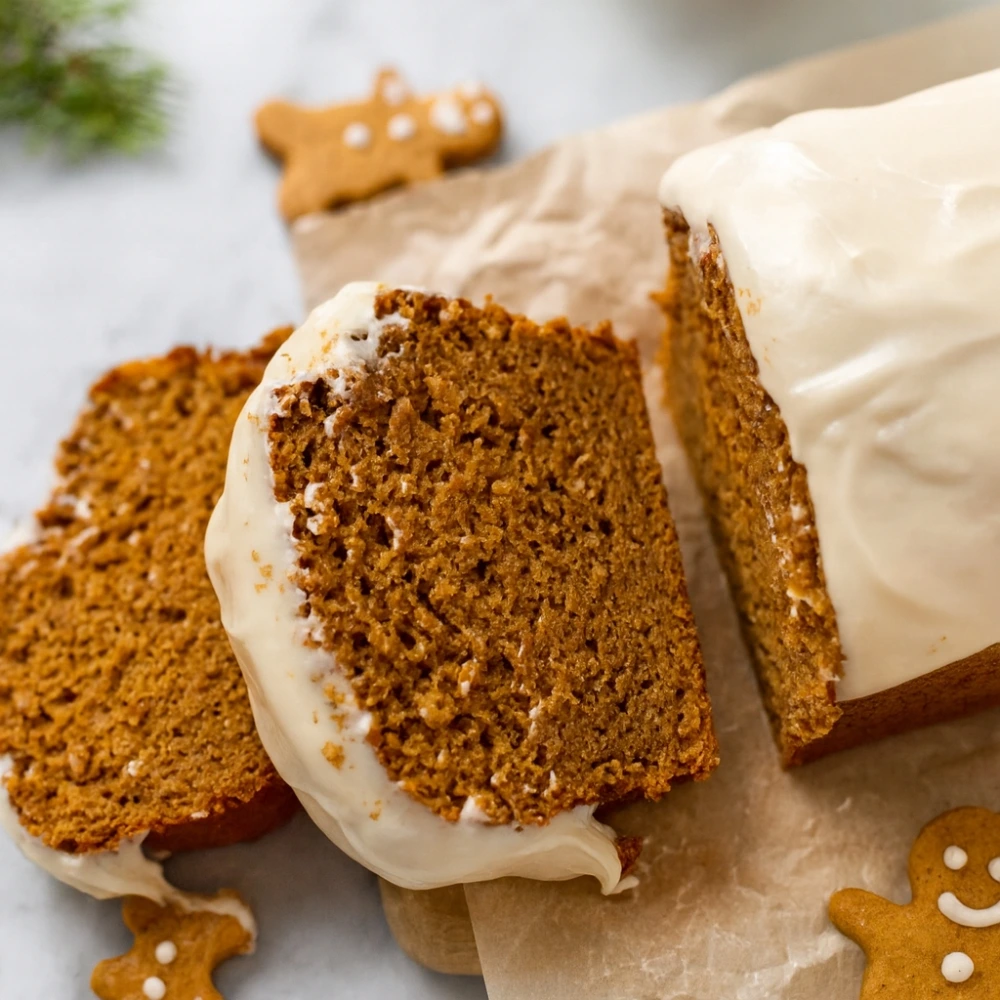
Tips for a Moist Loaf Every Time
Common Mistakes to Avoid:
- ❌ Overmixing: This develops gluten and creates a tough, rubbery texture
- ❌ Skipping the hot water: Room temperature water won’t properly activate the molasses
- ❌ Using blackstrap molasses: It’s too bitter for this recipe
- ❌ Overbaking: Check at 50 minutes—ovens vary significantly
Storage Secrets:
- Room temperature: Wrap tightly in plastic wrap for up to 3 days
- Refrigerator: Store in an airtight container for up to 1 week
- Freezer: Double-wrap and freeze for up to 3 months
Flavor Variations:
- Add ½ cup crystallized ginger for extra spice and texture
- Swirl in cream cheese filling before baking
- Top with a simple glaze (powdered sugar + milk)
- Mix in ½ cup chopped pecans or walnuts
Why Your Gingerbread Might Be Dry (And How to Fix It)
This is the most common complaint I hear about gingerbread recipes. Here’s what’s going wrong:
Problem: Dense, dry crumb
Solution: You’re either overmixing or overbaking. Mix only until ingredients are incorporated, and check doneness 5 minutes early.
Problem: Cake tastes bland
Solution: Your spices might be old. Ground spices lose potency after 6 months. Invest in fresh ginger and cinnamon.
Problem: Loaf sinks in the middle
Solution: Your oven temperature is too high, or you opened the oven door too early. Don’t peek before 45 minutes.
Problem: Loaf is too sweet
Solution: Reduce brown sugar to ⅓ cup and add 1 tablespoon of fresh lemon juice for balance.
The Science of Perfect Gingerbread
Let’s geek out for a moment about what’s happening at the molecular level when you make this moist gingerbread bread.
The Baking Soda Reaction: When baking soda (sodium bicarbonate) meets the acidic buttermilk and molasses, it creates carbon dioxide bubbles. These bubbles get trapped in the batter, creating rise and a tender crumb. This is why timing matters—you want to capture those bubbles before they escape.
The Role of Molasses: Molasses is hygroscopic, meaning it attracts and retains moisture. This is why gingerbread stays moist even days after baking. The molasses literally pulls moisture from the air and holds it in your loaf.
Why Oil Matters: Butter solidifies when cool, which can make baked goods feel dry at room temperature. Oil stays liquid, coating flour particles and maintaining that tender, moist texture throughout the loaf’s shelf life.
Nutritional Information
Per Slice (based on 12 slices):
- Calories: 240 kcal
- Carbohydrates: 38g
- Protein: 3g
- Fat: 9g
- Fiber: 1g
- Sugar: 22g
Frequently Asked Questions
Can I substitute the buttermilk?
Yes! Make a buttermilk substitute by adding 1½ teaspoons of white vinegar or lemon juice to ½ cup of regular milk. Let it sit for 5 minutes before using.
Do I need to use a loaf pan?
A 9×5-inch pan is ideal, but you can use an 8×4-inch pan (increase baking time by 10 minutes) or make muffins (reduce baking time to 18-22 minutes).
Can I make this vegan?
Replace eggs with flax eggs (2 tablespoons ground flaxseed + 6 tablespoons water), and use plant-based buttermilk (non-dairy milk + vinegar).
Why is my loaf cracking on top?
That’s actually a good sign! The crack means your baking soda is working properly and creating good rise. It’s completely normal for quick breads.
Final Thoughts: Your New Go-To Holiday Recipe
This gingerbread loaf recipe isn’t just another holiday quick bread—it’s the recipe that will have your friends asking for your secret. The combination of proper technique, quality ingredients, and understanding the science creates something truly special.
The key takeaways? Use hot water to activate the molasses, don’t overmix your batter, and resist the urge to slice it while it’s still warm. Follow these rules, and you’ll have a Starbucks copycat gingerbread that’s actually better than the original.
Now it’s your turn. Preheat that oven, pull out your loaf pan, and get ready to make your kitchen smell absolutely incredible. And when everyone asks where you bought this amazing bread? Just smile and tell them it’s homemade.
Related Recipes You’ll Love:
- Classic Gingerbread Cookies
- Cream Cheese Frosting (perfect for this loaf!)
- Spiced Pumpkin Bread
- Holiday Quick Bread Variations
Pin this recipe for later and leave a comment below telling me how your loaf turned out! Did you make any modifications? I’d love to hear about it.
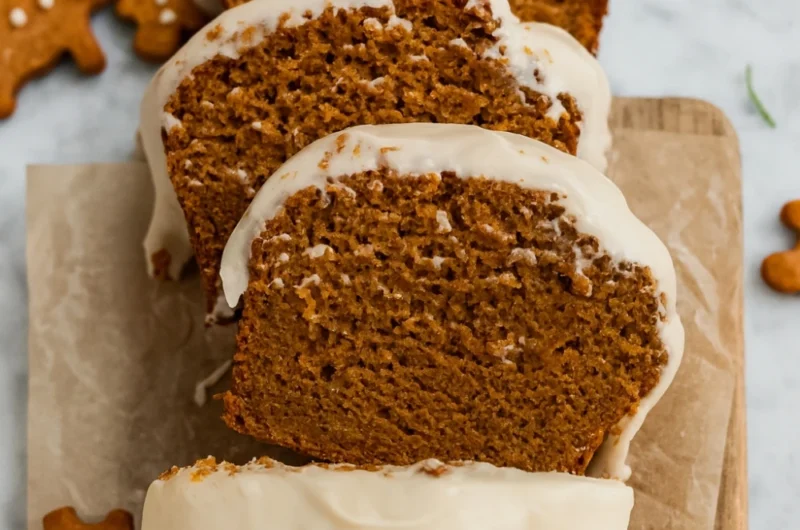
Better Than Starbucks: Gingerbread Loaf Recipe
Course: Breakfast, cake ideas, DinnerCuisine: AmericanServings
1
servingsPrep time
15
minutesCooking time
50
minutesCalories
300
kcalIngredients
1/2 cup (115 g) unsalted butter, softened
1/2 cup (100 g) packed brown sugar
1/2 cup (170 g) unsulphured molasses
2 large eggs, room temperature
1 cup (240 ml) buttermilk (or 1 cup milk + 1 Tbsp vinegar, rested 5 min)
2 cups (250 g) all-purpose flour
1 tsp baking soda
1 tsp baking powder
1/2 tsp fine salt
2 tsp ground ginger
1 1/2 tsp ground cinnamon
1/4 tsp ground cloves
1/4 tsp ground nutmeg
Optional: 1 tsp orange zest
Simple glaze (optional): 1/2 cup (60 g) powdered sugar + 1–2 tsp milk + tiny pinch cinnamon
Directions
- Prep. Heat oven to 350°F (175°C). Grease and line a 9×5-inch (23×13 cm) loaf pan with parchment.
- Cream. In a bowl, beat butter and brown sugar until light and fluffy (2–3 min). Beat in molasses, then eggs one at a time.
- Dry mix. In a separate bowl whisk flour, baking soda, baking powder, salt, ginger, cinnamon, cloves, and nutmeg. Stir in orange zest if using.
- Combine. Add dry ingredients to the wet in two additions, alternating with the buttermilk. Mix just until no dry streaks remain (don’t overmix).
- Bake. Scrape batter into the pan, smooth top, and bake 45–55 minutes, until a tester comes out clean and the center springs back (internal temp around 205°F / 96°C).
- Cool. Let cool in pan 10 minutes, then lift out to a rack to cool completely.
- Glaze (optional). Whisk powdered sugar with milk to a pourable glaze; add a pinch of cinnamon if you like. Drizzle over the cooled loaf. Slice into ~10 pieces and serve.