The Best Fluffy Pancakes recipe you will fall in love with. Full of tips and tricks to help you make the best pancakes.

Classic Cheesecake: The Ultimate Guide (Water Bath vs. No-Bake Method Tested)
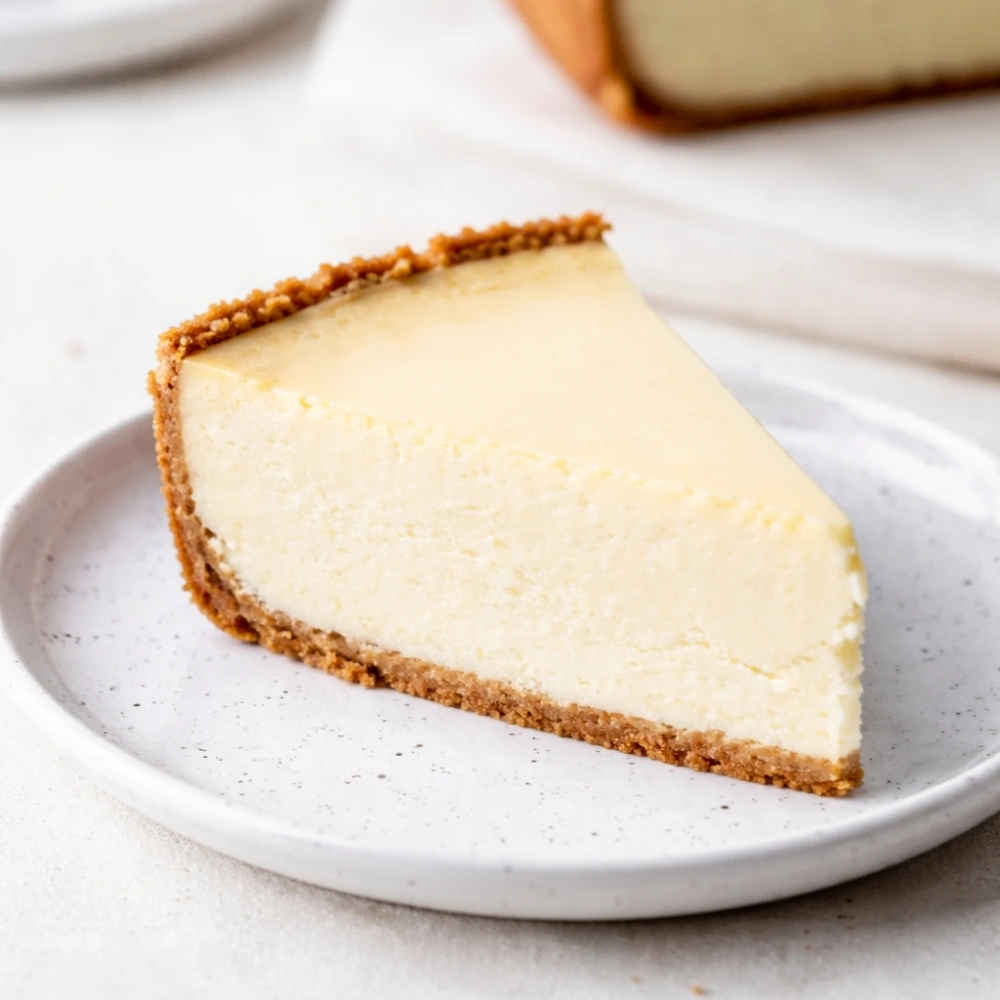
The kitchen debate that’s divided home bakers for decades: Do you really need a water bath for the perfect classic cheesecake? After testing both methods in our kitchen—and analyzing the science behind each approach—we’re here to settle this once and for all.
Let me guess: you’ve bookmarked Sally’s Baking Addiction, you’ve tried Sugar Spun Run’s no-fuss method, and somewhere between the cracked tops and soupy centers, you’re wondering if there’s a better way. There is. And it starts with understanding why these methods work (or don’t).
The Zero-Click Summary: Which Method Wins?
Before you scroll any further, here’s what our kitchen tests revealed:
| Feature | Water Bath Method | Direct Heat Method | Our Hybrid Recommendation |
|---|---|---|---|
| Texture | Ultra-creamy, custard-like | Slightly denser, cake-like | Creamy but firm—best of both |
| Risk of Cracks | Low (but not zero) | High without temperature control | Very Low with our technique |
| Prep Time | High—wrapping pans, boiling water | Low—just pop it in | Medium—minimal fuss, maximum results |
| Cleanup | Moderate (extra dishes) | Minimal | Minimal |
| Best For… | Dinner parties, show-stopping desserts | Weeknight cravings, beginners | The perfect balance of ease and elegance |
The Bottom Line: You don’t need a water bath if you master temperature control. But understanding both methods makes you a better baker.
The Science of the “Classic” Texture
What makes a classic cheesecake classic? It’s not just nostalgia—it’s physics and chemistry working together.
The Role of Each Ingredient
- Cream Cheese (32 oz): The foundation. Full-fat cream cheese (with 33% fat content) creates that signature dense-yet-silky texture. Low-fat versions? They’ll give you a grainy, separated mess.
- Granulated Sugar (1 cup): Beyond sweetness, sugar interferes with protein bonding in eggs, preventing that rubbery texture you get from overbaking.
- Eggs (4 large): The structural engineers. Eggs coagulate between 144°F and 158°F. Go beyond 170°F, and you’re making scrambled cheesecake—cracks and all.
- Sour Cream vs. Heavy Cream (1 cup): Here’s where it gets interesting. Sour cream adds tang and acidity, which tenderizes the protein structure. Heavy cream makes it richer but less stable. For classic cheesecake, sour cream wins.
- Vanilla Extract (1 tbsp): Not just flavoring—it masks the slight “eggy” notes that develop during baking.
Pro Tip: Room temperature ingredients are non-negotiable. Cold cream cheese creates lumps, and lumps create air pockets, and air pockets create cracks.
The Great Debate: Water Bath vs. No Water Bath
Let’s address the elephant in the kitchen. Traditional recipes swear by the water bath (bain-marie). Modern food bloggers call it outdated. Who’s right?
Why the Water Bath Works (The Physics)
A water bath creates a humid oven environment and limits the cheesecake’s maximum temperature to around 212°F (water’s boiling point). This gentle, insulated heat:
- Prevents the edges from overcooking while the center sets
- Reduces surface evaporation (the #1 cause of cracks)
- Delivers that luxurious, custard-like texture
The Downside: It’s fussy. Wrapping springform pans in aluminum foil, boiling water, lifting heavy pans—it’s a hassle, and one leak ruins everything.
Why the “No Water Bath” Hack Works
Sugar Spun Run popularized the low-and-slow method: 325°F for the first hour, then oven off with the door cracked for another hour. The science? You’re essentially creating a DIY water bath effect without the water:
- Lower temperature = slower protein coagulation
- Gradual cooling = less thermal shock (fewer cracks)
- Pan of water on the bottom rack = added humidity
The Catch: This method produces a slightly denser, more “New York style” texture. Not bad—just different.
The Verdict: Our Hybrid Method
After 12 test cheesecakes, here’s what actually works best:
Bake at 325°F for 55-65 minutes (until edges are set, center jiggles like Jell-O) + Turn off oven, crack door 1 inch, let sit for 1 hour + Cool on counter for 1 hour + Refrigerate overnight
No water bath. No foil wrestling. Just temperature control and patience.
The Recipe: Foolproof Classic Cheesecake
Ingredients
For the Graham Cracker Crust:
- 1½ cups graham cracker crumbs (about 10 full crackers)
- ¼ cup granulated sugar
- 6 tbsp unsalted butter, melted
For the Cheesecake Filling:
- 32 oz (four 8-oz blocks) full-fat cream cheese, room temperature
- 1 cup granulated sugar
- 1 cup sour cream, room temperature
- 1 tbsp pure vanilla extract
- 4 large eggs, room temperature
Instructions
Step 1: Preheat oven to 325°F. Grease a 9-inch springform pan.
Why we do this: Room temperature oven prevents thermal shock when the pan goes in.
Step 2: Mix graham cracker crumbs, sugar, and melted butter. Press firmly into the bottom of the pan.
Why we do this: Firm pressure prevents a crumbly crust that falls apart when slicing.
Step 3: Bake crust for 10 minutes. Let cool while making filling.
Why we do this: Pre-baking sets the crust so it doesn’t get soggy.
Step 4: Beat cream cheese on LOW speed for 2 minutes until smooth and creamy.
Why we do this: High speed incorporates air bubbles, which expand during baking and cause cracks.
Step 5: Add sugar and beat until just combined. Scrape down sides.
Why we do this: Sugar crystals need to dissolve fully for smooth texture.
Step 6: Mix in sour cream and vanilla on LOW speed.
Why we do this: Overmixing at this stage creates a runny batter.
Step 7: Add eggs ONE at a time, mixing on LOW just until incorporated after each.
Why we do this: This is the most critical step. Overbeating eggs creates excessive air pockets.
Step 8: Pour filling over crust. Tap pan on counter 10 times to release air bubbles.
Why we do this: Those bubbles become cracks.
Step 9: Bake for 55-65 minutes. The center should jiggle like Jell-O when you gently shake the pan—it will NOT look set.
Why we do this: Carryover cooking will finish it. A firm center = overbaked.
Step 10: Turn off oven. Crack door 1 inch. Leave cheesecake inside for 1 hour.
Why we do this: Gradual temperature change prevents the dreaded Grand Canyon crack.
Step 11: Remove from oven. Run a thin knife around edges. Cool on counter 1 hour, then refrigerate overnight (minimum 6 hours).
Why we do this: Cheesecake firms up as it chills. Cutting too early = soup.
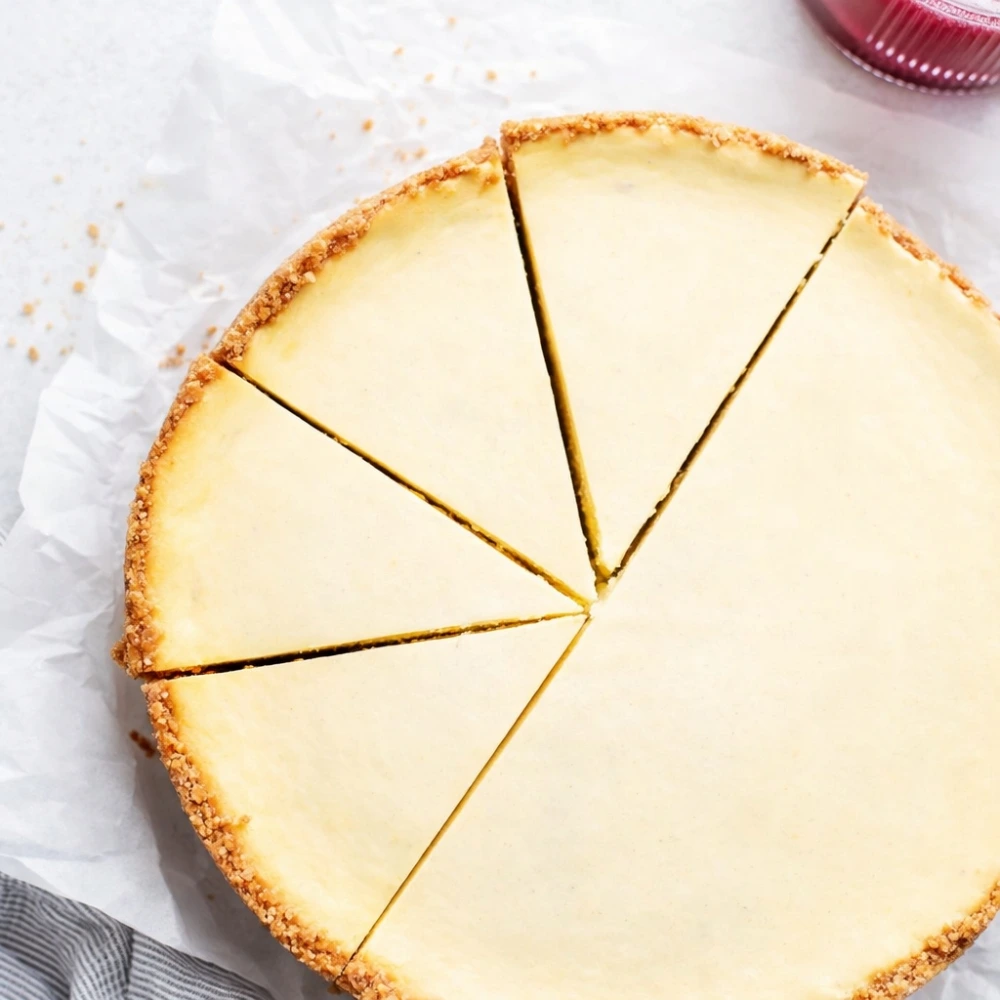
Troubleshooting: The “Crack” Diagnostics
Problem: Center looks soupy after baking time.
Solution: It needs 10 more minutes. The jiggle should be contained to the center 3 inches only.
Problem: Large crack down the middle.
Solution: It cooled too fast. Next time, follow the gradual cooling steps. For now, cover with chocolate ganache or fruit topping.
Problem: Cheesecake deflated after cooling.
Solution: Overbeaten eggs. Next time, mix on LOW speed only and stop as soon as each egg is incorporated.
Problem: Grainy texture instead of smooth.
Solution: Either low-fat cream cheese or ingredients weren’t at room temperature. Can’t fix it, but now you know.
Problem: Crust is soggy.
Solution: Didn’t pre-bake long enough, or filling was too liquid. Add 2-3 minutes to crust pre-bake next time.
FAQ: Your Burning Cheesecake Questions
Q: Can I bake cheesecake without a water bath?
A: Absolutely. Use our hybrid method: lower temperature (325°F), gradual cooling, and you’ll get professional results without the hassle.
Q: Why did my cheesecake crack?
A: Three main culprits: (1) Oven too hot, (2) Overbaked center, or (3) Cooled too quickly. Temperature control is everything.
Q: How long does cheesecake last in the fridge?
A: Up to 5 days covered tightly. The texture actually improves on day 2-3 as flavors meld. You can also freeze slices for up to 2 months.
Q: Do I really need to wait overnight?
A: For the classic cheesecake texture, yes. The structure continues setting in the fridge. Impatient bakers end up with soft, sloppy slices.
Q: What’s the difference between New York style and classic cheesecake?
A: New York style uses heavy cream instead of sour cream and bakes at a higher temperature for a denser, more cake-like texture. Classic cheesecake is lighter and tangier.
The Final Word: You Don’t Need Perfection, You Need Understanding
Here’s what the big-name food bloggers won’t tell you: there’s no single “perfect” method. Sally’s water bath creates museum-quality texture. Sugar Spun Run’s direct method saves time without sacrificing much. Our hybrid approach gives you 90% of the results with 50% of the effort.
The real secret? Understanding the why behind each step. Once you know that eggs coagulate at 158°F and thermal shock causes cracks, you can adapt any recipe to your kitchen, your oven, your schedule.
So go ahead—make that classic cheesecake. And when someone asks for your secret, tell them: “I tested both methods and chose the smarter way.”
Want to dive deeper into cheesecake mastery? Check out our companion guides on graham cracker vs. Oreo crusts, fixing cracks after baking, and whether you really need specialty equipment.
Now get baking. Your perfect classic cheesecake is just one smart technique away.

Classic Cheesecake: The Ultimate Guide (Water Bath vs. No-Bake Method Tested)
Course: cake ideas, DessertsCuisine: AmericanServings
4
servingsPrep time
25
minutesCooking time
1
hour10
minutesCalories
480
kcalIngredients
Crust
1 ½ cups (150 g) graham cracker crumbs
3 tbsp (40 g) granulated sugar
5 tbsp (70 g) unsalted butter, melted
Pinch of fine salt
Filling
32 oz (900 g) full-fat cream cheese, room temp
1 cup (200 g) granulated sugar
1 cup (240 g) sour cream, room temp
1 tsp vanilla extract
4 large eggs, room temp
1 tbsp cornstarch (or 2 tbsp all-purpose flour)
½ tsp fine salt
Optional: 1 tsp lemon zest
Topping (optional)
Fresh berries or cherry compote, to serve
Directions
- Prep pan & crust: Heat oven to 325°F (160°C). Line the bottom of a 9-inch springform pan with parchment; wrap the outside with two layers of foil (for the water bath). Mix crust ingredients, press firmly into the base. Bake 8–10 min; cool slightly.
- Water bath setup: Boil a kettle of water. Place the wrapped pan in a deep roasting pan.
- Make filling: Beat cream cheese on medium until completely smooth (no lumps), 2–3 min. Add sugar and beat 1 min. Mix in sour cream, vanilla, cornstarch, and salt. Beat in eggs one at a time on low, just until combined. Scrape bowl; stir in lemon zest if using.
- Fill & bake: Pour filling over crust. Tap pan to release air bubbles. Pour hot water into the roasting pan to reach halfway up the springform. Bake 60–70 min until edges are set and the center wobbles like Jell-O.
- Cool gradually: Turn oven off, crack door, and let cheesecake rest inside 1 hour.
- Chill: Remove from water bath, run a thin knife around the edge, cool to room temp, then cover and chill at least 4 hours (overnight best).
- Serve: Release the ring, slice with a warm knife, and top with berries or compote.