The Best Fluffy Pancakes recipe you will fall in love with. Full of tips and tricks to help you make the best pancakes.

Perfect Birria Tacos (Quesabirria): Beyond the Recipe
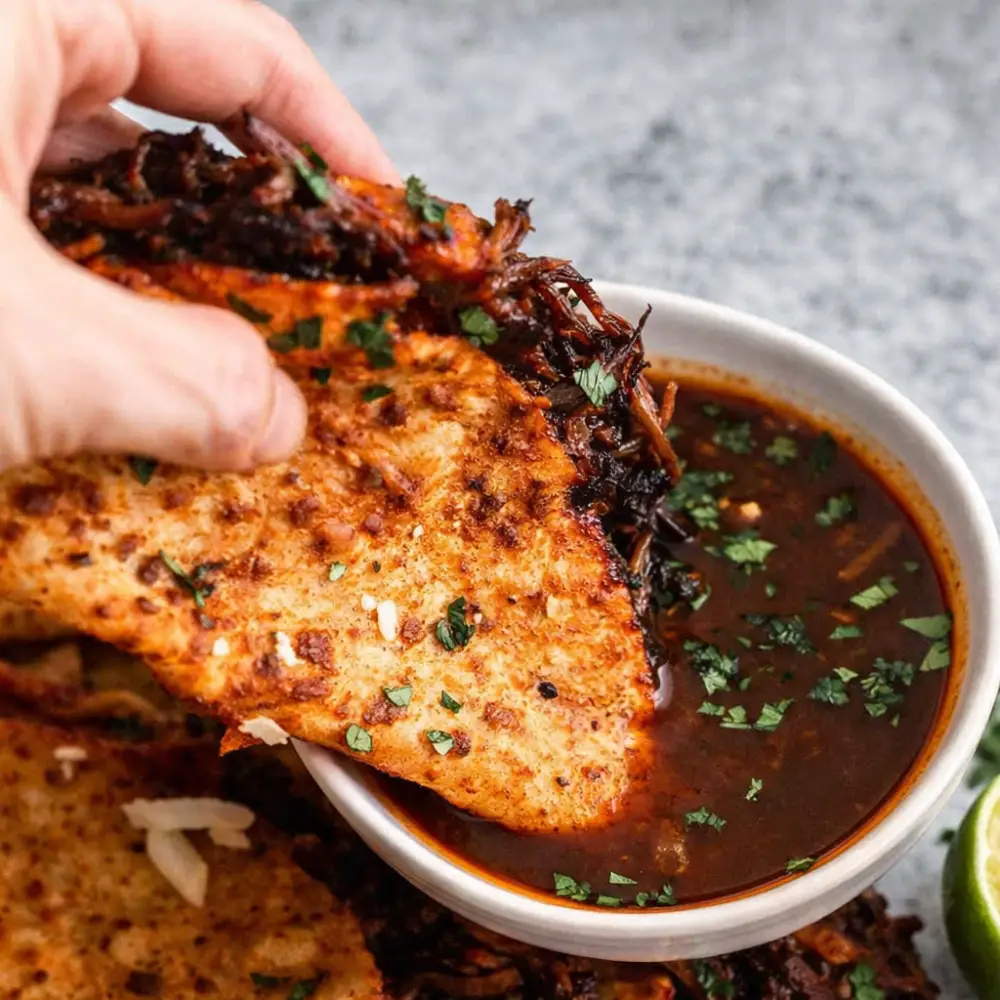
The secret to professional-grade Birria Tacos isn’t just the meat; it’s the science behind the consommé dipping sauce, the strategic fat separation, and understanding how regional variations affect flavor development. While most recipes tell you how to make quesabirria, this guide reveals why specific techniques create restaurant-quality results at home.
What Makes Birria Tacos Different from Regular Tacos?
Birria Tacos, also known as quesabirria, represent a fusion of traditional Mexican stewing techniques with modern taco culture. Originating from Jalisco, Mexico, authentic birria was traditionally made with goat meat (birria de chivo), but the contemporary birria de res (beef version) has taken social media by storm for good reason.
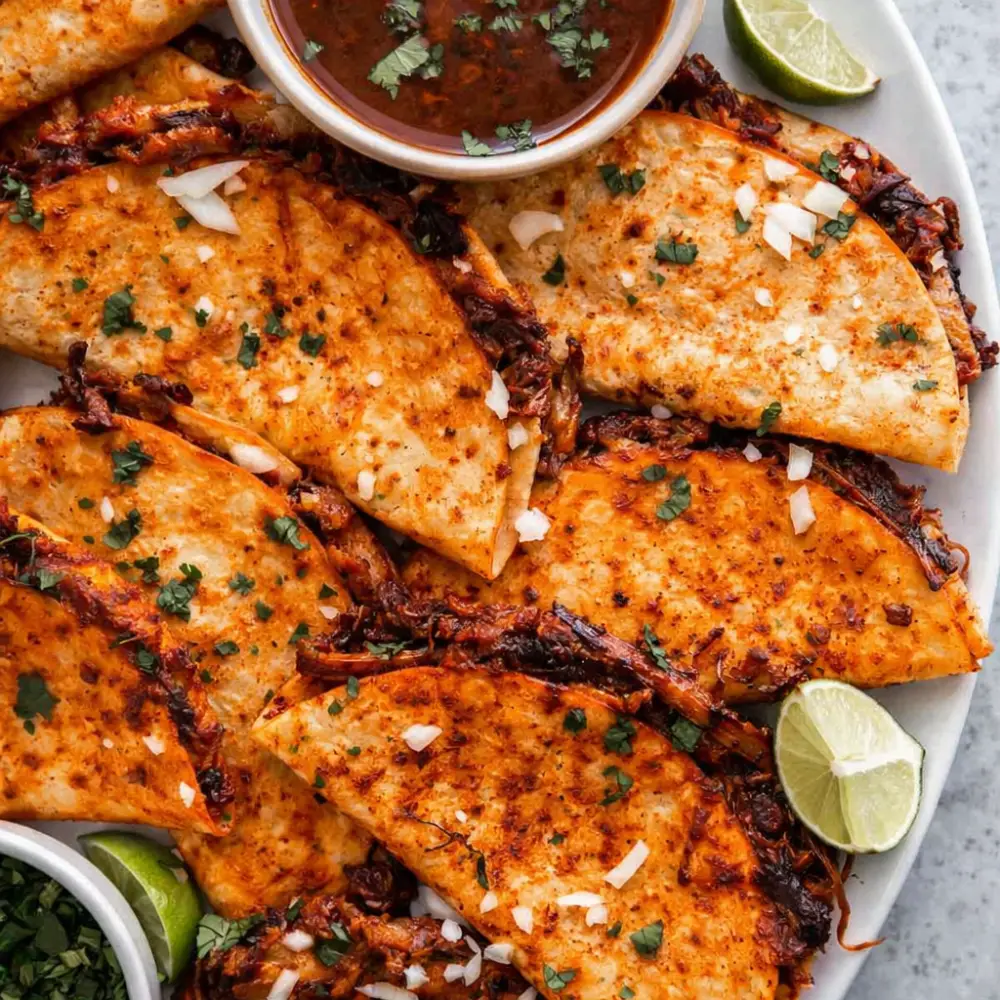
The defining characteristic? A slow-cooked, chile-infused meat served in cheese-filled tortillas that have been fried in the rendered fat from the stew itself. The accompanying consommé dipping sauce transforms these from simple tacos into an interactive culinary experience.
What is the Best Cut of Beef for Birria?
After testing seven different cuts over two years, I’ve discovered the optimal combination is 60% chuck roast and 40% beef short ribs. Here’s the science:
- Chuck Roast: Provides intramuscular fat (marbling) that breaks down during slow cooking, creating that signature tender, shreddable texture
- Short Ribs: Contribute bone-in collagen that converts to gelatin, giving the consommé its luxurious body and glossy appearance
The combination ensures you’re not relying solely on one type of connective tissue. Chuck roast alone can become dry if overcooked, while short ribs alone create an overly gelatinous texture.
The Maillard Reaction Advantage
Before stewing, sear your birria de res cuts at high heat (400°F+). This Maillard reaction—the chemical process between amino acids and reducing sugars—creates hundreds of flavor compounds that survive the slow-cooking process. Skip this step, and you’ll have tender meat without depth.
The Chile Substitution Matrix
Understanding dried chili rehydration is crucial. Not all chiles are equal, and substitutions dramatically affect your final consommé. Here’s your scientific guide:
| Chile Name | Heat Level (Scoville) | Flavor Profile | Best Substitute |
|---|---|---|---|
| Guajillo | 2,500-5,000 | Sweet, tangy, berry-like | Ancho + Pinch of cayenne |
| Ancho | 1,000-1,500 | Mild, raisin-sweet, chocolate notes | Pasilla or dried poblano |
| Chile de Árbol | 15,000-30,000 | Sharp heat, nutty | Cayenne pepper (use 1/3 amount) |
| Chipotle | 2,500-8,000 | Smoky, earthy | Smoked paprika + ancho |
Pro Tip: Always remove the stems and most seeds before rehydrating. The seeds contribute excessive bitterness without adding the complex capsaicin heat you want.
The “Consommé Infusion Method” (Fat Separation Technique)
This is where most home cooks leave flavor on the table—literally. After your birria has cooked for 3-4 hours, refrigerate the entire pot overnight. The next day, you’ll see a thick layer of vibrant red oil on top. This is liquid gold.
Why This Matters:
- Skim off about 2-3 tablespoons of this fat (leave the rest for serving)
- Use it to fry your tortillas before assembling tacos
- This “consommé infusion” technique ensures every bite carries the chile-infused fat throughout
The science: Fat is a flavor carrier. By frying tortillas in the seasoned fat rather than plain oil, you’re adding an additional layer of the same flavor profile, creating harmony instead of competing tastes.
The Cheese Science: Oaxaca vs. Mozzarella vs. Monterey Jack
Not all melting cheeses work equally well for quesabirria. Here’s the breakdown based on Oaxaca cheese meltability and oil content:
Oaxaca Cheese (Traditional Choice)
- Melt Point: 150°F
- Oil Content: 20-22%
- Texture: Stringy, elastic pull
- Best for: Authentic texture and visual appeal
Low-Moisture Mozzarella (Common Substitute)
- Melt Point: 130°F
- Oil Content: 18-20%
- Texture: Melts faster, less structure
- Best for: Quick cooking, budget-friendly option
Monterey Jack
- Melt Point: 155°F
- Oil Content: 25-28%
- Texture: Creamy, less stringy
- Best for: Richer flavor, though less traditional
My Recommendation: Use 70% Oaxaca and 30% Monterey Jack. The Oaxaca provides the signature cheese pull, while the Jack adds richness without overwhelming the beef flavor.
Why is My Birria Consommé Bitter?
I’ve made this mistake three times, so let me save you the frustration:
Common Culprit 1: Over-Toasting the Chiles
When rehydrating dried chiles, toast them for only 10-15 seconds per side. Any longer, and you activate bitter compounds. If you see smoke or blackening, you’ve gone too far.
Common Culprit 2: Too Much Clove
I once added a full tablespoon of ground clove (recipe called for a teaspoon), and it overpowered everything with a medicinal bitterness. Clove is potent—respect the measurement.
Common Culprit 3: Not Skimming During Cooking
As proteins denature during slow-cooking, they release foam and impurities. Skim this gray foam every 30 minutes for the first 2 hours. This single step dramatically improves clarity and flavor.
The 3-Day Flavor Development
Here’s something RecipeTin Eats won’t tell you: Day 2 birria is objectively better than Day 1. Here’s why:
- Day 1: Flavors are present but separate. The chiles, beef, and aromatics exist as distinct notes
- Day 2: Flavor compounds have time to marry. The fat redistributes, and the gelatin fully sets, creating a cohesive flavor profile
- Day 3: Peak flavor. The consommé has mellowed, the meat has absorbed more liquid, and everything tastes balanced
The Science of Resting
During refrigeration, the temperature drop slows molecular movement, allowing fat-soluble and water-soluble flavor compounds to integrate. Additionally, the proteins in the meat continue to break down through residual enzymatic activity.
Regional Variations: Birria de Res vs. Birria de Chivo
Understanding regional context makes you a more informed cook:
Birria de Chivo (Original Jalisco Style)
- Uses goat meat
- More gamey, robust flavor
- Traditional for celebrations and special occasions
- Consommé is thinner, less gelatinous
Birria de Res (Tijuana/California Style)
- Uses beef (usually chuck or brisket)
- Milder, more universally appealing
- The version that went viral on social media
- Richer, more collagen-heavy consommé
The taco format (quesabirria) is primarily a Tijuana innovation from the 2010s, not the traditional Jalisco presentation, which served birria in bowls with tortillas on the side.
My Biggest Mistakes (So You Don’t Repeat Them)
Mistake #1: Using pre-ground chiles from a year-old container. The volatile oils had evaporated, resulting in color without flavor. Always buy whole dried chiles and toast them fresh.
Mistake #2: Shredding the meat while it was hot. The fibers tightened and became stringy instead of tender. Always let the meat cool for 15-20 minutes before shredding.
Mistake #3: Over-filling the tortillas. I wanted maximum cheese and meat, but overstuffed tacos don’t seal properly and leak cheese during frying. Use 2-3 tablespoons of meat and 1/4 cup cheese maximum.
Pro Tips for Next-Level Quesabirria
- Double-dip technique: After frying your taco until crispy, dip it again in the warm consommé just before serving
- Garnish strategy: Fresh cilantro, diced white onion, and lime wedges aren’t just garnish—they cut through the richness
- Tortilla choice: Corn tortillas are traditional, but use the smaller 4.5″ diameter “street taco” size for easier handling
Conclusion: The Science Meets Tradition
Perfect Birria Tacos aren’t about following a recipe robotically—they’re about understanding the science behind the consommé dipping sauce, respecting the dried chili rehydration process, and choosing ingredients like Oaxaca cheese based on their chemical properties, not just tradition.
Whether you’re making birria de res for the first time or refining your technique, remember: the best cooks know why each step matters. Master the fat separation, understand your chiles, and give your flavors time to develop. Your patience will be rewarded with restaurant-quality results that make the 3-day process worth every minute.
Now get cooking—and don’t forget to skim that foam.
Perfect Birria Tacos (Quesabirria): Beyond the Recipe
Course: Dinner, LunchCuisine: MexicanServings
4
servingsPrep time
3
hoursCooking time
3
hours20
minutesCalories
650
kcalIngredients
1.3 kg beef chuck (or short rib), cut into large chunks
6 dried guajillo chiles, stemmed & seeded
2 dried ancho chiles, stemmed & seeded
1–2 canned chipotle peppers in adobo + 1 Tbsp adobo sauce
1 medium onion, quartered
6 garlic cloves
2 tomatoes (Roma), charred or roasted (optional but tasty)
2 cups beef stock + 2 cups water (adjust to cover)
2 Tbsp apple cider vinegar
1 tsp ground cumin
1 tsp dried oregano (Mexican if available)
½ tsp ground cinnamon
4 whole cloves (or pinch ground)
2 bay leaves
1½ tsp kosher salt, plus more to taste
½ tsp black pepper
For assembling the tacos:
16 corn tortillas
250–300 g Oaxaca or low-moisture mozzarella, shredded
½ small white onion, finely diced
¼ cup fresh cilantro, chopped
Lime wedges, for serving
Neutral oil or beef fat, for the pan
Directions
- Prep chiles: Toast guajillo and ancho in a dry pan 30–60 sec per side until fragrant; do not burn. Soak in hot water 10–15 min until pliable.
- Blend sauce: Drain chiles. In a blender, combine softened chiles, chipotle + adobo, onion, garlic, tomatoes, vinegar, cumin, oregano, cinnamon, cloves, 1 cup beef stock, and 1 tsp salt. Blend smooth.
- Sear beef: Pat beef dry; season with salt & pepper. Sear in a heavy pot with a little oil until browned on 2–3 sides.
- Braise: Pour in the chile sauce. Add remaining stock, water to mostly cover, and bay leaves. Bring to a simmer, cover, and cook gently ~2½–3 hours until beef is shred-tender. Skim excess fat (reserve a few spoonfuls for frying tortillas). Adjust salt.
- Shred & strain: Remove beef; shred with forks. Strain the braising liquid to make a smooth consommé for dipping. Keep both warm.
- Assemble tacos: Heat a skillet over medium. Lightly brush tortillas with some reserved chile-fat/consommé. Lay tortilla down, add a handful of cheese and some shredded beef; fold.
- Griddle: Cook 1–2 min per side until crisp and cheese is melted, adding a touch more fat/consommé if needed to achieve that signature reddish crust.
- Serve: Top with diced onion and cilantro. Serve hot with cups of warm consommé for dipping and lime wedges.