The Best Fluffy Pancakes recipe you will fall in love with. Full of tips and tricks to help you make the best pancakes.

Chewy Oatmeal Cookie: Why This is the Last Recipe You’ll Need
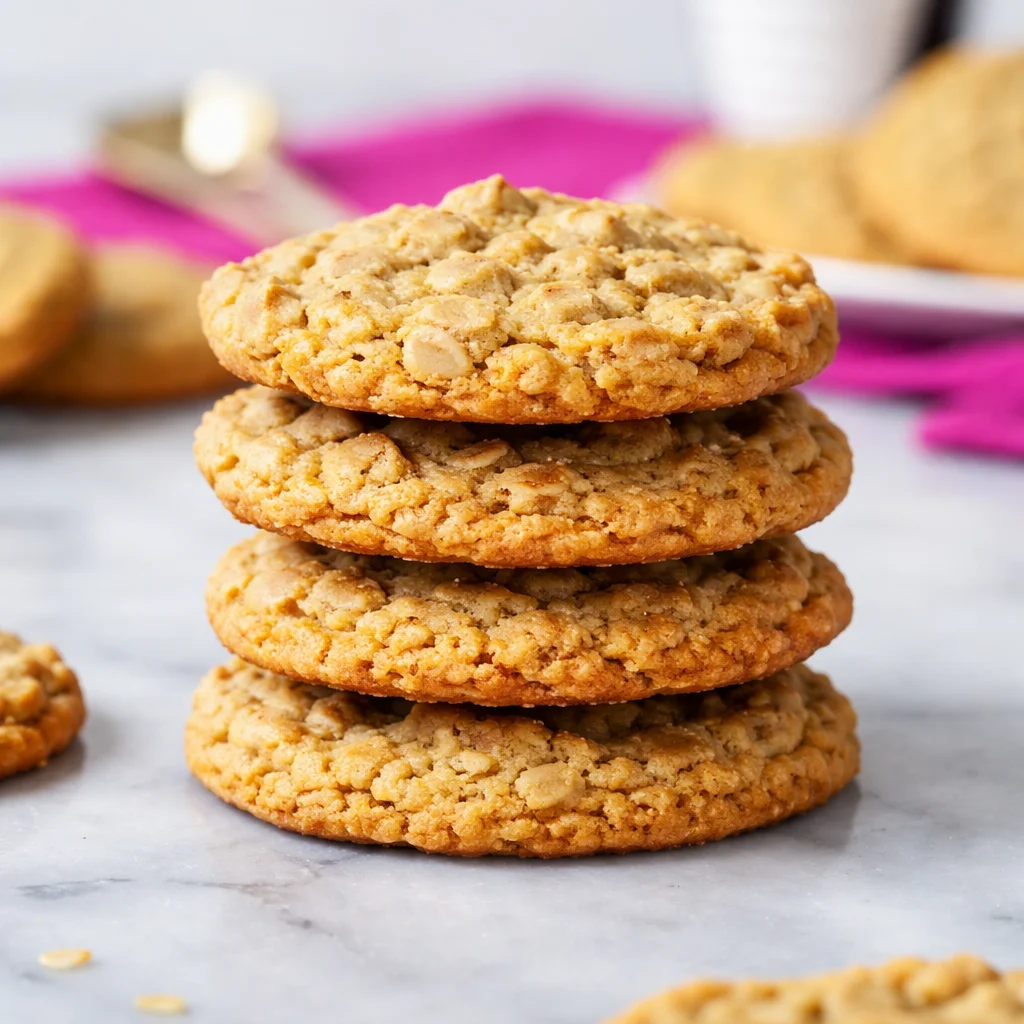
This guide to the Best Chewy Oatmeal Cookies creates a soft center with crisp edges using a precise 2:1 brown-to-white sugar ratio and old-fashioned rolled oats. The dough requires no chilling and bakes in about 20 minutes, making it ideal for busy bakers. By understanding how butter, sugar, and oats interact, you can customize texture while keeping cookies chewy every time.
Why This Works: The Science Behind Perfect Chewy Oatmeal Cookies
Creating the Best Chewy Oatmeal Cookies is less about luck and more about understanding ingredient behavior. These key principles explain why this recipe consistently delivers a soft oatmeal cookie recipe with bakery-level texture.
- Melted vs. Creamed Butter: Melted butter produces a denser, chewier cookie because it reduces air pockets. Creamed butter results in lighter, cakier cookies.
- The Oat Secret: Allowing rolled oats to sit briefly in the egg and sugar mixture hydrates them, preventing dryness and improving chew.
- Temperature Precision: Baking at 350°F encourages even spread and controlled Maillard reaction browning without over-crisping.
These small details transform ordinary old fashioned oatmeal cookies into a dependable, no-fail dessert.
Ingredient Deep Dive: How Each Choice Affects Texture
Understanding ingredients helps explain why some oatmeal cookies turn flat while others stay thick and chewy. The following table highlights the most important variables.
| Ingredient | Choice | Effect on Cookie |
|---|---|---|
| Oats | Old Fashioned Rolled Oats | Chewy, hearty texture with structure |
| Sugar | Dark Brown Sugar | Moist, caramel-like flavor from molasses |
| Fat | Salted Butter | Balanced sweetness and deeper browning |
| Flour | All-Purpose | Structure without heaviness |
Rolled Oats vs. Quick Oats
Rolled oats maintain their shape during baking, giving the Best Chewy Oatmeal Cookies a classic rustic texture. Quick oats absorb liquid faster and create softer, more uniform cookies but reduce chewiness.
Brown Sugar and the Molasses Factor
Brown sugar contains molasses, which retains moisture. A higher brown sugar ratio keeps cookies soft longer and supports that signature chewy center.
Step-by-Step Instructions for Soft, Chewy Oatmeal Cookies
- Preheat the oven to 350°F and line baking sheets with parchment paper.
- Mix melted butter and sugars until smooth, ensuring even hydration of the dough.
- Add eggs and vanilla, whisking until glossy.
- Stir in rolled oats, allowing them to soak for 5 minutes for improved texture.
- Fold in flour, baking soda, and cinnamon until just combined.
- Scoop dough balls about 2 tablespoons each and space them evenly.
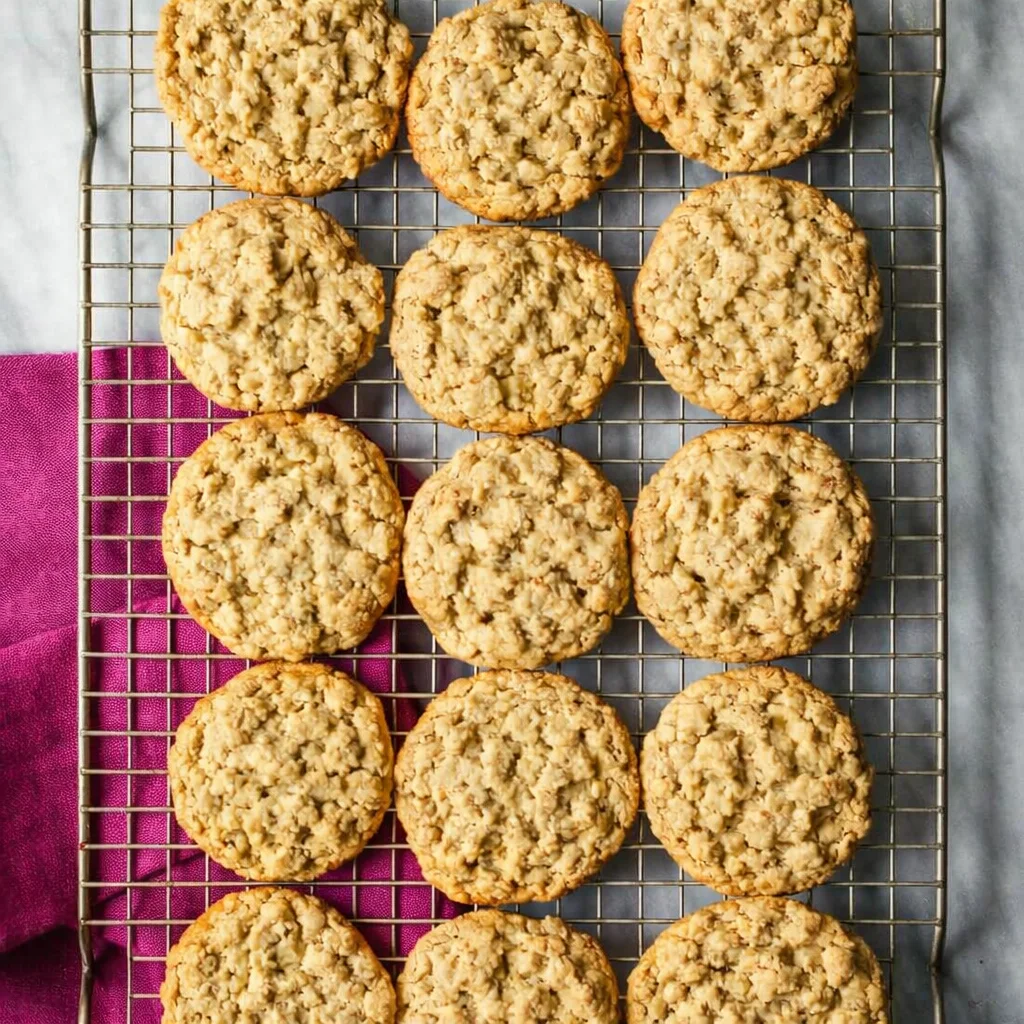
- Bake for 10–12 minutes until edges are golden but centers remain soft.
Pro Tip: Pull cookies from the oven when the centers look slightly underbaked; residual heat finishes cooking without drying them out.
Texture Variables: How to Customize Your Cookies
One advantage of mastering the Best Chewy Oatmeal Cookies method is flexibility. Small adjustments can produce different textures.
- For crispier edges: Increase white sugar slightly.
- For thicker cookies: Chill dough for 20 minutes.
- For ultra-soft cookies: Add one extra egg yolk.
Understanding these variables helps prevent common problems like flat or cakey oatmeal cookies.
Troubleshooting Guide (People Also Ask)
Why are my oatmeal cookies flat?
Yes, flat cookies usually mean the butter was too warm or there wasn’t enough flour. Measure flour accurately and allow melted butter to cool slightly before mixing.
Why are my oatmeal cookies cakey?
Yes, too many eggs or too much flour can make cookies fluffy rather than chewy. Stick to the recommended ratios for the Best Chewy Oatmeal Cookies texture.
Can I use quick oats instead of rolled oats?
Yes, you can substitute quick oats, but the cookies will be softer and less textured compared to traditional old fashioned oatmeal cookies.
Do you need to chill oatmeal cookie dough?
No, you do not need to chill this dough because the high oat content stabilizes the structure and limits excessive spreading during baking.
How do I keep oatmeal cookies soft?
Yes, store cookies in an airtight container with a slice of bread. The bread releases moisture, keeping the cookies chewy for days.
The Maillard Reaction and Perfect Browning
The golden color and rich flavor of the Best Chewy Oatmeal Cookies come from the Maillard reaction, where sugars and proteins react under heat. Dark brown sugar accelerates this process, producing deeper caramel notes without overbaking.
Storage and Make-Ahead Tips
- Store baked cookies at room temperature for up to 5 days.
- Freeze dough balls for up to 3 months and bake directly from frozen.
- For meal prep baking, portion dough ahead and refrigerate overnight to enhance flavor development.
Final Thoughts
Mastering the Best Chewy Oatmeal Cookies is about understanding variables rather than memorizing one rigid recipe. By adjusting butter temperature, sugar ratios, and oat hydration, you gain full control over texture and flavor. Whether you want a classic soft oatmeal cookie recipe or slightly crisp old fashioned oatmeal cookies, this master method gives you the flexibility to bake with confidence every time.
Chewy Oatmeal Cookie: Why This is the Last Recipe You’ll Need
Course: Breakfast, DessertsCuisine: AmericanServings
4
servingsPrep time
12
minutesCooking time
27
minutesCalories
120
kcalIngredients
1 cup unsalted butter, softened
1 cup brown sugar
1/2 cup granulated sugar
2 large eggs
1 tsp vanilla extract
1 1/2 cups all-purpose flour
1 tsp baking soda
1/2 tsp salt
1 tsp cinnamon
3 cups rolled oats
Directions
- Preheat oven to 180°C / 350°F and line a baking sheet with parchment paper.
- Cream butter, brown sugar, and granulated sugar until light and fluffy.
- Add eggs and vanilla extract, mixing until combined.
- In a separate bowl, whisk flour, baking soda, salt, and cinnamon.
- Gradually mix dry ingredients into the wet mixture.
- Fold in rolled oats until evenly distributed.
- Scoop tablespoon-size portions of dough onto the baking sheet.
- Bake for about 10–12 minutes until edges are golden.
- Let cookies cool slightly before transferring to a rack.