The Best Fluffy Pancakes recipe you will fall in love with. Full of tips and tricks to help you make the best pancakes.

Shrimp Boil Guide: Times, Seasonings & Science
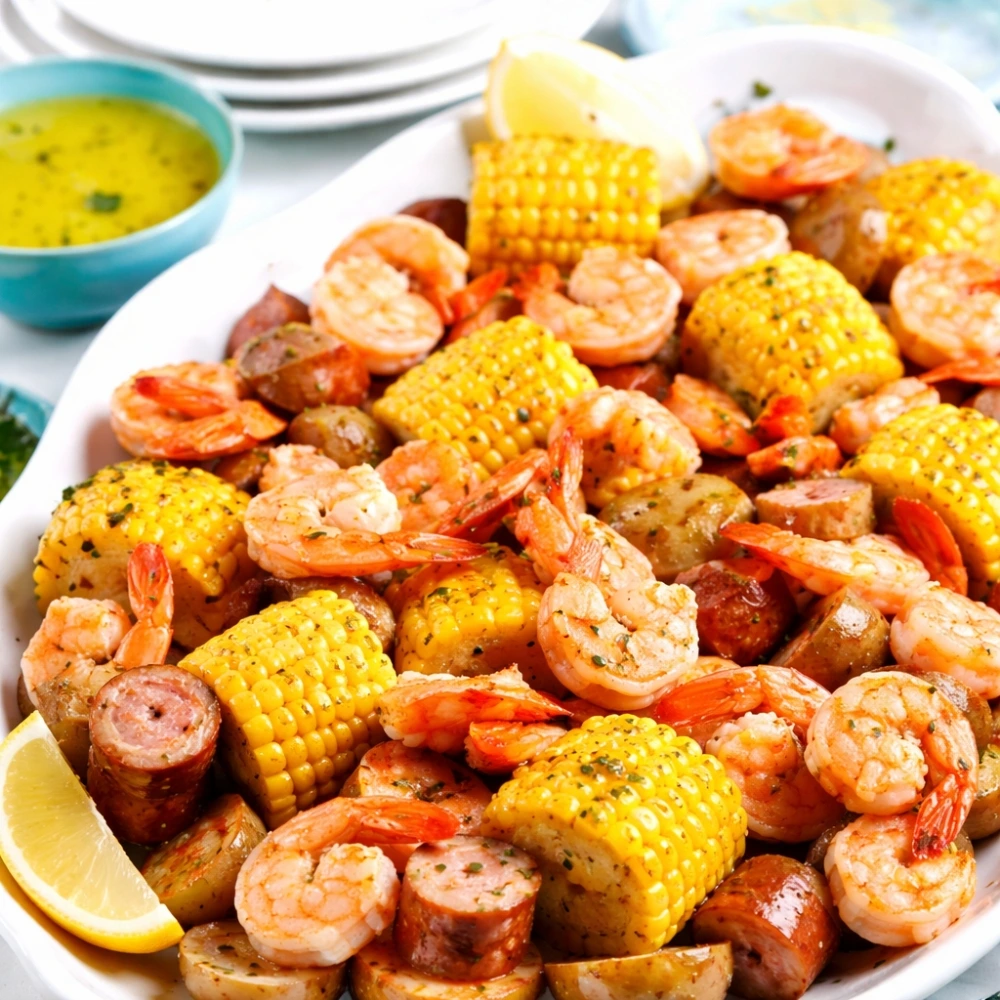
A perfect shrimp boil delivers tender, flavorful seafood alongside perfectly cooked vegetables in a single pot of aromatic broth. The key lies in precise timing, strategic seasoning, and understanding the science behind staggered cooking—ensuring nothing turns rubbery while maximizing flavor absorption through post-boil soaking techniques.
Quick Reference: Essential Boil Times
| Ingredient | Cooking Time | Internal Temp |
|---|---|---|
| Small Red Potatoes | 15-18 minutes | 210°F |
| Corn on the Cob | 7-8 minutes | 165°F |
| Andouille Sausage | 5-6 minutes | 160°F |
| Jumbo Shrimp (Shell-on) | 2-3 minutes | 120°F |
| Post-Boil Soak | 8-10 minutes | N/A |
Why Most Shrimp Boils Fail (And How to Fix Them)
After analyzing dozens of traditional shrimp boil recipes, I’ve identified three critical mistakes home cooks consistently make: under-seasoning the cooking liquid, ignoring temperature recovery time, and pulling everything out too quickly without allowing flavor absorption.
The problem? Most recipes treat shrimp boil like pasta—boil everything together, drain, and serve. The reality is more nuanced.
Building the Perfect Broth Foundation
The Science of Flavor Extraction
Your cooking liquid isn’t just water—it’s a flavor delivery system. While basic recipes call for plain water, professional seafood boils use a carefully balanced base that enhances rather than dilutes the natural sweetness of shrimp.
My recommended broth formula:
- 1 gallon water
- 12 oz light lager beer (creates maltiness and helps proteins tenderize)
- Juice of 3 lemons (acidity brightens flavors)
- ¼ cup kosher salt (critical for seasoning penetration)
- 2 bay leaves
- 1 tablespoon black peppercorns
The beer contains enzymes that gently break down proteins, while the lemon juice provides acidity that balances the richness. Most importantly, the salt concentration should mimic seawater—approximately 3.5% salinity. This prevents your seafood from releasing moisture and becoming mushy.
The Ingredient Selection: Quality Matters
Choosing Your Shrimp
Jumbo Gulf Shrimp (16-20 count, shell-on) are ideal for boiling. Here’s why the shells matter: they contain chitin and glutamates that leach into the broth, creating a naturally savory base. Peeled shrimp lose flavor faster and overcook more easily.
When selecting shrimp, look for:
- Firm texture with minimal “give”
- Clean ocean smell (never ammonia)
- Translucent gray color with minimal black spotting
The Supporting Cast
Small red potatoes hold their shape better than russets and have a naturally buttery flavor that complements seafood. Cut larger ones in half for uniform cooking.
Fresh corn should be shucked and cut into 3-inch segments. The natural sugars caramelize slightly during boiling, adding unexpected sweetness.
Andouille sausage introduces smoky, spicy notes that infuse throughout the pot. Quarter the links lengthwise before slicing for maximum surface area exposure.
The Staggered Drop Method: Timing is Everything
Here’s where science meets technique. When you add cold ingredients to boiling water, the temperature drops—sometimes by 20-30 degrees. This affects cooking times dramatically.
Step-by-Step Process
Step 1: Bring your seasoned broth to a rolling boil (212°F at sea level). Don’t start adding ingredients until you see aggressive bubbling.
Step 2: Add potatoes first. They take longest and can handle temperature fluctuations. Return to boil and cook for 10 minutes.
Step 3: Add corn and sausage. Wait for the boil to resume (about 2 minutes), then cook for 5 minutes.
Step 4: The shrimp moment. This is where precision matters. Add your shrimp and immediately start a timer. Cook for exactly 2-3 minutes depending on size. Jumbo shrimp need 3 minutes; large need 2 minutes.
Pro tip: The shrimp are done when they just turn pink and start to curl into a “C” shape. If they curl into an “O,” they’re overcooked and will have a rubbery texture.
The Secret Weapon: Post-Boil Soaking
This is the step that separates amateur boils from professional results. Immediately cut the heat when shrimp are done, but don’t drain yet.
Let everything sit in the hot (not boiling) liquid for 8-10 minutes. During this soak:
- Shrimp absorb seasoning without overcooking
- Potatoes finish cooking through residual heat
- Flavors meld and intensify
The liquid temperature drops to approximately 180-190°F—hot enough to continue flavor transfer but not hot enough to toughen proteins.
Seasoning Strategies: Beyond Old Bay
Store-Bought vs. Homemade Blends
| Seasoning | Flavor Profile | Best For |
|---|---|---|
| Old Bay | Celery salt forward, mild heat | Traditional Maryland-style |
| Zatarain’s | Cayenne-heavy, assertive | Spicy Louisiana boils |
| Homemade Cajun | Customizable heat & aromatics | Maximum control |
My homemade blend recipe:
- 3 tablespoons paprika
- 2 tablespoons garlic powder
- 2 tablespoons onion powder
- 1 tablespoon cayenne pepper
- 1 tablespoon dried oregano
- 1 tablespoon dried thyme
- 1 tablespoon black pepper
- 2 teaspoons celery salt
Mix thoroughly and add ¼ cup to your broth. Store extras in an airtight container for up to 6 months.
Troubleshooting Common Problems
Q: Why is my shrimp boil bland?
Most people make the critical error of under-salting the water. Your cooking liquid should taste almost too salty on its own—like the ocean. The ingredients absorb only a fraction of that seasoning. Additionally, ensure you’re using the post-boil soak technique to allow flavor penetration.
Q: How do I prevent rubbery shrimp?
Rubbery texture comes from overcooking or cooking at too low a temperature. Maintain a vigorous boil when the shrimp go in, use a timer religiously, and remove them at the first sign of the “C” curl. The carryover cooking during the soak will finish them perfectly.
Q: Can I use frozen shrimp?
Yes, but thaw them completely first. Frozen shrimp will drop the water temperature dramatically and create uneven cooking. Thaw in the refrigerator overnight or in a bowl of cold water for 30 minutes.
Method Variations: Beyond the Pot
Grilled Shrimp Boil
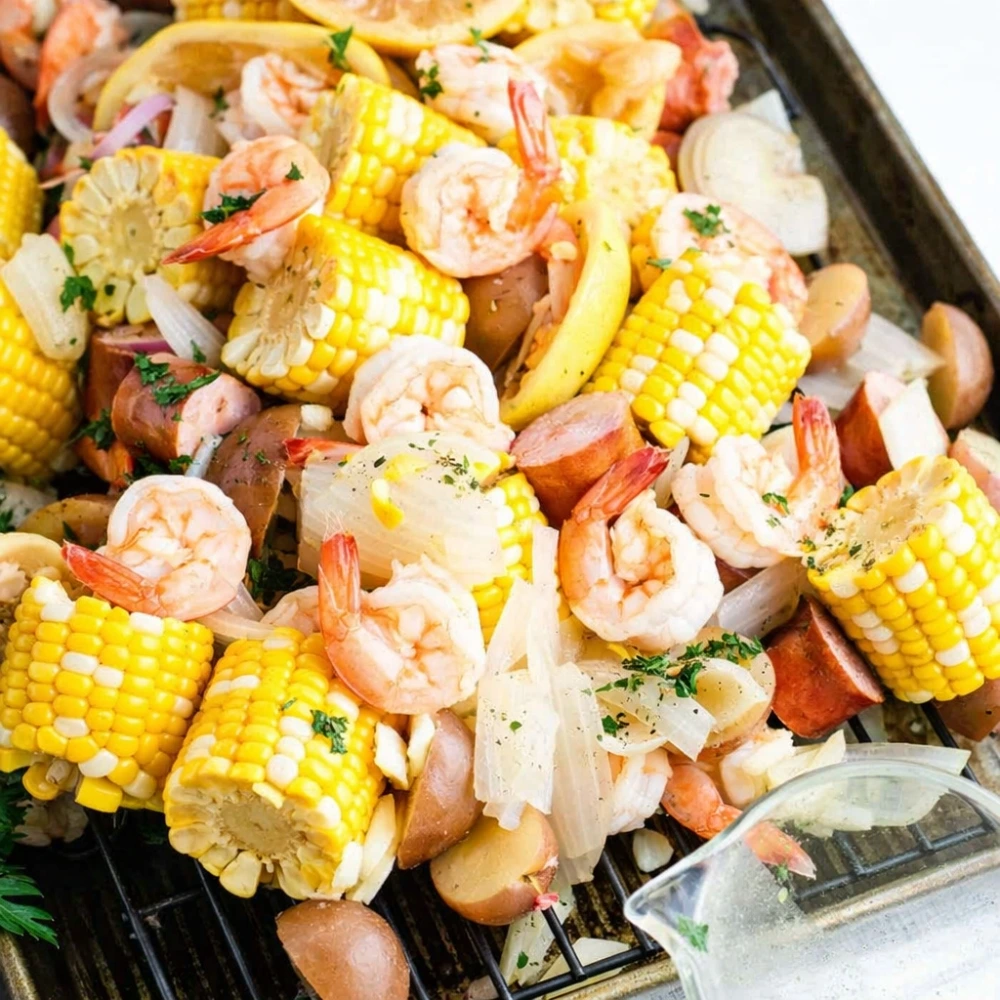
For a smoky twist, parboil potatoes for 8 minutes, then transfer everything to a large foil pan on the grill. Add shrimp last and cook over medium-high heat (375-400°F) for 5-7 minutes, stirring once.
Instant Pot Adaptation
| Method | Prep Time | Cook Time | Texture Result |
|---|---|---|---|
| Stovetop | 5 minutes | 25 minutes | Traditional, best flavor infusion |
| Instant Pot | 5 minutes | 12 minutes | Faster, slightly less broth flavor |
| Grill | 10 minutes | 20 minutes | Smoky, charred vegetables |
Instant Pot Instructions:
- Add all ingredients except shrimp
- Cook on high pressure for 4 minutes
- Quick release, add shrimp
- Seal and let sit for 5 minutes (no pressure)
Serving & Presentation
Drain your boil and spread everything onto a large newspaper-covered table for authentic presentation. Serve with:
- Melted butter with garlic and parsley
- Cocktail sauce with fresh horseradish
- Lemon wedges
- Hot sauce for heat lovers
The Bottom Line
A perfect shrimp boil isn’t complicated—it just requires attention to timing, proper seasoning, and understanding how heat affects different ingredients. By using the staggered drop method and incorporating the post-boil soak, you’ll achieve tender shrimp, creamy potatoes, and corn that actually tastes like something beyond “hot and wet.”
Start with quality ingredients, season aggressively, time precisely, and let science work in your favor. The difference between a mediocre boil and an unforgettable one comes down to these fundamental techniques.
Ready to level up your seafood game? Check out our guide to Homemade Cajun Seasoning for a custom blend that puts store-bought versions to shame, or explore The Best Dipping Sauces for Shrimp Boil to complete your feast.
Expert Insight
“The biggest mistake home cooks make is treating shrimp like chicken—they overcook it thinking they need to reach a certain temperature. Shrimp is done the moment it turns opaque. The carryover heat will do the rest.” — Chef Paul Prudhomme, Louisiana Kitche
Shrimp Boil Guide: Times, Seasonings & Science
Course: Dinner, LunchCuisine: AmericanServings
6
servingsPrep time
15
minutesCooking time
25
minutesCalories
480
kcalIngredients
1.25 kg (2.75 lb) baby red potatoes, halved if large
4 ears corn, cut into 3–4 pieces each
450 g (1 lb) smoked sausage (andouille or kielbasa), sliced (optional but classic)
1 large onion, quartered
6 cloves garlic, smashed
2 lemons (1 halved for the boil, 1 cut in wedges for serving)
3 bay leaves
1/4 cup Old Bay (or similar seafood seasoning), plus more to taste
1 tbsp kosher salt (adjust to taste)
1 tsp cayenne or chili flakes (optional, for heat)
2.2 kg (5 lb) large raw shell-on shrimp (21–25 count), deveined
6 tbsp unsalted butter, melted
Fresh parsley, chopped, for garnish
Directions
- Make the seasoned boil: Fill a very large pot with 4–5 liters (about 1–1.25 gal) water. Add onion, garlic, bay leaves, Old Bay, salt, cayenne (if using), and 1 lemon (halved and squeezed, then toss the halves in). Bring to a rolling boil.
- Cook potatoes: Add potatoes. Boil 10–12 minutes until just fork-tender.
- Add corn & sausage: Stir in corn and sausage. Boil 5–7 minutes until corn brightens and sausage is heated through.
- Cook shrimp (last): Add shrimp. Boil 2–3 minutes, just until pink and opaque. Do not overcook.
- Drain & finish: Drain immediately. Discard bay leaves and lemon halves. Transfer everything to a large tray or clean paper-lined table. Drizzle with melted butter, squeeze over the second lemon, and dust with a little extra Old Bay.
- Garnish & serve: Sprinkle parsley. Serve hot with lemon wedges, crusty bread, and your favorite dipping sauces. Enjoy!