The Best Fluffy Pancakes recipe you will fall in love with. Full of tips and tricks to help you make the best pancakes.

Steak Seasoning Guide: The 4-2-1 Formula (Better Than Montreal)
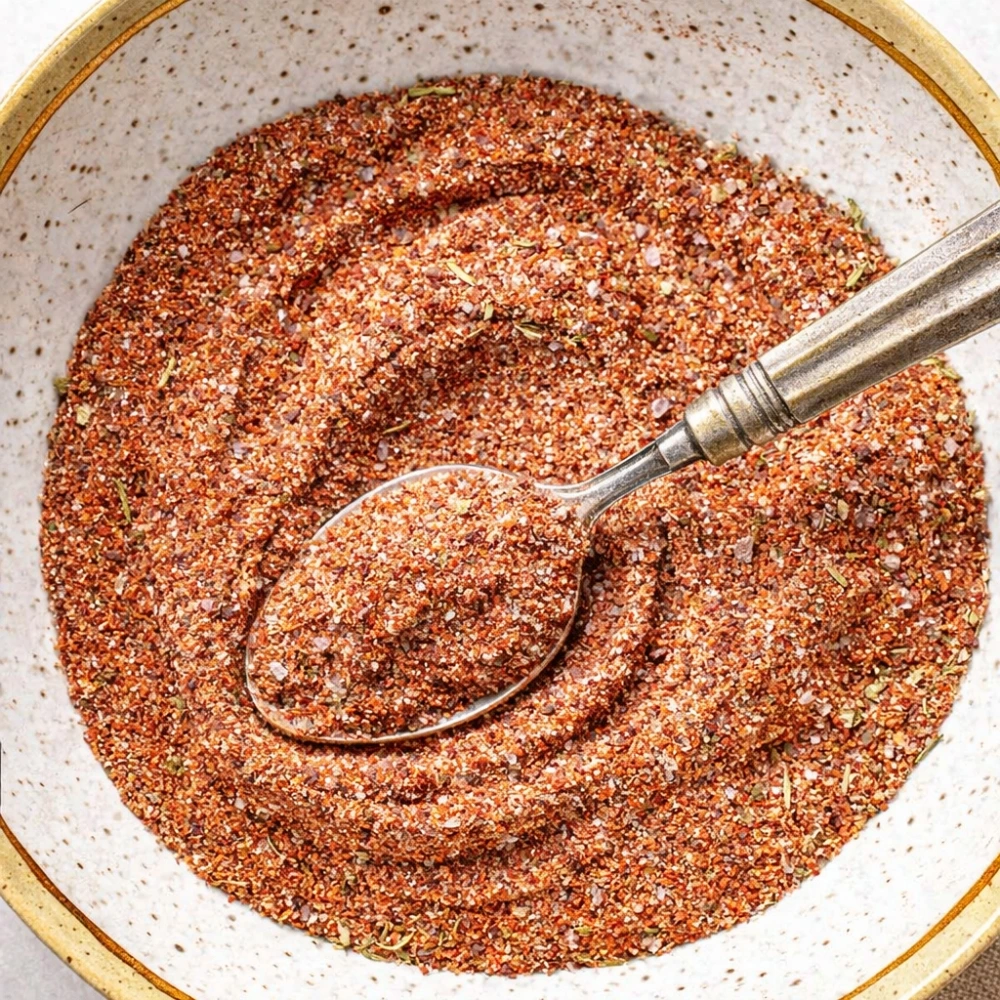
The Master Ratio
The secret to perfect steak seasoning isn’t a secret ingredient—it’s the ratio. The professional standard is the 4:2:1 method: 4 parts coarse salt, 2 parts black pepper, 1 part garlic powder, and 1 part onion powder. This homemade steak rub formula gives you restaurant-quality results every single time, whether you’re grilling a ribeye or pan-searing a strip.
This ratio works for any quantity. Making a tablespoon? Use 2 tsp salt, 1 tsp pepper, ½ tsp garlic, ½ tsp onion. Preparing a jar? Scale it up proportionally. That’s the beauty of working with ratios rather than rigid recipes.
Why Homemade Beats Store-Bought Every Time
Before we dive into the three flavor variations, let’s look at the numbers. Making your own best dry rub for steak isn’t just about control—it’s about value and health.
| Factor | Homemade (4:2:1) | Montreal Steak | McCormick Grill Mates |
|---|---|---|---|
| Cost Per Ounce | $0.15 | $1.20 | $1.50 |
| Sodium (per tsp) | 580mg (controllable) | 920mg | 850mg |
| MSG/Fillers | Zero | Silicon dioxide, extractives | Modified corn starch |
| Customizability | Infinite | None | None |
| Freshness | Made fresh | Months on shelf | Unknown age |
Bottom line: Your homemade version costs 10x less and contains zero fillers compared to commercial brands. Plus, you control exactly what goes into your seasoning—crucial if you’re following a keto steak seasoning plan or watching sodium intake.
The Three Pillars of Flavor: Choose Your Style
The genius of the 4:2:1 base is its versatility. Start with the foundation, then customize based on your taste preferences and cooking method.
The Purist (The Classic Base)
When to use: When you want the beef to be the star, or when you’ve invested in premium, well-marbled cuts.
The formula:
- 4 tsp coarse kosher salt
- 2 tsp coarsely ground black pepper
- 1 tsp garlic powder
- 1 tsp onion powder
This is your go-to for high-quality ribeyes, strips, and filets. The simplicity lets the natural beef flavor shine while the aromatics add depth without distraction.
The Steakhouse (Maximum Umami)
When to use: When you want that expensive steakhouse crust and deep, savory complexity.
The formula (4:2:1 + umami boosters):
- 4 tsp coarse kosher salt
- 2 tsp black pepper
- 1 tsp garlic powder
- 1 tsp onion powder
- 1 tsp smoked paprika
- ½ tsp finely ground coffee OR mushroom powder
Here’s the secret weapon: Coffee or mushroom powder adds earthy umami without making your steak taste like breakfast or a portobello. The compounds amplify the beef’s natural savoriness through a process called the Maillard reaction. This is the variation that makes people say, “What’s IN this?”
The Herb Garden (For Butter Basters)
When to use: When you’re finishing with compound butter or want a French bistro vibe.
The formula (4:2:1 + herbs):
- 4 tsp coarse kosher salt
- 2 tsp black pepper
- 1 tsp garlic powder
- 1 tsp onion powder
- 1 tsp dried thyme
- 1 tsp dried rosemary (crushed fine)
The herbs bloom beautifully when you baste with butter in the final minutes of cooking. This pairs exceptionally well with bone-in cuts like tomahawks or porterhouses.
The Science of Salt: Why Diamond Crystal ≠ Morton’s
Here’s where most recipes fail you: not all kosher salt is created equal. This matters more than you think.
Diamond Crystal has a hollow pyramid structure—it’s lighter and flakier. One teaspoon contains about 1,800mg sodium.
Morton’s Kosher Salt is denser with tighter crystals. One teaspoon contains about 2,360mg sodium—that’s 30% more.
The solution? Always specify your salt type, or better yet, measure by weight if precision matters. For the 4:2:1 formula, I recommend Diamond Crystal because its texture adheres better to meat and provides more control.
When to Season: The 40-Minute Rule
You’ve probably heard conflicting advice. Here’s the science:
Season immediately before cooking OR 40 minutes before. Never in between.
Why? When salt first hits meat, it draws moisture to the surface through osmosis. If you cook immediately, that moisture quickly evaporates, leaving concentrated seasoning. If you wait just 5-15 minutes, you’re cooking through that wet layer—resulting in steaming rather than searing.
But if you wait 40+ minutes? The salt dissolves, gets reabsorbed, and seasons the meat internally while the surface dries again. That’s when you get both deep flavor and a perfect crust.
Best Seasoning for Every Cooking Method
Your steak seasoning needs change based on how you’re cooking. Here’s how to adapt the 4:2:1 formula:
Grilled Steak
Adjustment: Use coarser grind on everything. The higher heat and longer exposure mean finer particles can burn and turn bitter. Coarse black pepper (butcher grind) and coarse salt create a peppercorn crust without acrid notes.
Pan-Seared (Cast Iron)
Adjustment: Use standard grind or slightly finer. With direct metal contact, you want maximum surface adhesion. Some pros even use a coffee grinder to powder their black pepper for maximum crust coverage—the moisture and oil in the pan prevents burning.
Air Fryer Steak
Adjustment: Mix your dry rub with 1 tsp of oil per steak before applying. Air fryers are essentially high-powered convection ovens—the circulating air can literally blow dry seasoning off your meat. A light oil coat acts as adhesive and promotes better browning.
Sous Vide (Then Seared)
Adjustment: Season after the water bath, just before searing. Salt in the bag can cure the meat and create a ham-like texture. Save the 4:2:1 formula for the post-bath sear when you’re developing the crust.
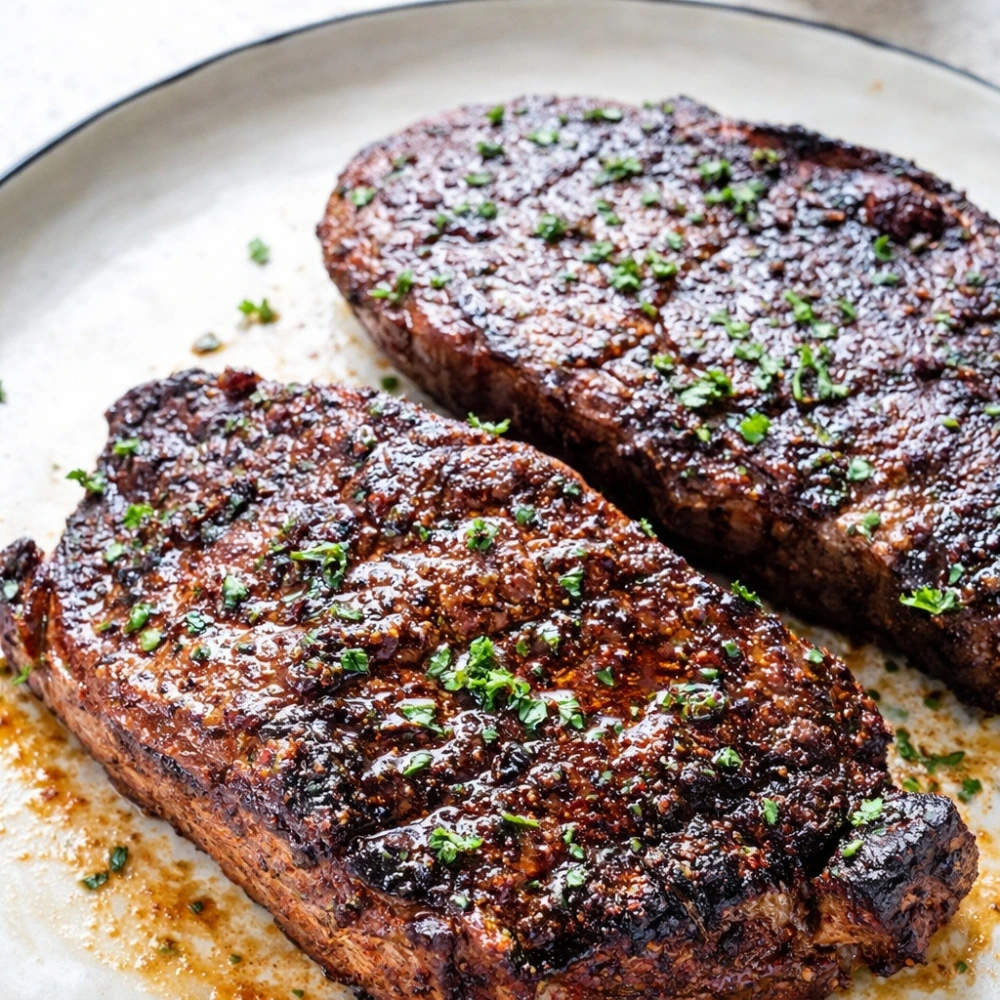
FAQ: Your Steak Seasoning Questions Answered
What is the difference between steak seasoning and burger seasoning?
Sugar content. Burger seasonings often include brown sugar or paprika for caramelization since ground meat develops crust differently than whole muscle cuts.
Can I use taco seasoning on steak?
Yes, but cumin dramatically changes the flavor profile toward Southwestern/Mexican. It works beautifully for fajita-style preparations but will overpower a traditional steakhouse experience.
How long does homemade seasoning last?
Six months in an airtight glass jar stored in a cool, dark place. The garlic and onion powder will lose potency before the salt and pepper degrade. Make small batches for peak freshness.
Should I add brown sugar for caramelization?
Only if grilling over high heat for extended periods. For quick, hot sears (cast iron or grill), sugar burns before it caramelizes. The natural sugars in meat provide enough browning through the Maillard reaction.
Is this keto-friendly?
Absolutely. This keto steak seasoning contains zero carbs from sugar or fillers—just pure spices and salt. Check labels on store-bought versions; many sneak in dextrose or maltodextrin.
Making It Your Own: Flavor Add-Ins
Once you’ve mastered the 4:2:1 base, experiment with these additions (always in small amounts—¼ to ½ tsp per batch):
- Cayenne pepper – heat without changing core flavor
- Dried mustard powder – tangy, sharp brightness
- Coriander – citrusy, slightly sweet depth
- Granulated honey – natural sweetness (keto folks skip this)
- Red pepper flakes – textural heat with visual appeal
The key to any variation is balance. Your base ratio stays intact; you’re simply layering complexity on top of the foundation.
The Bottom Line
Mastering steak seasoning isn’t about memorizing a complicated recipe—it’s about understanding the 4:2:1 ratio and adapting it to your preferences and cooking method. Whether you’re a purist who wants nothing but salt and pepper or an umami enthusiast who swears by the coffee trick, this formula gives you a professional starting point.
Make a batch today. Cost? Less than $2. Time? Three minutes. Results? Better than anything you’ll buy in a bottle.
Your steaks will thank you.