The Best Fluffy Pancakes recipe you will fall in love with. Full of tips and tricks to help you make the best pancakes.

The Only Overnight Oats Recipe You Need: The “Golden Ratio,” Scientific Benefits & 5 Classic American Variations
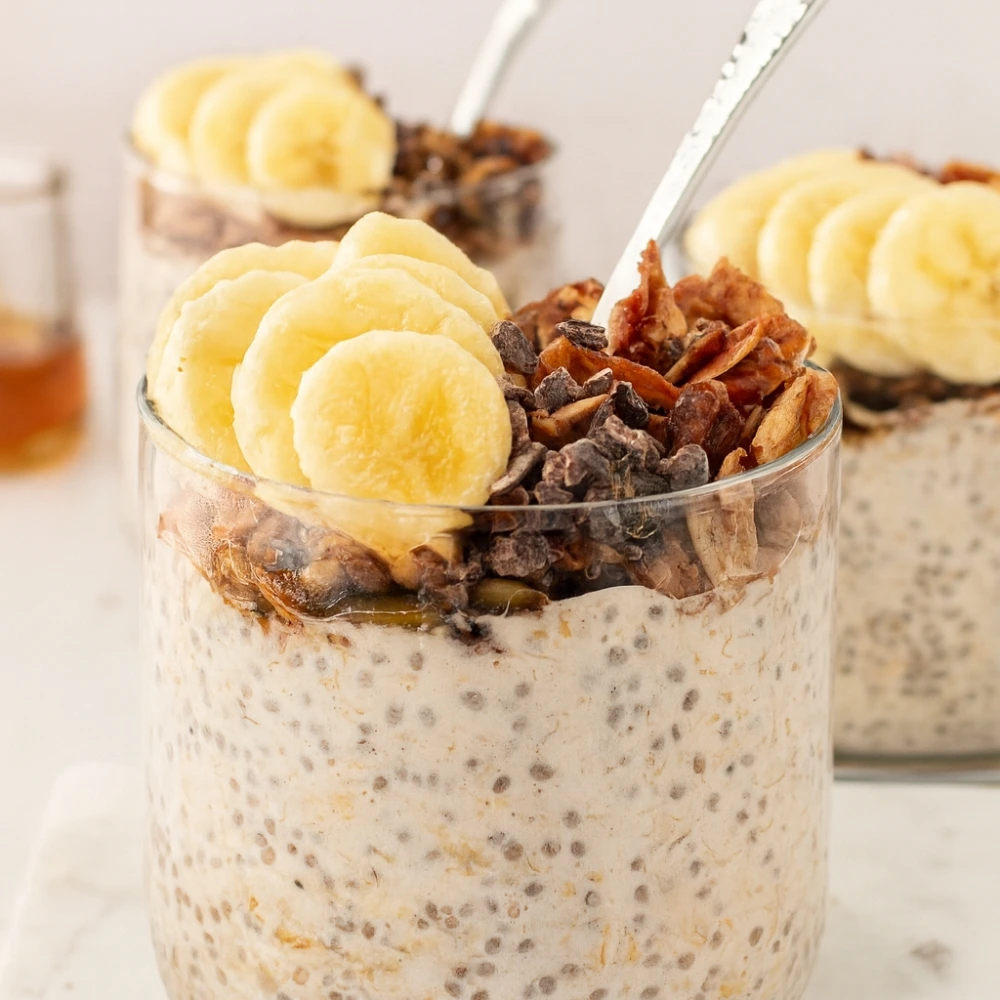
If you’ve ever woken up to a jar of mushy, watery, or disappointingly bland overnight oats, you’re not alone. The difference between a breakfast you’ll crave and one you’ll force down comes down to precision—and understanding the science behind soaking.
What Are Overnight Oats? The Definition You Need to Know
Overnight oats are a no-cook method of preparing oatmeal where raw rolled oats are soaked in liquid—typically milk, water, or yogurt—for at least 4 hours, usually overnight. This simple process does something remarkable: it breaks down phytic acid, an anti-nutrient that binds minerals in your digestive system. Research shows that properly soaked oats make nutrients like zinc and iron 50% more absorbable compared to instant oatmeal prepared with hot water.
This isn’t just convenient—it’s nutritionally superior. When you prepare a high protein overnight oats recipe with Greek yogurt or protein powder, you’re creating a complete breakfast that supports muscle recovery, sustains energy, and keeps you full until lunch.
The “Golden Ratio” Calculator: Your 2025 Standard Protocol
Forget the guesswork. The perfect texture for your overnight oats depends on your personal preference, and I’ve tested dozens of combinations to bring you this definitive guide.
| Texture Preference | Oats | Liquid (Milk/Water) | Yogurt (Optional) |
|---|---|---|---|
| Thick (Pudding-like) | ½ Cup | ½ Cup | ¼ Cup |
| Creamy (Standard) | ½ Cup | ⅔ Cup | 2 tbsp |
| Runny (Drinkable) | ½ Cup | 1 Cup | None |
Pro Tip: The overnight oats ratio isn’t one-size-fits-all. Start with the “Creamy Standard” formula and adjust from there. Using rolled oats (not quick oats) is essential—they hold their structure during the soaking process without turning to mush.
Basic High Protein Overnight Oats Recipe
Ingredients:
- ½ cup rolled oats
- ⅔ cup milk (dairy or plant-based)
- 2 tbsp Greek yogurt
- 1 tbsp chia seeds (adds 4g protein + omega-3s)
- 1 tsp honey or maple syrup
- ½ tsp vanilla extract
- Pinch of salt
Instructions:
- Combine all ingredients in a mason jar or airtight container
- Stir thoroughly to ensure no dry pockets remain
- Seal and refrigerate for minimum 4 hours (overnight is ideal)
- In the morning, stir, add toppings, and enjoy cold or warm
Nutrition per serving: Approximately 300 calories, 12g protein, 6g fiber
5 Classic American Variations: Flavors You’ll Love
These popular variations bring variety to your breakfast routine with familiar, delicious flavor combinations that never get old.
Variation 1: “Peanut Butter & Banana”
The ultimate protein-packed classic:
- Stir in 2 tbsp natural peanut butter
- Add ½ sliced banana
- Top with banana coins, crushed peanuts, and a drizzle of honey
- Optional: sprinkle with dark chocolate chips
Variation 2: “Apple Cinnamon”
Perfect for fall mornings:
- Mix in ½ diced apple (Granny Smith or Honeycrisp)
- Add 1 tsp cinnamon and ¼ tsp nutmeg
- Stir in 1 tbsp chopped walnuts or pecans
- Top with more diced apples and a sprinkle of brown sugar
Variation 3: “Blueberry Vanilla”
A refreshing antioxidant powerhouse:
- Add ⅓ cup fresh or frozen blueberries
- Increase vanilla extract to 1 tsp
- Mix in 1 tbsp almond butter
- Top with additional blueberries, sliced almonds, and lemon zest
Variation 4: “Chocolate Peanut Butter Cup”
For those who want dessert for breakfast:
- Mix in 1 tbsp cocoa powder
- Add 2 tbsp chocolate protein powder
- Swirl in 1 tbsp peanut butter
- Top with mini chocolate chips, peanuts, and a peanut butter drizzle
Variation 5: “Strawberries & Cream”
Light, sweet, and satisfying:
- Use vanilla yogurt instead of plain Greek yogurt
- Add ⅓ cup diced fresh strawberries
- Mix in ½ tsp vanilla extract
- Top with more strawberries, granola, and whipped cream (optional)
The Science of Soaking: Why This Matters (It’s Not Just About Time)
The overnight oats recipe isn’t just about convenience—there are legitimate health benefits of soaking oats that make this preparation method superior to instant oatmeal packets.
Why You Should Soak Your Oats
Better Digestion Soaking initiates the germination process, which produces enzymes that help break down proteins and starches. This means your body can digest the oats more easily, reducing bloating and discomfort.
Lower Glycemic Response Soaked oats have a lower glycemic index than cooked instant oatmeal. The resistant starch formed during soaking slows glucose absorption, preventing blood sugar spikes and subsequent energy crashes.
Increased Mineral Absorption Phytic acid acts as a mineral “blocker” in your digestive system. By soaking oats for 8-12 hours, you reduce phytic acid content by up to 70%, allowing your body to absorb more calcium, magnesium, iron, and zinc from both the oats and any toppings you add.
Enhanced Protein Availability When you create high protein overnight oats with yogurt or protein powder, the soaking process helps pre-digest some proteins, making amino acids more bioavailable for muscle synthesis.
Citation-Worthy Stat: According to food science research, overnight soaking at refrigerator temperature (4°C) achieves optimal phytic acid reduction while preventing bacterial growth, making it both the safest and most nutritious preparation method for raw oats.
Troubleshooting FAQ: Your Questions Answered
Can I use “Quick Oats” for this recipe?
No. Quick oats are pre-cut and steam-treated, which means they’ll turn to complete mush when soaked overnight. Always use rolled oats (old-fashioned oats) for proper texture retention. Steel-cut oats work too, but they require longer soaking time.
How long do overnight oats last in the fridge?
4-5 days maximum. This makes them perfect for meal prep. Prepare 5 jars every Sunday evening for a grab-and-go healthy breakfast throughout your busy workweek.
Can I heat them up?
Absolutely! If you prefer warm oatmeal, especially during winter mornings, simply microwave your overnight oats for 60-90 seconds. They’ll maintain their creamy texture while providing that comforting warmth.
What’s the best milk to use?
Any milk works—dairy, almond, oat, soy, or coconut. For the creamiest texture and highest protein content, choose whole milk or oat milk. For a high protein overnight oats bowl, Greek yogurt contributes more protein than any milk alternative.
Do I need to add chia seeds?
While optional, chia seeds add thickness, 4g of protein per tablespoon, omega-3 fatty acids, and help achieve that perfect pudding-like consistency. They’re worth including if texture matters to you.
Can I make a week’s worth at once?
While oats stay fresh for 4-5 days, I don’t recommend preparing more than that. The texture degrades after day 5, and ingredients like fresh fruit will deteriorate. Stick to Sunday and Wednesday batch prep sessions.
Are overnight oats gluten-free?
Oats are naturally gluten-free, but they’re often processed in facilities that handle wheat. If you have celiac disease or gluten sensitivity, look for certified gluten-free oats to avoid cross-contamination.
Can I use water instead of milk?
Yes, but the result will be less creamy and lower in protein. If you use water, consider adding extra Greek yogurt or a scoop of protein powder to maintain nutritional value and improve texture.
Final Tips for Overnight Oats Success
Storage: Always use airtight containers or mason jars with tight-fitting lids. This prevents oxidation and keeps your oats fresh longer.
Layering Strategy: Add toppings like nuts, granola, or fresh fruit just before eating to maintain their texture and crunch.
Sweetener Options: Natural sweeteners like honey, maple syrup, or mashed banana work best. Start with less than you think you need—you can always add more in the morning.
Prep Time: 5 minutes of evening prep gives you 5 days of effortless mornings. That’s a time investment that pays dividends in health and convenience.
Portion Control: One jar equals one serving. Pre-portioning helps with consistent nutrition and makes grab-and-go breakfasts even easier.
Ready to Transform Your Mornings?
The overnight oats recipe revolution isn’t just a trend—it’s a scientifically backed method for preparing more nutritious, digestible, and convenient breakfasts. Whether you’re drawn to the classic peanut butter banana version or excited to try the indulgent chocolate peanut butter cup variation, the “golden ratio” formula ensures success every time.
Start with the basic overnight oats ratio, experiment with the five variations above, and discover which combination makes you excited to wake up. Your body (and your morning routine) will thank you.
What’s your favorite overnight oats combination? Share your go-to recipes in the comments below!
The Only Overnight Oats Recipe You Need: The “Golden Ratio,” Scientific Benefits & 5 Classic American Variations
Course: Breakfast, DessertsCuisine: AmericanServings
2
servingsPrep time
10
minutesCooking time
00
minutesCalories
350
kcalIngredients
1 cup (90 g) rolled oats (old-fashioned)
1 cup (240 ml) milk (dairy or unsweetened almond/oat)
1/2 cup (120 g) plain Greek yogurt (optional for extra protein)
1 tbsp (12 g) chia seeds
1–2 tbsp (15–30 ml) maple syrup or honey, to taste
1/2 tsp vanilla extract
Pinch of salt
Toppings (optional): fresh berries, sliced banana, nut butter, nuts/seeds, cinnamon
Directions
- In a bowl or directly in two jars, combine oats, milk, yogurt, chia, sweetener, vanilla, and a pinch of salt.
- Stir until evenly mixed; adjust sweetness and thickness (add 1–2 tbsp milk if you prefer looser oats).
- Cover and refrigerate for at least 8 hours (overnight).
- In the morning, stir, add toppings (fruit, nut butter, nuts/seeds, cinnamon), and serve cold.
- For a grab-and-go option, divide into two jars before chilling; keep refrigerated up to 3–4 days.