The Best Fluffy Pancakes recipe you will fall in love with. Full of tips and tricks to help you make the best pancakes.

Creamy Chicken Broccoli Pasta (One-Pot & Professional Tips for a Sauce That Never Breaks)
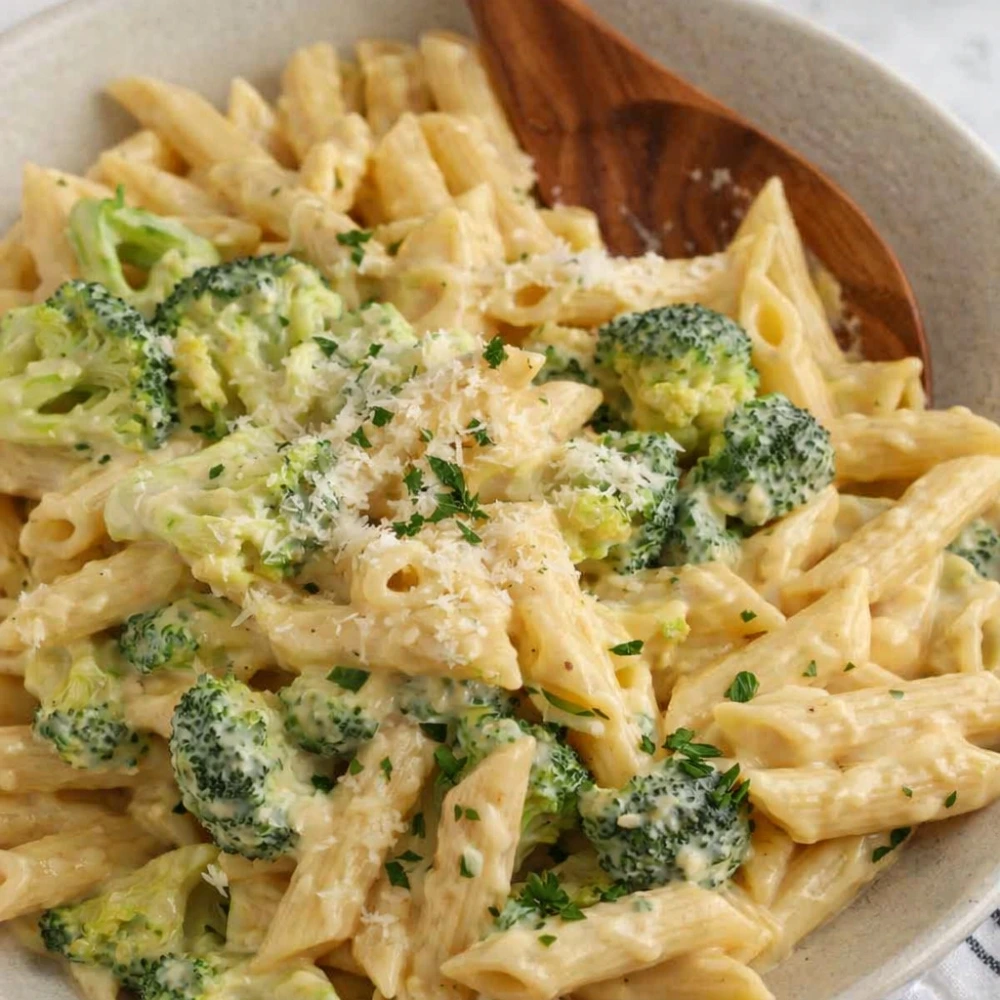
If you’ve ever ended up with a watery, broken cream sauce pooling at the bottom of your pasta bowl, you’re not alone. The difference between restaurant-quality chicken broccoli pasta and a disappointing weeknight dinner often comes down to technique, not talent. Today, I’m sharing the exact method professional chefs use to create a silky, emulsified sauce that clings to every piece of penne—plus the “vibrant green” trick that keeps your broccoli looking like it just came from the farmer’s market.
Recipe at a Glance
| Attribute | Details |
|---|---|
| Total Time | 25 minutes |
| Difficulty | Easy (beginner-friendly) |
| Key Ingredients | Chicken breast, broccoli florets, penne pasta, heavy cream, Parmesan |
| Servings | 4-6 people |
| Why This Recipe Works | We use the “Starch-Water Emulsion” technique to ensure the sauce sticks to the pasta, not the bottom of the pan. |
Why This Creamy Garlic Chicken Pasta Beats the Competition
I’ve tested dozens of one-pot pasta recipes, and most fall into the same traps: grey, overcooked broccoli, chicken that tastes like rubber, and sauces that separate faster than you can say “dinner’s ready.” Here’s what makes this version different:
The “Vibrant Green” Hack
Instead of adding broccoli at the beginning (where it turns into khaki-colored mush), we par-boil the florets in the pasta cooking water during the last 2 minutes. This preserves the chlorophyll, giving you restaurant-quality color and that perfect tender-crisp texture. The bonus? The broccoli releases some of its starch into the water, which we’ll use later to build our sauce.
The High-Protein Option
Want to make this 30-minute dinner more macro-friendly? Swap half the heavy cream for Greek yogurt. Add it off the heat to prevent curdling, and you’ll cut calories while boosting protein content by 40%. Perfect for fitness enthusiasts who refuse to sacrifice flavor.
The Science-Based Sauce Strategy
The secret to a cream sauce that never breaks? Pasta water. That cloudy, starchy liquid contains dissolved starches that act as a natural emulsifier, binding fat and water molecules together. This is the professional “liquid gold” that transforms a thin cream into a luxurious coating.
Ingredients (Decoded for Maximum Flavor)
Don’t just grab ingredients—understand why each one matters:
For the Protein:
- 1.5 lbs boneless, skinless chicken breasts (cubed into 1-inch pieces for maximum browning surface area)
The Aromatics:
- 4-5 cloves freshly minced garlic (jarred garlic loses its allicin compounds—the source of that pungent, sweet flavor)
- 2 tablespoons unsalted butter (for the initial sauté)
The Vegetables:
- 3 cups broccoli florets (fresh or frozen—see FAQ below)
The Base:
- 12 oz penne or fusilli pasta (ridged shapes capture more sauce)
- 1 cup heavy cream (or half Greek yogurt for a lighter version)
- 1 cup freshly grated Parmigiano Reggiano (aged 12+ months for superior melting and nutty complexity)
- 1/2 cup low-sodium chicken broth (or dry white wine for depth)
Seasonings:
- 1 teaspoon Italian seasoning
- 1/2 teaspoon red pepper flakes (optional heat)
- Salt and black pepper to taste
- Fresh parsley or basil for garnish
Step-by-Step Instructions (The Professional Method)
Step 1: Sear the Chicken
Heat a large, heavy-bottomed skillet over medium-high heat. Add 1 tablespoon olive oil and sear the cubed chicken in a single layer for 3-4 minutes per side until golden brown. Don’t overcrowd the pan—this causes steaming instead of browning. Remove chicken and set aside.
Step 2: Start the Pasta (Simultaneously)
Bring a large pot of salted water to a boil. Add pasta and cook for 2 minutes less than package directions. Reserve 1 cup of pasta water before draining—this is your insurance policy against a broken sauce.
Step 3: Build the Aromatic Base
In the same skillet (don’t wipe it clean—those browned bits are flavor), reduce heat to medium-low. Add butter and minced garlic. Cook for 60 seconds until fragrant but not browned. Pro tip: Starting garlic in a cold pan prevents burning.
Step 4: Deglaze and Simmer
Pour in chicken broth (or white wine), scraping up all the fond (those delicious browned bits). Let it reduce by half, about 2 minutes. Add heavy cream and bring to a gentle simmer—never a rolling boil, or the dairy will separate.
Step 5: Create the Emulsion
Reduce heat to low. Gradually whisk in Parmigiano Reggiano, allowing each addition to melt before adding more. Now comes the magic: add 1/4 cup of that reserved pasta water while stirring constantly. The starches will bind everything into a glossy, clingy sauce. Add more pasta water 1 tablespoon at a time if needed.
Step 6: The Broccoli Trick
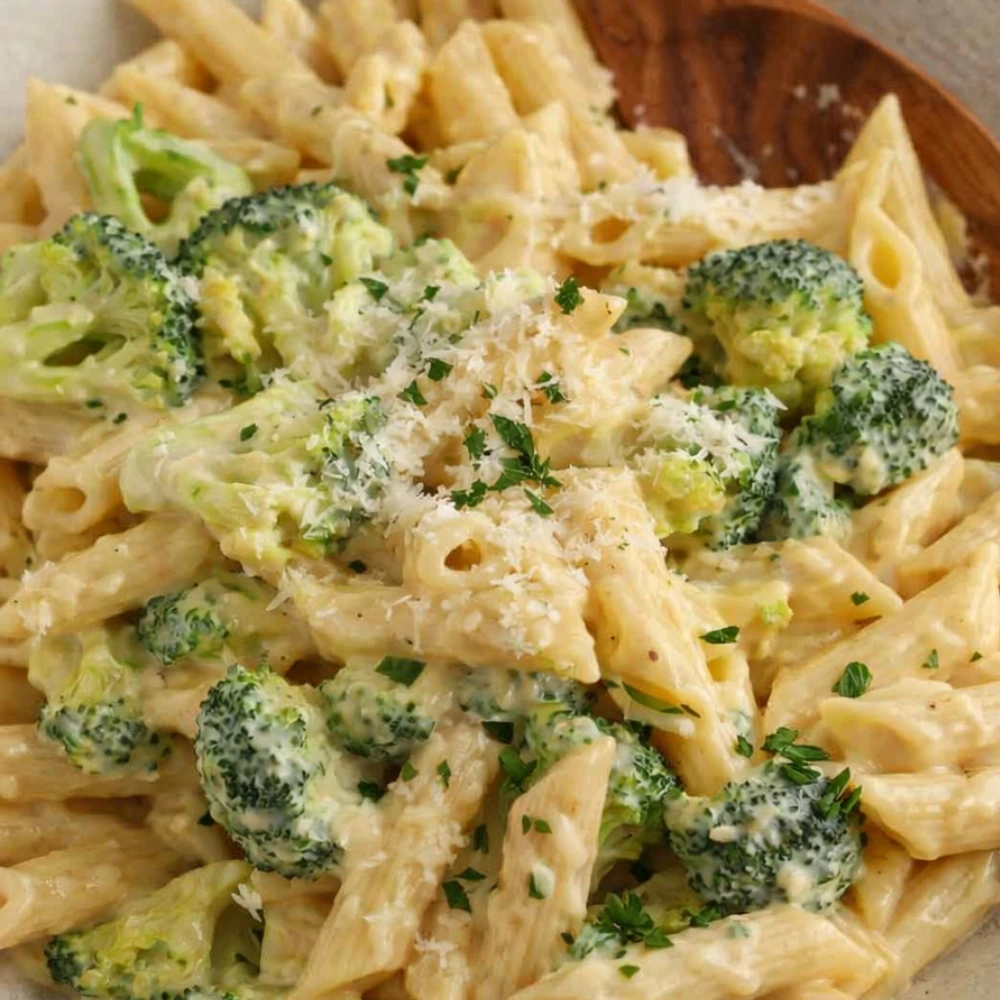
While your sauce simmers, drop broccoli florets into the boiling pasta water for the last 2 minutes of cooking. Drain together with the pasta. The brief blanch keeps broccoli vibrant green and tender-crisp.
Step 7: Combine and Finish
Return chicken to the skillet. Add drained pasta and broccoli. Toss everything together over low heat for 1-2 minutes, allowing the pasta to absorb the sauce. Season with Italian seasoning, red pepper flakes, salt, and black pepper. Garnish with fresh herbs and extra Parmesan.
Troubleshooting FAQ (Your Questions, Answered)
Q: How do I stop the cream sauce from curdling?
A: Curdling happens when cheese hits high heat. Always reduce to low before adding Parmesan, and add it gradually while stirring. If it does break, whisk in 2 tablespoons of cold pasta water to re-emulsify.
Q: Can I use frozen broccoli?
A: Absolutely. Add it 1 minute earlier than fresh (so 3 minutes before pasta is done) since frozen broccoli cooks faster. No need to thaw—just dump it straight into the boiling water.
Q: How do I reheat without the oil separating?
A: Add 2-3 tablespoons of milk or broth to the pasta before reheating. Warm slowly over medium-low heat, stirring frequently. The added liquid prevents the sauce from breaking as it heats.
Q: Can I make this ahead?
A: Cook everything except the final toss. Store components separately, then combine in a skillet with a splash of cream when ready to serve. This prevents the pasta from absorbing all the sauce during storage.
Q: What protein swaps work best?
A: Shrimp (add in the last 3 minutes), Italian sausage (pre-cooked and sliced), or even chickpeas for a vegetarian version. Adjust cooking times accordingly.
Pro Tips for Next-Level Results
- Toast your pasta: Before boiling, toast dry pasta in the empty pot for 2 minutes. This develops a nutty flavor you won’t find in ordinary recipes.
- The cold-pan garlic method: Always start garlic in cold fat and bring it up to temperature slowly. This extracts maximum flavor without bitterness.
- Upgrade your cheese: Pre-shredded Parmesan contains cellulose (an anti-caking agent) that prevents smooth melting. Grate from a block for silky results.
Nutritional Highlights & Healthy Swaps
This creamy garlic sauce delivers comfort without complete dietary destruction:
- Standard version: ~580 calories per serving (35g protein, 22g fat)
- Greek yogurt version: ~420 calories per serving (42g protein, 12g fat)
- Extra veggie boost: Add spinach, sun-dried tomatoes, or mushrooms without significantly changing macros
Final Thoughts
The difference between good chicken broccoli pasta and unforgettable chicken broccoli pasta comes down to respecting the science behind emulsification, understanding how to preserve vegetable color, and knowing exactly when to add each ingredient. Master these techniques once, and you’ll never look at a one-pot pasta recipe the same way again.
Your turn: What’s your biggest pasta sauce struggle? Drop a comment below, and I’ll troubleshoot it with you. And if you make this recipe, tag me on social—I love seeing your vibrant green broccoli wins!
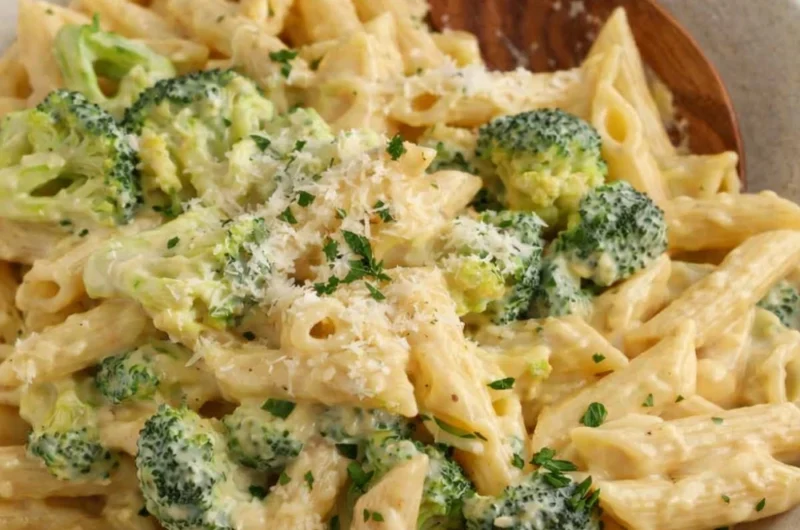
Creamy Chicken Broccoli Pasta (One-Pot & Professional Tips for a Sauce That Never Breaks)
Course: DinnerCuisine: American, ItalianServings
4
servingsPrep time
20
minutesCooking time
35
minutesCalories
520
kcalIngredients
300 g (10 oz) pasta (penne or rotini)
2 cups broccoli florets (about 200 g), bite-size
2 tbsp olive oil (or butter)
450 g (1 lb) boneless skinless chicken breast, cut into 2 cm cubes
1 tsp kosher salt, divided (to taste)
½ tsp black pepper
1 tsp garlic powder (or 3 cloves garlic, minced)
½ tsp paprika (optional)
1 cup low-sodium chicken broth
1 cup milk or half-and-half
½ cup heavy cream (optional for extra creamy)
¾ cup freshly grated Parmesan, plus more to serve
Zest of ½ lemon and 1–2 tsp lemon juice (optional, brightens)
2 tbsp chopped parsley (optional)
Red pepper flakes, to taste (optional)
Directions
- Boil pasta & broccoli: Bring a large pot of salted water to a boil. Cook pasta 2 minutes less than package directions. In the last 2 minutes, add broccoli florets. Reserve 1 cup pasta water, then drain and set aside.
- Cook chicken: While pasta cooks, heat olive oil in a large skillet over medium-high. Season chicken with ½ tsp salt, pepper, garlic powder, and paprika. Sauté 5–6 minutes until browned and cooked through. Transfer to a plate.
- Make sauce: Reduce heat to medium. Pour in chicken broth and milk (and cream if using); scrape up browned bits. Simmer 2–3 minutes. Stir in Parmesan until melted and smooth. Adjust thickness with splashes of reserved pasta water as needed.
- Combine: Add drained pasta, broccoli, and cooked chicken to the skillet. Toss 1–2 minutes over low heat until creamy and pasta is al dente. Season with remaining salt to taste, add lemon zest/juice if using, and parsley.
- Serve: Plate immediately. Finish with extra Parmesan and red pepper flakes if desired.