The Best Fluffy Pancakes recipe you will fall in love with. Full of tips and tricks to help you make the best pancakes.

Guide to Crispy Oven-Roasted Vegetables
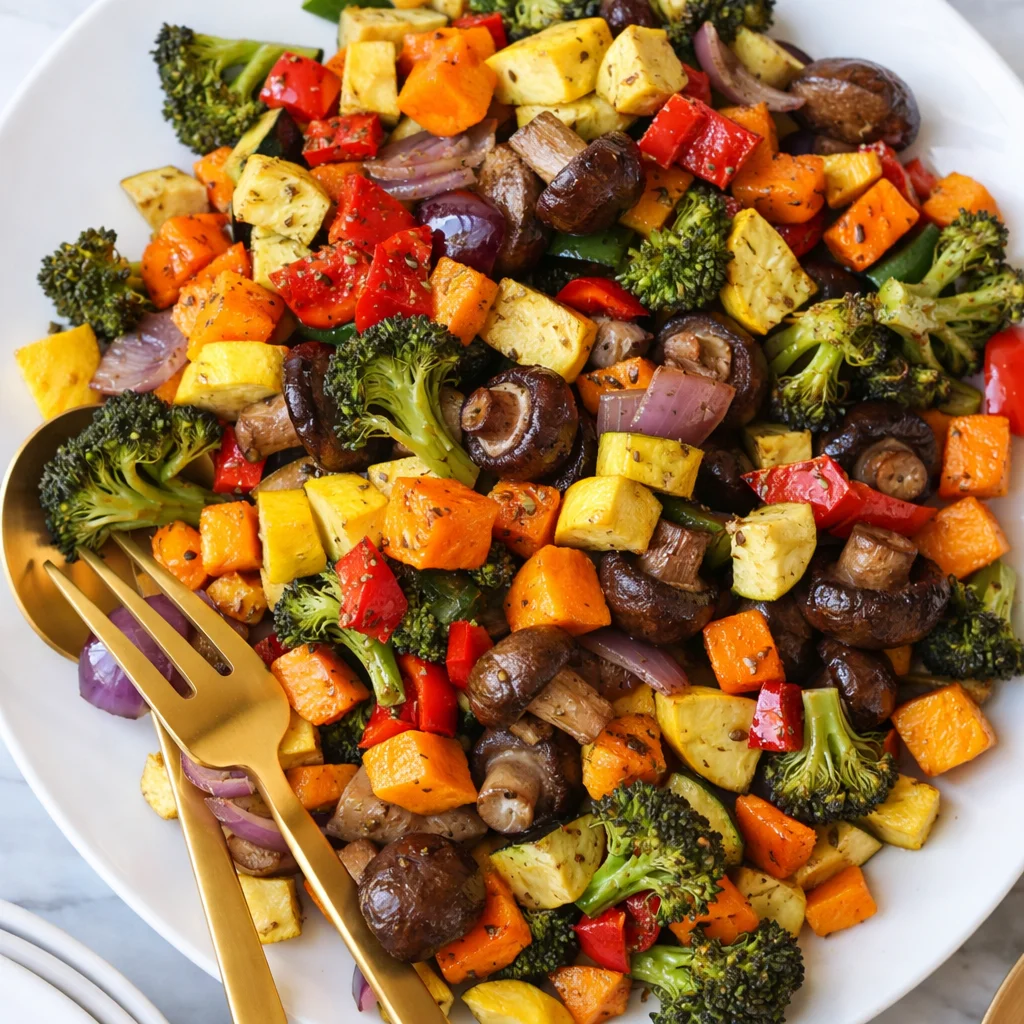
- Best Temperature: 400°F (200°C) for most vegetables; 425°F for extra char
- Oil Ratio: 1–2 tablespoons oil per pound of vegetables
- Golden Rule: Never overcrowd the pan (leave ~1/2 inch between pieces)
- Total Time: 20–45 minutes depending on vegetable density
If you have ever pulled a tray of roasted vegetables from the oven only to find them soft, watery, or unevenly browned, this guide is for you. Crispy oven-roasted vegetables are not about luck or a secret ingredient—they are about understanding heat, moisture, and timing. This universal method works for almost every vegetable, every oven, and every season.
The Universal Roasting Formula (Time & Temperature)
At its core, perfect roasted vegetables follow a simple formula:
Vegetables + High Heat + Space + Fat = Crisp Results
Roasting works because dry heat triggers the Maillard reaction, the chemical process that creates deep browning and savory flavor. Too much moisture or too low a temperature prevents this reaction from happening.
Base formula:
- Preheat oven fully (minimum 15 minutes)
- Roast at 400°F on the middle rack
- Flip once halfway through
This formula is flexible, but the principles never change.
Hard Vegetables vs. Soft Vegetables: A Cheat Sheet
Different vegetables contain different amounts of water and starch. Treating them the same is the fastest way to soggy results.
| Vegetable Type | Examples | Roast Time | Texture Goal |
|---|---|---|---|
| Root Vegetables | Carrots, potatoes, beets | 35–45 min | Crisp outside, creamy inside |
| Cruciferous | Broccoli, cauliflower, Brussels sprouts | 25–35 min | Charred edges, tender core |
| Soft Vegetables | Zucchini, peppers, mushrooms | 20–25 min | Light browning, not limp |
This timing chart alone solves most roasting problems.
Why Your Roasted Vegetables Are Soggy (And How to Fix It)
Most roasted vegetable failures come from one of these mistakes:
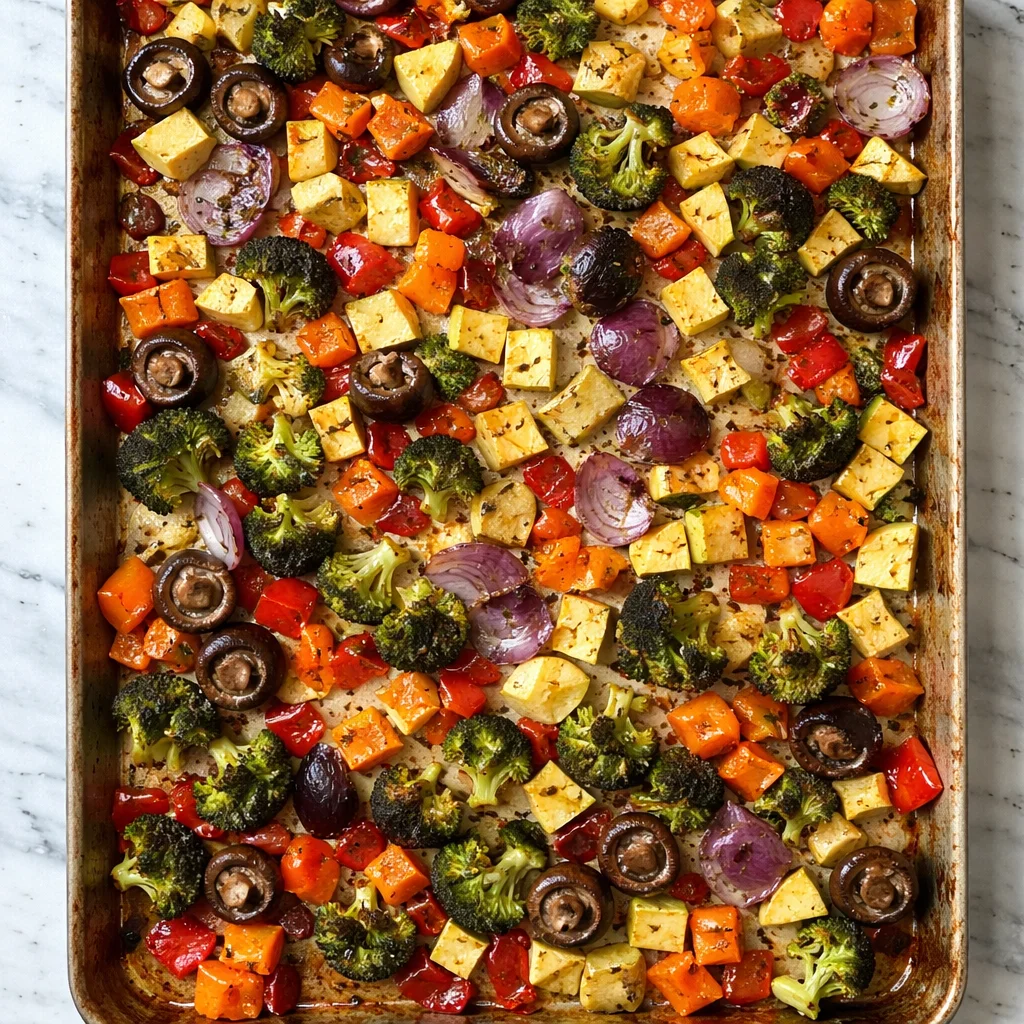
- Overcrowding the pan: Vegetables steam instead of roast. Use two pans if needed.
- Too much oil: Oil should coat, not pool. Excess oil traps moisture.
- Low oven temperature: Anything under 375°F struggles to brown.
- Adding acid too early: Vinegar or balsamic before roasting causes burning and softness.
Fix: Roast vegetables dry and hot. Add acids and glazes only after roasting.
The Science of Oil and Smoke Point
Oil choice matters more than most recipes admit. When oil passes its smoke point, it breaks down and produces bitter flavors.
- Best oils: Avocado oil, refined olive oil, grapeseed oil
- Avoid: Extra virgin olive oil at high heat, butter (burns quickly)
Use oil as a heat conductor, not a sauce.
The Aero-Effect: The Pro-Level Crisp Hack
Airflow is the hidden secret behind restaurant-level roasted vegetables. Elevating vegetables on a wire rack placed over a sheet pan allows hot air to circulate underneath, reducing moisture buildup.
If your oven has a convection setting, use it. Convection fans increase evaporation and accelerate browning, cutting cook time by about 20 percent.
5 Flavor Profiles to Elevate Any Sheet Pan
Once texture is mastered, flavor becomes easy. Add seasonings strategically.
- Mediterranean: Olive oil, oregano, garlic, lemon zest (add lemon after roasting)
- Smoky: Smoked paprika, cumin, garlic powder
- Asian-Inspired: Sesame oil (finish only), soy sauce drizzle after roasting
- Herb-Forward: Thyme or rosemary before roasting, fresh parsley after
- Spicy: Chili flakes before roasting, hot honey after
Seasoning timing matters: Dried herbs roast well; fresh herbs burn and should be added at the end.
Meal Prep & Reheating: Keeping the Crunch
Roasted vegetables are ideal for meal prep, but reheating incorrectly ruins texture.
Best reheating methods:
- Oven or air fryer at 400°F for 5–8 minutes
- Skillet over medium-high heat
Avoid: Microwave reheating—it reintroduces steam.
Stored properly in an airtight container, roasted vegetables last up to 4 days in the fridge. Texture is best within the first 48 hours.
What I Learned After Roasting 100+ Batches
After years of testing, the biggest lesson is simple: restraint matters. I once added balsamic vinegar before roasting and ended up with burnt edges and bitter vegetables. Since then, I treat acid like salt—always at the finish.
Consistency comes from respecting heat, spacing, and timing—not chasing shortcuts.
Final Takeaway
Crispy oven-roasted vegetables are not a recipe—they are a system. Once you understand the universal roasting formula, you can apply it to any vegetable, any cuisine, and any diet. Master this method once, and soggy vegetables will never be a problem again.
For more guides, explore our resources on best sheet pans, vegetable storage, and healthy meal prep basics.
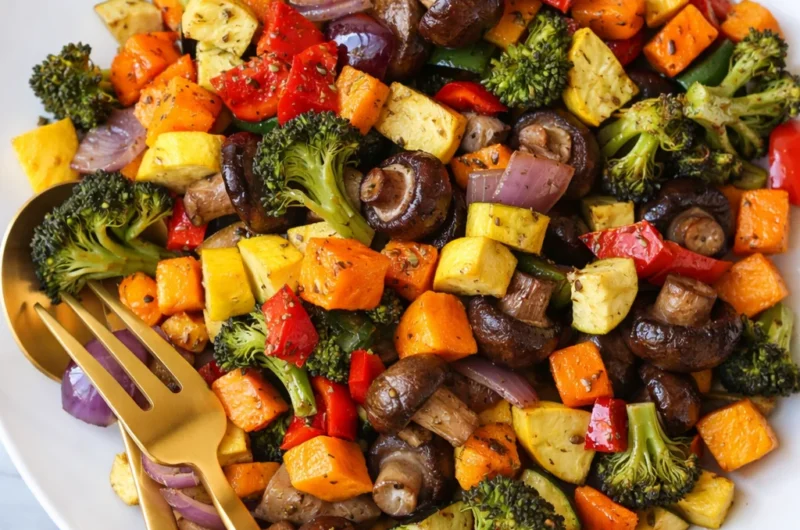
Guide to Crispy Oven-Roasted Vegetables
Course: Dinner, LunchCuisine: MediterraneanServings
4
servingsPrep time
30
minutesCooking time
45
minutesCalories
180
kcalIngredients
2 cups broccoli florets
2 medium carrots, sliced
1 red bell pepper, chopped
1 zucchini, sliced
1 red onion, cut into wedges
3 tablespoons olive oil
1 teaspoon salt
½ teaspoon black pepper
1 teaspoon garlic powder
1 teaspoon dried herbs (thyme, rosemary, or Italian seasoning)
Directions
- Preheat the oven to 425°F (220°C).
- Wash, peel, and chop all vegetables into similar-sized pieces.
- Place vegetables on a large baking sheet in a single layer.
- Drizzle with olive oil and sprinkle with salt, pepper, garlic powder, and herbs.
- Toss everything well to evenly coat the vegetables.
- Roast in the oven for 25–30 minutes, stirring halfway through, until tender and lightly caramelized.
- Remove from the oven and serve warm as a side dish or main component.