The Best Fluffy Pancakes recipe you will fall in love with. Full of tips and tricks to help you make the best pancakes.

Guide to Salsa Roja: Science, Technique, and Traditional Mexican Mastery
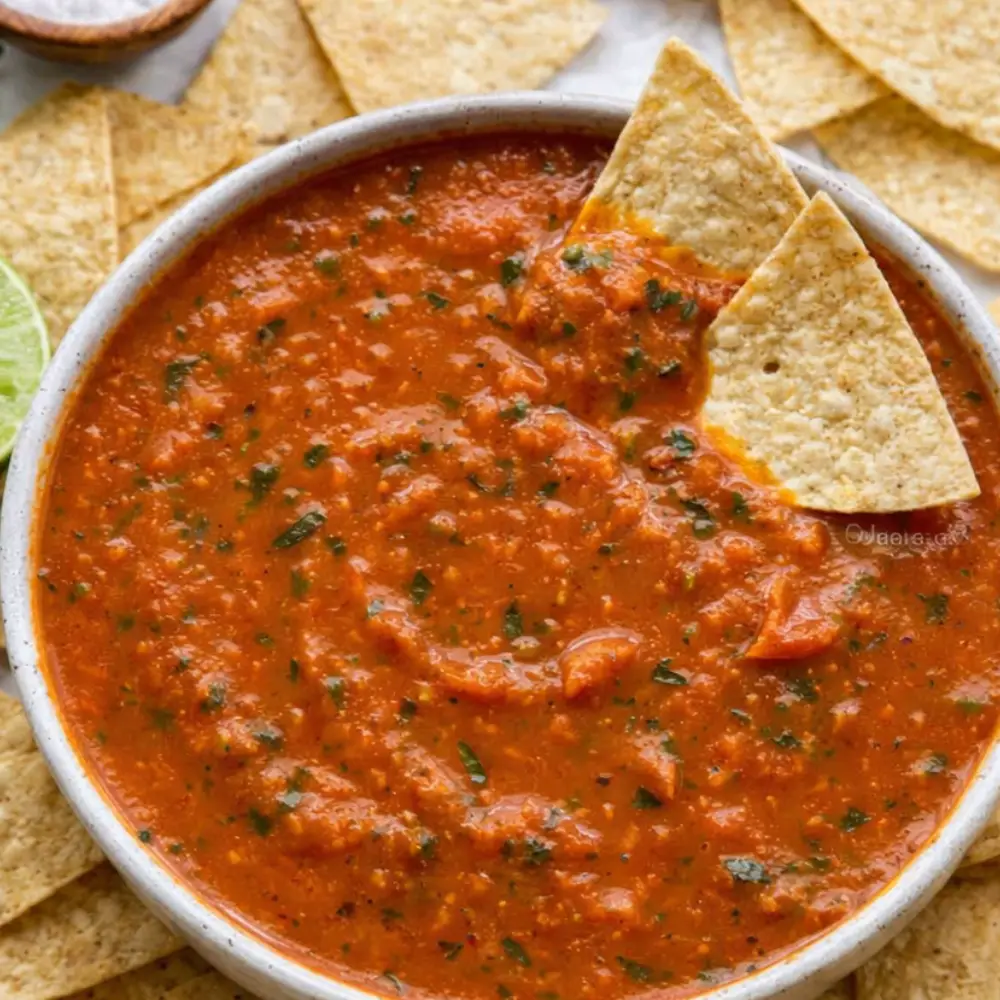
Salsa Roja At A Glance
Definition: Salsa Roja is a traditional Mexican red sauce made from tomatoes and dried chiles, roasted to develop deep, complex flavors through caramelization. This foundational condiment appears in countless regional variations across Mexico, from street tacos to home kitchens.
Key Ingredients: Roma tomatoes, dried chiles (guajillo, árbol, or ancho), garlic, white onion, salt
Flavor Profile: Smoky, umami-rich, earthy with moderate heat (2-6/10 heat level depending on chile selection)
When you bite into a perfectly crafted taco at your favorite taquería, that vibrant red salsa delivering smoky heat and tangy brightness isn’t just condiment—it’s culinary alchemy. Salsa Roja represents one of Mexico’s most essential flavor foundations, yet most home cooks struggle to replicate the restaurant-quality depth they crave.
The difference between watery, one-dimensional salsa and the complex, crave-worthy version served at authentic Mexican establishments comes down to understanding technique, chemistry, and traditional methods that have been refined over generations.
What Are the Best Dried Chiles for Authentic Salsa Roja?
The foundation of exceptional red salsa starts with selecting the right dried chiles. Unlike fresh peppers, dried varieties concentrate sugars and develop completely different flavor compounds through the drying process.
Guajillo chiles form the backbone of most traditional recipes, contributing a mild-to-medium heat level (2,500-5,000 SHU on the Scoville scale) with sweet, tangy notes and brilliant red color. Their smooth texture when blended creates the silky consistency professionals achieve.
Chile de árbol adds the signature kick that distinguishes restaurant-style salsa, bringing approximately 15,000-30,000 SHU to your base. Just 2-3 of these slender red peppers transform mild salsa into something with genuine heat.
Ancho chiles (dried poblanos) contribute earthy, slightly fruity undertones with minimal heat (1,000-2,000 SHU), making them ideal for building complexity without overwhelming spice.
| Chile Type | Scoville Heat Units | Flavor Profile | Best Use |
|---|---|---|---|
| Guajillo | 2,500-5,000 | Sweet, tangy, slightly smoky | Base/foundation |
| Chile de Árbol | 15,000-30,000 | Sharp heat, nutty | Heat component |
| Ancho | 1,000-2,000 | Earthy, fruity, raisin-like | Depth/complexity |
The Science of the Maillard Reaction in Salsa
Understanding why roasting transforms your ingredients elevates your salsa from ordinary to extraordinary. The Maillard reaction—a chemical transformation between amino acids and reducing sugars—occurs when you char tomatoes and garlic above 285°F (140°C).
During this process, hundreds of new flavor compounds develop that simply don’t exist in raw ingredients. Tomatoes develop concentrated umami notes as their natural glutamates intensify. Garlic loses its sharp bite and gains sweet, nutty complexity. The charred skins of dried chiles contribute subtle bitterness that balances sweetness.
This isn’t just about adding “smokiness”—you’re fundamentally restructuring the molecular composition of your ingredients. Professional taquería cooks understand this instinctively, which explains why their salsa roja tastes impossibly rich despite using the same basic ingredients available in any grocery store.
The roasting also reduces moisture content by 15-20%, concentrating flavors while creating the perfect texture for blending. This scientific principle separates authentic Mexican red salsa from the watery, unbalanced versions that plague home kitchens.
Step-by-Step: How to Achieve the Perfect ‘Taquería’ Texture
The Traditional Roasting Method
- Prepare your dried chiles: Remove stems and shake out most seeds (leave some for heat). Toast in a dry skillet over medium heat for 30-45 seconds per side until fragrant—but watch carefully, as over-toasting creates bitterness.
- Rehydrate intelligently: Cover toasted chiles with hot water for 15 minutes. This softens them for blending while allowing flavor compounds to begin dissolving into the soaking liquid (which you’ll incorporate later).
- Char your tomatoes and aromatics: Place Roma tomatoes, unpeeled garlic cloves, and quartered white onion directly on a comal, cast-iron skillet, or under a broiler. You want genuine blackening—not just light browning. This takes 8-12 minutes, turning occasionally.
- The blending sequence matters: Start with your rehydrated chiles and 1/2 cup of the soaking liquid. Blend until completely smooth (60-90 seconds). Add roasted tomatoes, garlic, onion, and salt. Pulse to your desired consistency—chunky for traditional molcajete-style, or completely smooth for refined taquería texture.
- The finishing simmer: Transfer to a saucepan and simmer for 10 minutes. This final step melds flavors while adjusting the pH level for preservation—adding a tablespoon of lime juice or apple cider vinegar drops the pH to approximately 3.8-4.2, extending refrigerator shelf life to 10-14 days.
Fresh Tomatoes vs. Canned vs. Fire-Roasted: The Data
| Tomato Type | Moisture Content | Flavor Intensity | Best Application |
|---|---|---|---|
| Fresh Roma (roasted) | High (94%) | Deep, complex | Traditional, authentic texture |
| Canned whole tomatoes | Medium (92%) | Consistent, mild | Quick weeknight versions |
| Fire-roasted canned | Medium-Low (89%) | Pre-developed char | Time-saving alternative |
Fresh roasted tomatoes deliver superior complexity, but high-quality fire-roasted canned tomatoes provide 80% of the flavor with significantly less effort—a worthy trade-off for busy home cooks.
Why Restaurant Salsa Roja Tastes Different: The “Taqueria Style” Secret
Beyond technique lies tradition. Authentic taquería salsa incorporates several subtle elements home cooks typically overlook:
Toasted cumin seeds: Just 1/4 teaspoon of whole cumin seeds, toasted alongside the dried chiles, adds an earthy undertone that guests notice subconsciously but can’t quite identify.
The emulsification trick: Professional cooks often add one teaspoon of neutral oil while blending. This creates a silkier mouthfeel and helps the salsa cling to tortillas and proteins rather than pooling at the bottom of the plate.
Regional water differences: In Mexico, the mineral content of local water affects final flavor. Hard water with higher calcium concentrations creates slightly different results than soft water. Adding a tiny pinch of kosher salt compensates by replicating those mineral profiles.
Volume blending: Restaurants make large batches, which generates friction heat during blending that partially “cooks” the salsa, developing deeper flavors. Home cooks can replicate this by blending on high speed for a full 2 minutes.
Troubleshooting Common Salsa Roja Problems
“Why is my Salsa Roja bitter?”
Over-toasting the dried chile skins creates acrid, unpleasant bitterness. Dried chiles should become fragrant and pliable after 30-45 seconds of toasting—any longer and you’ve gone too far. If you’ve already made bitter salsa, balance it by adding 1/2 teaspoon of sugar or agave nectar, which counteracts the bitter compounds without making the salsa sweet.
“How do I fix watery salsa?”
Watery consistency results from insufficient roasting (moisture not driven off) or over-blending with too much liquid. Fix thin salsa by returning it to a saucepan and simmering uncovered for 15-20 minutes to reduce and concentrate. Alternatively, emulsify with one teaspoon of neutral oil and blend on high speed for 90 seconds to create better suspension.
“My salsa lacks depth—what’s missing?”
Flat salsa typically needs umami enhancement. Add a small pinch of Mexican oregano, a dash of chicken bouillon powder, or even a quarter teaspoon of soy sauce (yes, really—the glutamates work beautifully). These ingredient additions boost savory complexity without identifiable flavor changes.
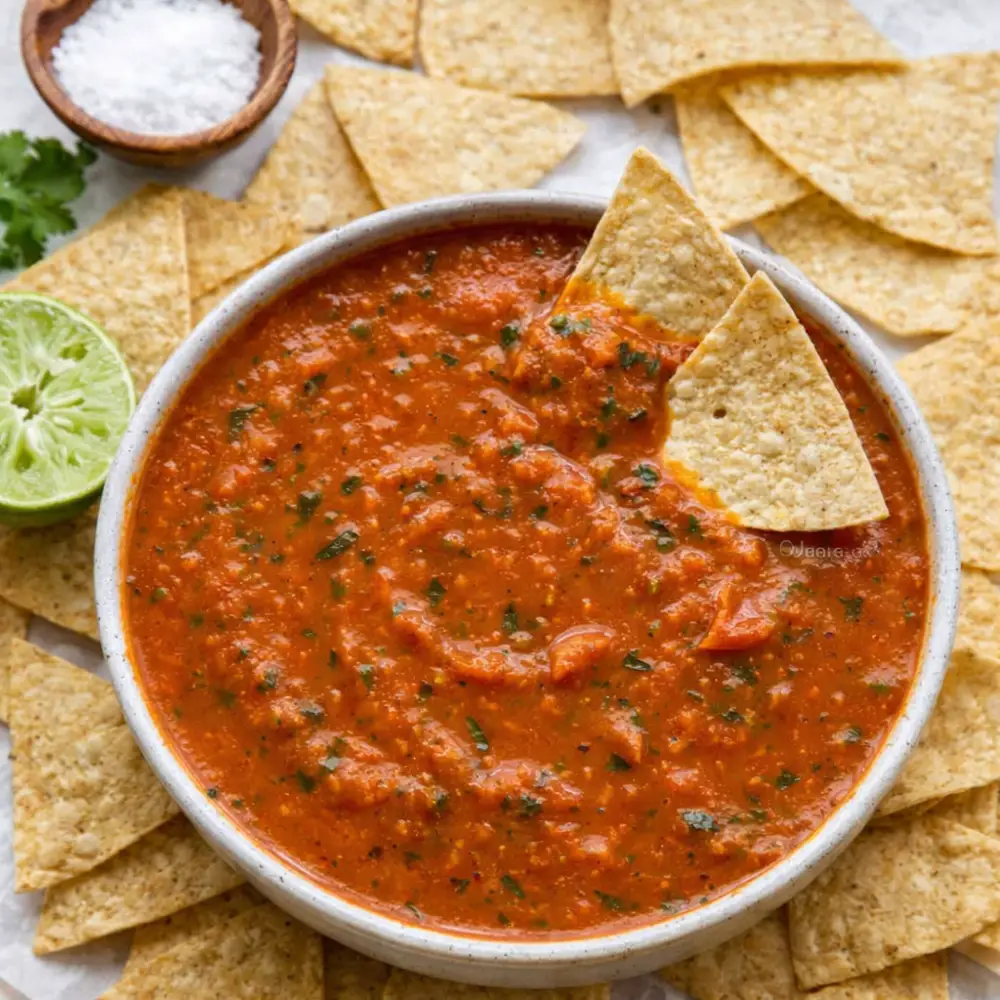
The Regional Variations Worth Exploring
Salsa Roja isn’t monolithic across Mexico. Jalisco-style versions typically incorporate more tomato with milder chiles, creating a sweeter, brighter sauce perfect for birria and carne en su jugo. Oaxacan interpretations often include chile pasilla alongside guajillo, contributing a chocolate-like earthiness that pairs beautifully with mole traditions.
Northern Mexican versions, particularly in Sonora and Chihuahua, tend toward pure chile de árbol bases with minimal tomato, creating intensely spicy, rusty-red salsas that complement grilled meats.
Understanding these regional distinctions allows you to customize your salsa roja to complement specific dishes rather than treating it as a one-size-fits-all condiment.
Your Next Steps to Salsa Mastery
Creating restaurant-quality salsa roja at home requires understanding the chemistry behind traditional techniques. By controlling heat levels through deliberate chile selection, developing complex flavors through proper roasting methods, and achieving ideal texture through smart blending practices, you’ll produce authentic Mexican red salsa that rivals your favorite taquería.
The difference between good and exceptional salsa roja lies in these details—the Scoville units you’re adding, the Maillard reactions you’re encouraging, and the pH levels you’re achieving for preservation. Master these fundamentals, and you’ll never settle for store-bought salsa again.
Start with the basic recipe outlined here, then explore the comparative possibilities between salsa roja and salsa verde, experiment with different traditional roasting methods, and discover why subtle technique variations create such dramatic flavor differences.
What variation will you try first?
Guide to Salsa Roja: Science, Technique, and Traditional Mexican Mastery
Course: Recipe CollectionsCuisine: MexicanServings
4
servingsPrep time
20
minutesCooking time
30
minutesCalories
18
kcalIngredients
5 medium ripe Roma tomatoes (about 1 lb / 450 g), cored
1/2 medium white onion, roughly chopped
1–2 jalapeños or 1 serrano (stemmed; seed for milder)
2 cloves garlic, peeled
1 tbsp neutral oil (optional; for roasting depth)
1/2 tsp kosher salt, plus more to taste
1/4 tsp ground cumin (optional)
1 tbsp apple cider vinegar or fresh lime juice
1/3 cup fresh cilantro leaves and tender stems
1–2 tbsp water (only if needed to loosen)
Directions
- (Optional roast for depth): Heat a skillet over medium-high. Add tomatoes, onion, jalapeño(s), and garlic with a little oil. Char, turning, 6–10 minutes until tomatoes blister and onion softens. Cool 5 minutes.
- Blend: Add tomatoes, onion, jalapeño(s), garlic, salt, cumin (if using), vinegar/lime, and cilantro to a blender. Pulse to your desired texture (chunky to smooth). Add 1–2 tbsp water only if needed to loosen.
- Season: Taste and adjust salt and acidity. For more heat, add reserved chili seeds or an extra serrano.
- Chill: Transfer to a container and refrigerate at least 30 minutes for flavors to meld.
- Serve: Stir, then serve with tortilla chips, tacos, eggs, grilled meats, or bowls. Keeps 5–7 days refrigerated; freeze up to 2 months.