The Best Fluffy Pancakes recipe you will fall in love with. Full of tips and tricks to help you make the best pancakes.

The Best Butterscotch Chocolate Chip Cookies (Scientifically Balanced)
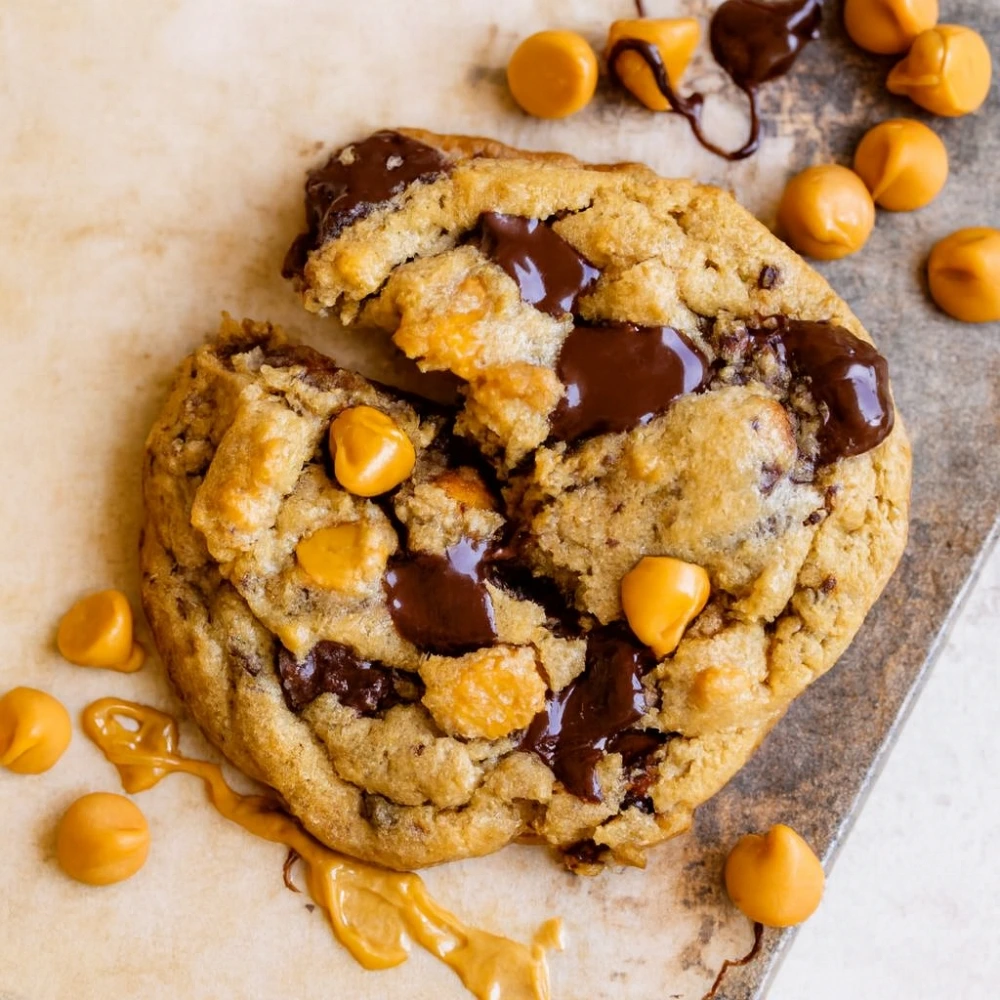
Let’s be honest: butterscotch chips are cloyingly sweet. You’ve probably tried making butterscotch chocolate chip cookies before, only to end up with a sugar bomb that leaves your teeth aching and your taste buds overwhelmed. The problem isn’t you—it’s the recipe. Most cookie recipes don’t account for the intense sweetness that butterscotch chips bring to the table, resulting in desserts that taste more like candy than a balanced, sophisticated treat.
We’ve solved that problem. By incorporating 70% dark chocolate chunks and strategic flavor balancing techniques, we’ve created scientifically perfected butterscotch chocolate chip cookies that taste like elegant toffee, not just processed sugar. Even better? This master recipe gives you complete control over texture—whether you crave gooey centers, chewy edges, or crispy snaps.
Why This Recipe Works: The Science Behind Perfect Salted Butterscotch Cookies
The secret to exceptional butterscotch cookies lies in understanding food chemistry. Unlike traditional chocolate chip cookies, butterscotch varieties face a unique challenge: butterscotch chips contain extraordinarily high sugar concentrations combined with artificial vanilla compounds that amplify perceived sweetness.
The Dark Chocolate Counter-Balance
Our recipe utilizes 70% dark chocolate chunks instead of standard semi-sweet morsels. Here’s why this matters: the increased cacao content (and corresponding bitterness) neutralizes the sucrose spike from butterscotch chips. Think of it as a flavor seesaw—the dark chocolate’s natural tannins and lower sugar content create equilibrium, preventing that overwhelming sweet-fatigue most recipes produce.
Additionally, we incorporate kosher salt directly into the dough, not just as a garnish. Salt molecules bind to sweetness receptors on your tongue, effectively “blocking” some of the sugar perception while enhancing the buttery, caramel notes that make butterscotch special. This creates cookies with depth and complexity rather than one-note sweetness.
Brown Sugar vs. White Sugar: The Moisture Matrix
The ratio of brown sugar to white sugar dramatically affects your final texture. Brown sugar contains molasses, which is hygroscopic—meaning it attracts and retains moisture. Our recipe uses a 60/40 brown-to-white ratio, ensuring:
- Chewiness from the brown sugar’s moisture retention
- Structural integrity from white sugar’s crystallization
- Enhanced butterscotch flavor since molasses complements the toffee notes naturally
Pro Tip: Always pack your brown sugar when measuring. Loose brown sugar can reduce your moisture content by up to 20%, leading to dry, crumbly cookies.
Ingredients & Substitutions: Building Your Perfect Cookie
Core Ingredients (Makes 24 cookies)
Dry Ingredients:
- 2½ cups all-purpose flour (312g) — Why weigh? Cup measurements can vary by 20-30g, causing cakey textures
- 1 tsp baking soda — Creates spread and chewiness
- 1 tsp kosher salt — The secret weapon for balance
- ¼ tsp espresso powder — Deepens toffee notes without adding coffee flavor
Wet Ingredients:
- 1 cup (2 sticks) unsalted butter — See texture matrix below for preparation method
- ¾ cup packed brown sugar
- ½ cup granulated white sugar
- 2 large eggs + 1 egg yolk — Extra yolk adds richness
- 2 tsp pure vanilla extract
Mix-Ins:
- 1 cup butterscotch chips (use Guittard or Ghirardelli for best melt)
- 1 cup 70% dark chocolate chunks (roughly chopped bar chocolate works better than chips)
- Flaky sea salt for finishing (Maldon or Jacobsen)
Smart Substitutions
Gluten-Free Option: Use King Arthur Measure for Measure flour (1:1 ratio). Add 1 extra tablespoon to compensate for absorption differences.
Small Batch (6 cookies): Use 1 egg yolk only, ½ stick butter, and quarter all other ingredients. This maintains proper moisture ratios.
No Dark Chocolate? Use semi-sweet chips but reduce white sugar to ⅓ cup to compensate for additional sweetness.
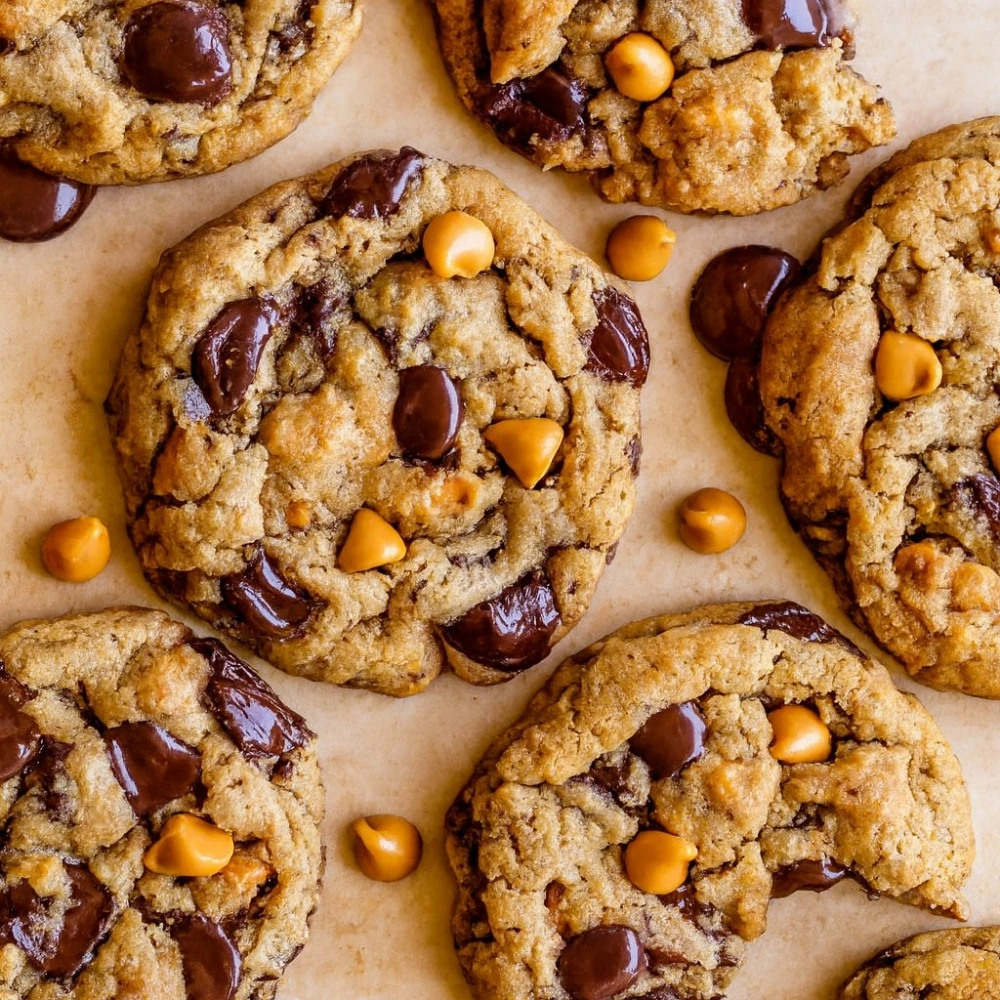
The Texture Matrix: Customize Your Cookie Experience
This is where chewy vs crispy cookie science becomes your superpower. By adjusting three variables—butter temperature, chill time, and bake duration—you control the exact texture.
| Texture Goal | Butter Preparation | Chill Time | Bake Time (350°F) |
|---|---|---|---|
| Gooey/Dense Centers | Melted & cooled to room temp | 2 hours minimum | 10-11 minutes |
| Chewy with Crisp Edges | Browned butter (golden) | 30 minutes | 11-12 minutes |
| Thin/Lacy/Crispy | Room temp (creamed method) | No chill needed | 12-13 minutes |
Understanding the Science: Cold dough spreads slower in the oven, creating thicker cookies. Browned butter adds nutty notes while reducing water content (which evaporates during browning), leading to chewier textures. Room temperature butter creams better, incorporating more air for lighter, crispier results.
Step-by-Step Instructions
Step 1: Prepare Your Butter (Choose Your Path)
For Gooey Cookies (Quick Method): <a name=”quick-method”></a> Melt butter in microwave (30-second intervals). Let cool for 15 minutes until barely warm to touch.
For Premium Cookies (Browned Butter): <a name=”premium-method”></a>
- Cut butter into tablespoon-sized pieces for even melting
- Melt in light-colored saucepan over medium heat
- Swirl constantly once foaming begins (don’t stir—swirling prevents splashing)
- Watch for golden-brown color and nutty aroma (3-5 minutes)
- Immediately transfer to heatproof bowl to stop cooking
- Cool to room temperature (about 30 minutes)
Step 2: Create the “Ribbon Stage”
- Whisk cooled butter with both sugars for 2 minutes until fluffy
- Add eggs, yolk, and vanilla
- Beat on medium speed until mixture becomes pale and forms ribbons when lifted (about 3 minutes)
Why this matters: Proper aeration creates that coveted chewy texture. Undermixing produces dense cookies; this step is non-negotiable.
Step 3: Incorporate Dry Ingredients
- Whisk together flour, baking soda, salt, and espresso powder
- Add to wet ingredients in two additions
- Mix on low speed just until no flour streaks remain (10-15 seconds)
Critical Warning: Overmixing develops gluten, creating tough, cakey cookies. Stop mixing the moment flour disappears.
Step 4: Fold in Chips Gently
Using a spatula (not mixer), fold in butterscotch chips and dark chocolate chunks. Distribute evenly but don’t overwork the dough.
Step 5: Chill According to Texture Matrix
Refer to the table above. Cover dough tightly with plastic wrap pressed directly onto surface to prevent drying.
Step 6: Bake to Perfection
- Preheat oven to 350°F (175°C)
- Line baking sheets with parchment paper
- Scoop 2-tablespoon portions (use a cookie scoop for uniformity)
- Space 3 inches apart (they spread significantly)
- Bake according to texture matrix
- Cookies should look slightly underdone in centers when removed
- Immediately sprinkle with flaky sea salt
- Cool on baking sheet for 5 minutes, then transfer to wire rack
The Golden Rule: Your cookies continue baking on the hot sheet after leaving the oven. What looks underdone at 11 minutes becomes perfect after the carryover cooking period.
Troubleshooting Guide: Fix Common Butterscotch Cookie Problems
Q: Why are my butterscotch cookies spreading too flat?
A: Three common culprits:
- Butter was too warm when mixed with sugar (should be barely warm or room temp)
- Insufficient chilling time—dough needs to solidify
- Old baking soda (test by adding ¼ tsp to vinegar; it should fizz vigorously)
Q: Why are my cookies hard and dry instead of chewy?
A: You’ve overbaked them. The butterscotch flavor balance requires pulling cookies when centers still look glossy and slightly underdone. Set your timer for 1 minute LESS than you think necessary.
Q: My cookies taste too sweet despite using dark chocolate. What happened?
A: Check your butterscotch chip brand. Some store brands contain more sugar than premium versions. Switch to Guittard or Ghirardelli, and consider reducing white sugar by 2 tablespoons if still too sweet for your palate.
Q: Why do my cookies have a chemical aftertaste?
A: Your espresso powder may be old, or you’re using instant coffee instead of espresso powder. Also verify your butterscotch chips haven’t exceeded their expiration date—rancid ingredients create off-flavors.
Q: Can I freeze this dough?
A: Absolutely! Scoop into portions, freeze on parchment-lined sheet for 2 hours, then transfer to freezer bag. Bake from frozen, adding 2 extra minutes to bake time. This is perfect for salted butterscotch cookies on demand.
Recipe Variations: Expand Your Cookie Repertoire
Small-Batch Version (6 Cookies)
Perfect for when you want scientifically perfected butterscotch chocolate chip cookies without the temptation of 24 sitting on your counter.
- ½ stick (4 tbsp) butter
- 3 tbsp packed brown sugar
- 2 tbsp white sugar
- 1 egg yolk (save the white for scrambled eggs)
- ½ tsp vanilla
- ⅔ cup flour
- ¼ tsp each: baking soda, salt
- Pinch espresso powder
- ⅓ cup butterscotch chips
- ⅓ cup dark chocolate chunks
Gluten-Free Butterscotch Cookies
Use King Arthur Gluten-Free Measure for Measure flour with these adjustments:
- Add 1 extra tablespoon flour (total 2½ cups + 1 tbsp)
- Increase chill time to 3 hours minimum
- Add ¼ tsp xanthan gum if your blend doesn’t include it
Brown Butter Toffee Version
Elevate the butterscotch flavor profile:
- Use all browned butter (follow premium method)
- Replace ½ cup butterscotch chips with Heath toffee bits
- Add ½ tsp cinnamon to dry ingredients
- Finish with coarse raw sugar before baking for crunch
Vegan Adaptation
While this changes texture slightly, it’s delicious:
- Replace butter with refined coconut oil (melted and cooled)
- Use flax eggs (2 tbsp ground flaxseed + 5 tbsp water, let sit 10 minutes)
- Choose vegan butterscotch and chocolate chips (check labels)
- Add 1 tbsp maple syrup for moisture compensation
Pro Tips for Next-Level Results
1. The Freezer Flash: After scooping dough, freeze portions for 15 minutes before baking. This creates taller cookies with better texture contrast between edges and centers.
2. Rotate Mid-Bake: At the halfway point, rotate your baking sheet 180 degrees. Ovens have hot spots that cause uneven baking.
3. The Puddle Test: Your cookies should look like “puddled” dough when you remove them—shiny centers with slightly set edges. Trust the process.
4. Salt Timing Matters: Sprinkle flaky salt immediately after removing from oven while surfaces are still tacky. This ensures salt adheres properly and doesn’t bounce off.
5. Storage Secrets: Keep cookies in airtight container with a slice of bread. The bread maintains moisture levels, keeping cookies soft for up to 5 days.
The Final Verdict: Your Path to Cookie Perfection
These scientifically perfected butterscotch chocolate chip cookies solve the sweetness problem that plagues most recipes. By understanding the relationship between ingredients—how dark chocolate balances butterscotch, how salt enhances rather than competes, how butter preparation affects texture—you’re not just following a recipe. You’re mastering the science of baking.
Whether you choose the quick method for weeknight cravings or the browned butter premium version for special occasions, you now have the knowledge to create cookies that taste like artisan bakery creations, not cloying sugar bombs.
Ready to bake? Start with the chewy-crisp option (browned butter, 30-minute chill, 11-minute bake). It offers the best balance of convenience and flavor for first-timers.
Have questions or want to share your results? Drop a comment below—I read and respond to every single one!
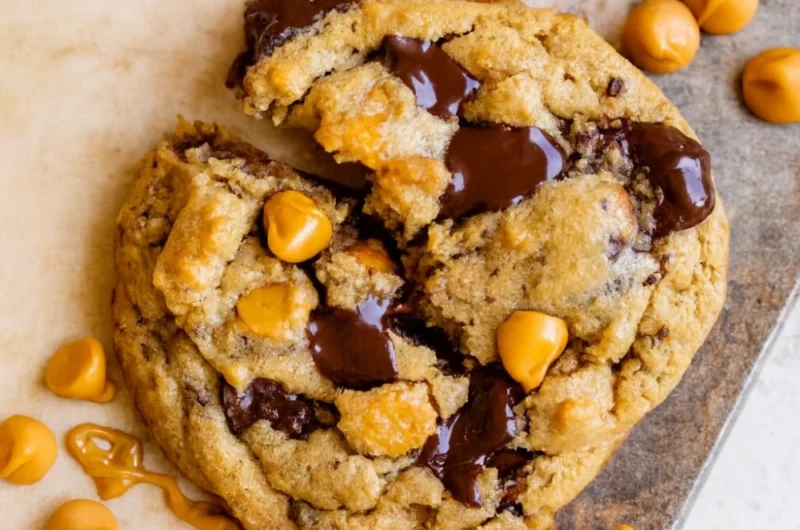
The Best Butterscotch Chocolate Chip Cookies (Scientifically Balanced)
Course: DessertsCuisine: AmericanServings
24
CookiesPrep time
15
minutesCooking time
20
minutesCalories
200
kcalIngredients
2 ¼ cups (281 g) all-purpose flour
1 tsp baking soda
½ tsp baking powder
¾ tsp fine salt
¾ cup (170 g) unsalted butter, softened
¾ cup (150 g) packed light brown sugar
½ cup (100 g) granulated sugar
1 large egg + 1 egg yolk, room temperature
2 tsp vanilla extract
1 cup (170 g) semisweet chocolate chips
1 cup (170 g) butterscotch chips
Optional: 1–2 tsp cornstarch (extra softness), flaky sea salt for finishing
Directions
- Prep. Heat oven to 350°F (175°C). Line 2 baking sheets with parchment.
- Dry mix. Whisk flour, baking soda, baking powder, and salt in a bowl.
- Cream. In a separate bowl, beat butter with brown sugar and granulated sugar until creamy, 1–2 minutes.
- Eggs & vanilla. Beat in the egg, egg yolk, and vanilla until smooth.
- Combine. Add dry ingredients; mix just until no dry streaks remain.
- Fold-ins. Stir in chocolate chips and butterscotch chips (reserve a few for topping). If dough seems warm/loose, chill 10 minutes.
- Scoop. Portion ~1½ Tbsp mounds (about 30–32 g) spaced 2 inches apart. Top each with a couple reserved chips.
- Bake. 9–11 minutes, until edges are set and centers look slightly underdone.
- Finish. Cool on the sheet 5 minutes, optionally sprinkle flaky sea salt, then move to a rack to cool completely.