The Best Fluffy Pancakes recipe you will fall in love with. Full of tips and tricks to help you make the best pancakes.

The Only Jambalaya Recipe You’ll Ever Need: Cajun, Creole, & Fail-Proof Tips
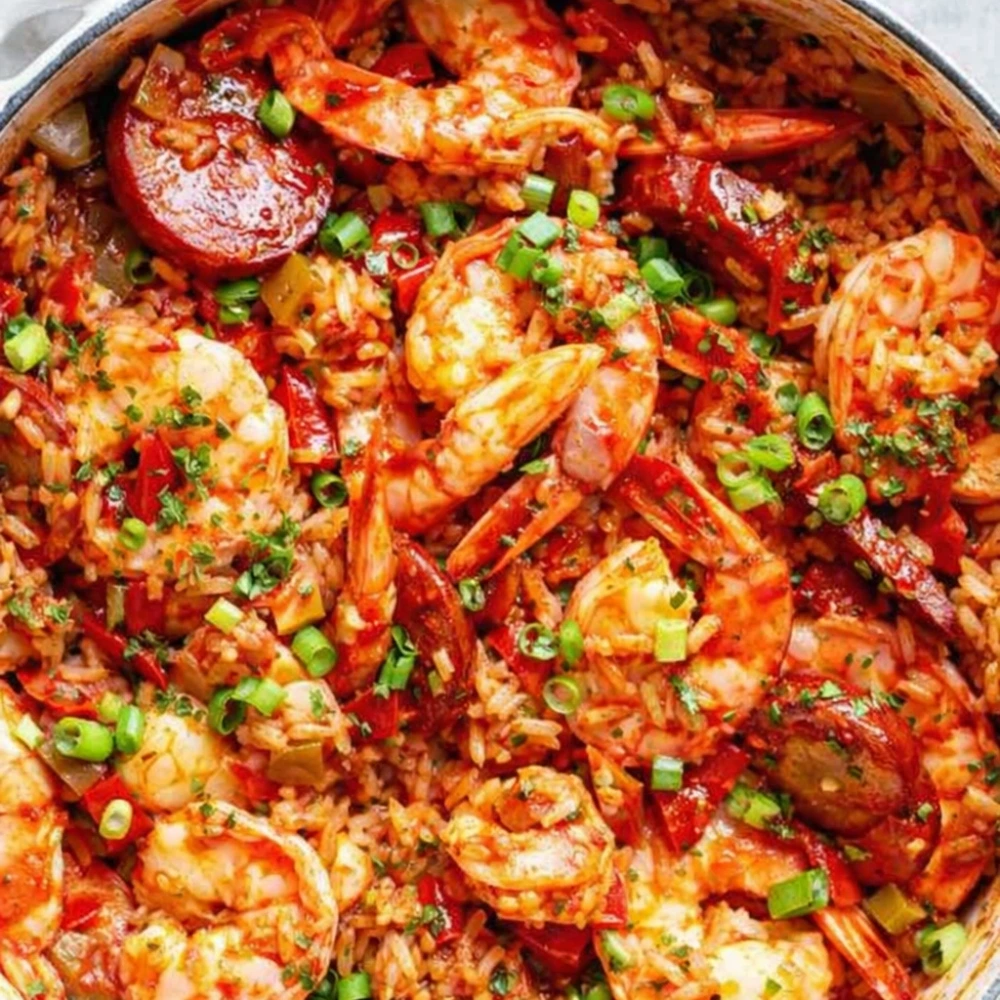
Most recipes lie to you. They tell you to dump everything in a pot and pray. That’s why your rice is mushy, your chicken is rubbery, and you’re ordering pizza at 8 PM. Real jambalaya isn’t just a recipe—it’s a technique. Whether you crave the “Red” tomato-rich Creole city style or the “Brown” smoky Cajun country version, this guide teaches you the science behind the pot, not just what goes in it.
I’ve spent years perfecting this authentic jambalaya recipe, studying the differences between Creole vs Cajun jambalaya, and developing foolproof methods that work every single time. No more guesswork. No more kitchen disasters. Just perfectly seasoned, fluffy rice studded with juicy andouille sausage, tender chicken, and the aromatic “holy trinity” of Louisiana cooking.
The Real Difference: Creole vs. Cajun Jambalaya
Before we cook, let’s settle this once and for all. Understanding these distinctions transforms you from recipe-follower to confident cook.
| Element | Cajun Jambalaya | Creole Jambalaya |
|---|---|---|
| Base | No tomatoes—brown roux and stock | Tomato-based—red from crushed tomatoes |
| Origin | Rural bayou country, one-pot field cooking | New Orleans city kitchens, Spanish influence |
| Color | Deep brown from caramelized meat | Vibrant red from tomatoes |
| Cooking Order | Meat browned first for fond | Vegetables sautéed, then tomatoes added |
| Flavor Profile | Smoky, earthy, intensely savory | Brighter, slightly acidic, complex |
Both are authentic. Both are delicious. The choice is yours—or make both and become the jambalaya authority in your friend group.
The Rice Science Nobody Talks About
Here’s the secret that separates soggy disappointment from restaurant-quality results: toasting your rice.
Just like risotto, toasting uncooked rice in rendered fat for 2-3 minutes creates a protective starch barrier around each grain. This technique prevents the rice from absorbing too much liquid too quickly, which is the primary cause of mushy jambalaya. The rice develops a subtle nutty flavor and maintains its integrity throughout the cooking process.
Pro tip: Use long-grain rice, preferably parboiled (converted rice). The parboiling process gelatinizes the starches, making the grains less likely to stick together. Brands like Uncle Ben’s or Mahatma work exceptionally well for jambalaya troubleshooting purposes.
The Classic Cajun Jambalaya Recipe
Ingredients (Serves 6-8)
The Protein Foundation:
- 1 lb andouille sausage, sliced into ½-inch rounds
- 1 lb boneless chicken thighs, cut into 1-inch pieces
- ½ lb shrimp (optional, add at the end)
The Holy Trinity:
- 1 large onion, diced
- 1 bell pepper (green traditional, but mix colors for sweetness), diced
- 3 celery stalks, diced
- 4 garlic cloves, minced
The Foundation:
- 2 cups long-grain rice (uncooked)
- 3 cups chicken stock (plus ½ cup reserved)
- 2 bay leaves
- 2 tablespoons Cajun seasoning (homemade recommended)
- 1 teaspoon smoked paprika
- ½ teaspoon cayenne pepper (adjust to taste)
- Salt and black pepper
- 3 tablespoons vegetable oil or bacon fat
The Fail-Proof Method
Step 1: Build the Flavor Base (10 minutes)
Heat a heavy-bottomed Dutch oven over medium-high heat. Add andouille sausage and cook without stirring for 3-4 minutes until deeply browned. This creates the “fond”—those caramelized bits that give Cajun jambalaya its signature depth. Remove sausage and set aside.
Step 2: Brown the Chicken (5 minutes)
In the rendered sausage fat, season chicken thighs with salt, pepper, and half your Cajun seasoning. Sear until golden brown on both sides—they don’t need to be fully cooked. Remove and set aside with sausage.
Step 3: Sauté the Trinity (8 minutes)
Lower heat to medium. Add diced onion, bell pepper, and celery. Cook, scraping up all those flavorful brown bits, until vegetables soften and onions turn translucent. Add minced garlic and cook 1 minute more until fragrant.
Step 4: Toast the Rice (3 minutes—THE CRITICAL STEP)
Add uncooked rice directly to the pot with vegetables. Stir to coat every grain with the fat and aromatics. Let it toast undisturbed for 2 minutes, then stir once and toast 1 minute more. You’ll smell a nutty, popcorn-like aroma—that’s your insurance against mushiness.
Step 5: The No-Stir Commitment (25 minutes)
Return sausage and chicken to pot. Add chicken stock, bay leaves, remaining Cajun seasoning, smoked paprika, and cayenne. Stir everything ONE FINAL TIME to distribute ingredients evenly.
Bring to a rolling boil, then immediately reduce heat to low. Cover tightly and do not lift the lid, do not stir, do not peek for 20 minutes.
Step 6: The Rest (10 minutes)
After 20 minutes, check if rice is tender and liquid absorbed. If you’re adding shrimp, nestle them on top now, cover, and cook 5 more minutes. Remove from heat and let rest, covered, for 10 minutes. This final rest allows steam to redistribute and finish the cooking process.
Fluff gently with a fork from the bottom up. Serve immediately with hot sauce, green onions, and a sprinkle of fresh parsley.
The Creole (Tomato) Jambalaya Version
Follow the same technique with these modifications:
- After sautéing the trinity, add one 14.5 oz can of crushed tomatoes and 1 teaspoon of sugar to balance acidity
- Use 2½ cups chicken stock instead of 3 (tomatoes add liquid)
- Add 1 teaspoon dried thyme and 1 teaspoon dried oregano for that New Orleans flavor
- Some cooks add a splash of Worcestershire sauce for umami depth
The cooking method remains identical—the toast-and-don’t-stir rule is universal.
Jambalaya Troubleshooting: How to Save Your Dinner
Why is my jambalaya rice crunchy or undercooked?
The Problem: Not enough liquid or heat was too high, causing liquid to evaporate before rice finished cooking.
The Fix: Add ½ cup warm stock, cover, and steam on low for 5-10 more minutes. Don’t turn up the heat—this burns the bottom while leaving the top raw.
Why is my jambalaya mushy or gummy?
The Problem: You stirred it too much after adding liquid. Jambalaya is not risotto. Constant stirring releases excess starch and breaks the rice grains.
The Emergency Fix: Spread jambalaya on a large baking sheet in a thin layer. Let it sit uncovered for 10 minutes—this allows steam to escape and firms up the texture. Gently scrape back into the pot.
Prevention: Toast the rice first and commit to zero stirring after the boil.
Why does the bottom have a burnt crust?
The Truth: In traditional Cajun cooking, a little “gratin” (crispy bottom layer) is actually prized! It’s the jambalaya version of socarrat in paella—intentional and delicious.
When to Worry: If it smells acrid or tastes bitter, your heat was too high. Don’t scrape the burnt layer when serving. Next time, use a heavier pot and keep heat on low after the initial boil.
Why is my jambalaya bland?
The Problem: Under-seasoned at multiple stages or using low-quality stock.
The Fix: Season in layers—spice the chicken before browning, add seasoning to the trinity, and taste the stock before adding. Always finish with fresh lemon juice, hot sauce, and green onions at the table.
The Swap Shop: Keto, Vegan & Dietary Adaptations
Keto Jambalaya: Cauliflower Rice Done Right
The Critical Rule: Do NOT add cauliflower rice at the start—it will turn to mush.
Cook your jambalaya with all proteins and vegetables as written, but use only 1 cup liquid total. In the last 5 minutes of cooking, add 4 cups of pre-riced cauliflower on top, cover, and steam. The cauliflower absorbs flavor without disintegrating.
Vegetarian Jambalaya: The Umami Bomb
Replace andouille with plant-based sausage or smoked tempeh. The real secret is building depth without meat:
- Use 1 tablespoon liquid smoke in your vegetable stock
- Double the smoked paprika
- Add 2 tablespoons tomato paste (even in Cajun version) for umami richness
- Include mushrooms (especially cremini or shiitake) for meaty texture
- Finish with nutritional yeast for savory complexity
The technique remains the same—toast your rice, don’t stir, and trust the process.
The Final Secret: Patience Is an Ingredient
The biggest mistake ambitious home cooks make isn’t technique—it’s impatience. Rushing the browning, lifting the lid, stirring “just to check”—these impulses ruin jambalaya. Trust the process. Trust the timing. Trust that steam and heat are working their magic beneath that lid.
When you follow these principles—proper browning, rice toasting, the sacred no-stir rule—you’re not just making dinner. You’re mastering a cornerstone of Louisiana cuisine that’s fed families for generations.
Now go forth and make jambalaya that would make a Cajun grandmother nod in approval. Your kitchen, your rules, your perfect pot of rice.
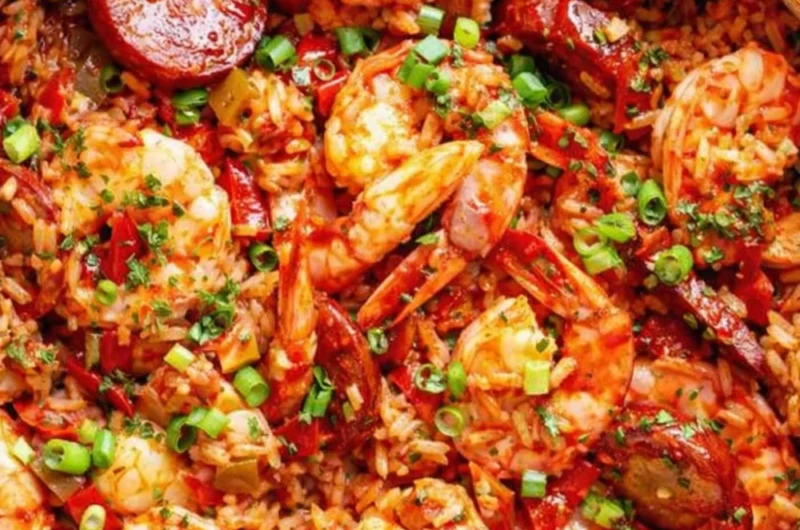
The Only Jambalaya Recipe You’ll Ever Need: Cajun, Creole, & Fail-Proof Tips
Course: DinnerCuisine: CAJUNServings
6
servingsPrep time
20
minutesCooking time
45
minutesCalories
520
kcalIngredients
2 tbsp olive oil
12 oz (340 g) andouille sausage, sliced
1 lb (450 g) boneless skinless chicken thighs, 1-inch pieces
1 large onion, diced
1 green bell pepper, diced
2 celery ribs, diced
4 garlic cloves, minced
1½ cups (300 g) long-grain white rice
1 can (14.5 oz / 410 g) diced tomatoes (with juices)
3 cups (720 ml) low-sodium chicken stock
1 tbsp Cajun seasoning (to taste)
1 tsp smoked paprika
½ tsp dried thyme
1 bay leaf
¼ tsp cayenne (optional, to taste)
8 oz (225 g) raw shrimp, peeled & deveined (optional but classic)
2 green onions, sliced
2 tbsp chopped fresh parsley
Salt & black pepper, to taste
Lemon wedges, for serving (optional)
Directions
- Brown proteins: Heat oil in a large pot over medium-high. Sear sausage until browned; remove. Season chicken with salt/pepper, sear until lightly browned; remove.
- Sauté aromatics: In the same pot, add onion, bell pepper, and celery; cook 5–6 min until softened. Stir in garlic for 30 sec.
- Spice & toast: Add Cajun seasoning, smoked paprika, thyme, cayenne; stir 30–60 sec.
- Rice & liquids: Stir in rice to coat. Add tomatoes (with juices), stock, bay leaf, and return sausage & chicken. Bring to a boil.
- Simmer: Reduce to low, cover, and simmer 18–20 min, stirring once to prevent sticking.
- Add shrimp: Nestle shrimp on top, cover, and cook 5–7 min until pink and rice is tender. (If skipping shrimp, continue simmering until rice is done.)
- Finish: Remove bay leaf. Rest 5 min, fluff. Stir in green onions and parsley; adjust salt/pepper.
- Serve: Spoon into bowls; add lemon if you like heat/brightness.